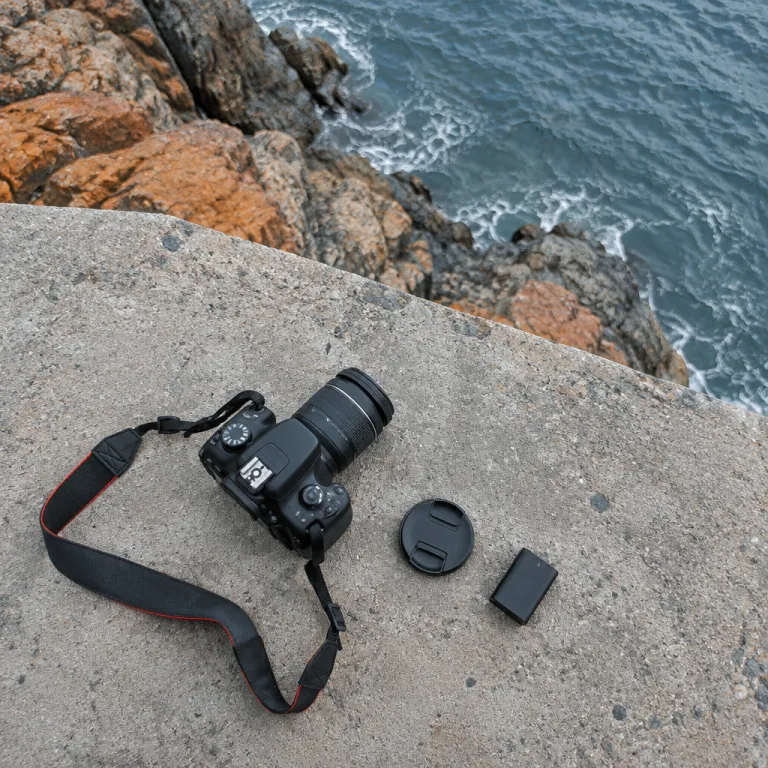
Understanding what makes a DSLR suitable for beginners
What Makes a DSLR Friendly for Beginners?
When searching for the best camera for beginners, it’s easy to get overwhelmed by the range of dslr cameras available. Not every digital camera is created equal, especially when it comes to learning photography. A beginner dslr should help you grow your skills without feeling complicated or intimidating. Here’s what sets a good entry-level dslr apart:
- Simple controls and menus: The best beginner dslr cameras feature intuitive buttons and easy-to-navigate menus. This allows camera beginners to focus on capturing great images instead of getting lost in technical settings.
- Guided modes: Many cameras, like the Canon EOS Rebel series or entry-level Nikon models, offer built-in guides or help screens. These are especially helpful for those new to photography, making it easier to understand how different settings affect image quality.
- Lightweight body: A compact and lightweight camera body is less intimidating and more comfortable for long shoots. This is important for beginners who may not be used to carrying heavy gear.
- Interchangeable lens mount: One of the main reasons to choose a dslr over a compact or mirrorless camera is the ability to swap lenses. This flexibility lets you experiment with different styles as your skills develop.
- Reliable autofocus and sensor: Look for a camera with a responsive autofocus system and a good aps sensor or full frame sensor. These features help ensure sharp, high-quality images, even as you learn.
Entry-level dslr cameras from brands like Canon and Nikon are designed with beginners in mind. For example, the Canon EOS Rebel series and Nikon D3500 are often recommended for their user-friendly design and great image quality. These models also offer decent battery life and continuous shooting modes, which are useful as you practice different photography techniques.
It’s also important to consider what you want to photograph. If you’re interested in landscapes, portraits, or even action shots, make sure the camera you choose can handle those needs. Review specifications and expert review articles to compare models and see which features matter most for your goals.
For a deeper dive into how digital camera technology has evolved and what it means for beginners, check out this expert exploration of digital camera technology. Understanding the basics will help you make a confident choice as you move forward in your photography journey.
Key features to look for in the best novice DSLR
Understanding the Features That Matter Most
When searching for the best camera for beginners, it’s easy to get overwhelmed by technical jargon and marketing claims. However, focusing on a few essential features can help you find a beginner DSLR that’s both user-friendly and capable of producing great image quality. Here’s what to look for:
- Sensor Size: Most entry-level DSLR cameras use an APS-C sensor, which strikes a good balance between image quality and affordability. While full frame sensors offer superior performance, they’re often found in more advanced models and come at a higher price point. APS-C sensors are more than enough for most photography beginners.
- Megapixels: Don’t get caught up in the megapixel race. For most beginners, anything between 18 and 24 megapixels is more than sufficient for high-quality prints and online sharing.
- Lens Compatibility: The lens mount determines which lenses you can use. Canon EOS and Nikon DSLR cameras offer a wide range of affordable lenses, making it easier to experiment as your skills grow. Consider the future availability of lenses when choosing your first camera body.
- Ease of Use: Look for a camera with intuitive controls and a clear menu system. Some models offer helpful guide modes or touchscreen interfaces, which can make learning the basics of photography less intimidating.
- Autofocus System: A reliable autofocus system is crucial for capturing sharp images, especially if you’re interested in action or wildlife photography. Entry-level DSLRs like the Canon EOS Rebel series and Nikon D3500 offer good autofocus performance for beginners.
- Continuous Shooting Speed: If you plan to photograph sports or fast-moving subjects, check the camera’s frames per second (fps) rate. While not as fast as mirrorless models, many beginner DSLRs offer decent continuous shooting speeds.
- Battery Life: DSLR cameras generally have longer battery life than mirrorless cameras, which is a big plus for travel or long photography sessions.
- Build Quality: A lightweight yet sturdy body is ideal for camera beginners. Some entry-level models offer weather sealing, but most focus on portability and comfort.
- Connectivity: Features like Wi-Fi or Bluetooth make it easier to transfer images to your phone or computer for quick sharing.
Why These Features Matter for Beginners
Choosing a beginner DSLR with the right balance of features ensures you won’t outgrow your camera too quickly. It’s tempting to go for the cheapest option, but investing in a model with good image quality, a reliable autofocus system, and a wide lens selection will pay off as your photography skills develop. Remember, the best camera is the one that feels comfortable in your hands and inspires you to shoot more.
For those interested in exploring different photography styles, including travel photography, you might find this guide to top film cameras for travel photography helpful as you consider your options.
Next, we’ll compare some of the most popular entry-level DSLR models to help you make an informed choice.
Popular entry-level DSLR models compared
Comparing Top Entry-Level DSLR Cameras for Beginners
When searching for the best beginner DSLR, it’s easy to feel overwhelmed by the range of cameras available. To help you make an informed decision, here’s a comparison of some of the most popular entry-level models from trusted brands like Canon and Nikon. These cameras are designed with beginners in mind, offering a balance of user-friendly features, good image quality, and value for money.
| Model | Sensor Type | Megapixels | Continuous Shooting | Battery Life | Lens Mount | Reasons to Buy | Reasons to Avoid |
|---|---|---|---|---|---|---|---|
| Canon EOS Rebel T7 | APS-C | 24.1MP | 3 fps | ~500 shots | Canon EF/EF-S | Simple controls, reliable autofocus, affordable | No touchscreen, limited continuous shooting |
| Nikon D3500 | APS-C | 24.2MP | 5 fps | ~1550 shots | Nikon F | Excellent battery life, lightweight body, great image quality | No 4K video, fixed LCD screen |
| Canon EOS 250D (Rebel SL3) | APS-C | 24.1MP | 5 fps | ~1070 shots | Canon EF/EF-S | Articulating touchscreen, 4K video, compact design | 4K video crop, fewer focus points |
Each of these DSLR cameras offers a solid foundation for beginners. The Canon EOS Rebel T7 is a favorite for those who want a straightforward introduction to digital photography. The Nikon D3500 stands out for its battery life and easy-to-handle body, making it a good choice for travel or long days of shooting. The Canon EOS 250D (also known as Rebel SL3) is one of the smallest DSLRs available, with features like a fully articulating screen and 4K video, which can be appealing for those wanting a bit more flexibility.
- Sensor: All three models use an APS-C sensor, which is a great balance between image quality and affordability for camera beginners.
- Lens Compatibility: Both Canon and Nikon offer a wide range of lenses, so you can expand your photography skills as you grow.
- Image Quality: Expect crisp, detailed images from any of these cameras, especially in good lighting conditions.
While mirrorless cameras are gaining popularity, DSLRs like these remain a top choice for those who want a traditional photography experience with a clear optical viewfinder and robust battery life. If you’re curious about how to make your photos stand out, check out this guide to enhancing your digital photography for practical tips.
Before making your final choice, consider your priorities: Do you want the best battery life, a lightweight body, or advanced features like a touchscreen? Review specifications carefully and read expert reviews to find the best camera for your needs. Remember, the right beginner DSLR will help you build confidence and enjoy your photography journey from the start.
Common mistakes beginners make when choosing a DSLR
Overlooking Sensor Size and Image Quality
Many camera beginners focus only on the number of megapixels, but the sensor size is just as important. For example, an APS-C sensor in a beginner DSLR like the Canon EOS Rebel or Nikon D3500 will generally deliver better image quality than a smaller sensor found in some compact cameras. A larger sensor captures more light, resulting in clearer, more detailed photos, especially in low-light situations. Don’t buy a camera just because it has a high megapixel count—consider the sensor size for the best results.Ignoring Lens Compatibility and Mount Options
A common mistake is not checking the lens mount system. Different brands use different mounts, such as Canon’s EF or Nikon’s F mount. Make sure the camera body you choose is compatible with a wide range of lenses, so you can expand your photography skills over time. Some beginner DSLRs come bundled with a basic kit lens, but investing in additional lenses can greatly improve your creative options.Underestimating the Importance of Battery Life
Battery life is often overlooked by beginners. Entry-level DSLR cameras usually offer good battery performance, but it’s wise to review specifications before making a decision. If you plan to shoot for long periods or travel, a camera with a longer battery life will be a great asset.Focusing Only on Brand Names
While brands like Canon and Nikon are popular for good reasons, don’t buy a camera solely based on the brand. Review expert reviews and compare features, image quality, and usability. Sometimes, a lesser-known model can offer better value for beginners.Neglecting Ergonomics and Handling
A camera may look great on paper, but if it doesn’t feel comfortable in your hands, you might not enjoy using it. Visit a store if possible to handle different models. Pay attention to button layout, grip, and weight. A good fit will make learning photography more enjoyable and productive.Overlooking Continuous Shooting and Autofocus
Continuous shooting speed and autofocus performance are important, especially if you want to capture action or moving subjects. Some beginner DSLRs offer impressive continuous shooting rates and reliable autofocus systems. These features can make a big difference in your photography experience.- Don’t buy based only on price—consider long-term needs and upgrade paths.
- Check for features like built-in Wi-Fi or Bluetooth for easy image sharing.
- Read expert reviews to understand real-world performance, not just specifications.
By avoiding these common mistakes, you’ll be more likely to choose the best camera for your needs and enjoy a smoother start in digital photography. Remember, the right beginner DSLR is the one that fits your style, budget, and future growth as a photographer.
Essential accessories for your first DSLR
Must-Have Gear for Your First DSLR
Once you’ve chosen the best camera for beginners, it’s important to consider the essential accessories that will help you get the most out of your new digital camera. The right gear can make a big difference in your photography experience, image quality, and even the lifespan of your equipment. Here’s a look at what you should consider adding to your kit.
- Extra Batteries and Charger: DSLR cameras, whether Canon EOS, Nikon, or other brands, can drain batteries quickly, especially when using features like continuous shooting or live view. Having a spare battery ensures you won’t miss a shot due to low battery life.
- Memory Cards: High-capacity and fast memory cards are crucial for storing large image files, especially if you shoot in RAW for the best image quality. Look for cards with good write speeds to handle burst modes and video.
- Camera Bag: Protecting your camera body, lens, and accessories is essential. A padded camera bag designed for DSLRs will keep your gear safe and organized, whether you’re using a full frame or APS sensor camera.
- Lens Cleaning Kit: Dust and smudges on your lens or sensor can ruin your photos. A basic cleaning kit with a blower, microfiber cloth, and cleaning solution is a must for all camera beginners.
- Tripod: For low-light photography, landscapes, or self-portraits, a sturdy tripod helps keep your camera steady and improves image sharpness. Look for one that supports your DSLR’s weight and is easy to carry.
- UV or Clear Filter: Adding a filter to your lens can protect the glass from scratches and dust. It’s a simple way to safeguard your investment in lenses, especially if you’re using interchangeable lens mounts.
- Remote Shutter Release: This accessory is great for reducing camera shake during long exposures or group shots. Many beginner DSLRs support wired or wireless remotes.
Accessories That Enhance Your Learning
- Instructional Books or Online Courses: While your camera’s manual is helpful, dedicated photography guides or online tutorials can help you master your DSLR’s features and improve your skills faster.
- Spare Lens: Many beginners start with a kit lens, but exploring other options, like a prime lens or a telephoto, can open up new creative possibilities and help you understand the strengths of different focal lengths.
Investing in these accessories will help you get the best results from your beginner DSLR, whether you’ve chosen a Canon EOS Rebel, Nikon D3500, or another entry-level model. Remember, the right tools can make your photography journey smoother and more enjoyable, allowing you to focus on capturing great images and learning the craft.
Tips for getting started with your new DSLR
Start with the Basics of Your DSLR
Before diving into advanced photography, take time to get familiar with your camera body, lens, and controls. Read the manual to understand the key features and settings, such as aperture, shutter speed, and ISO. This will help you make the most of your beginner DSLR, whether you’ve chosen a Canon EOS, Nikon, or another brand.
Practice with Different Modes
Most entry-level DSLR cameras offer various shooting modes. Start with Auto or Scene modes to get comfortable, then gradually experiment with Aperture Priority (A/Av) and Shutter Priority (S/Tv). These modes let you control depth of field and motion blur, improving your image quality as you learn.
Understand Your Sensor and Lenses
Knowing whether your camera uses an APS sensor or full frame sensor is important for lens selection and image results. APS sensor cameras, common among beginners, offer a good balance of image quality and affordability. Try different lenses to see how focal length and aperture affect your photos. A kit lens is a great starting point, but exploring prime or zoom lenses can open up creative possibilities.
Keep Your Gear Ready
- Charge your battery fully before heading out. Battery life varies between models, so carry a spare if possible.
- Clean your lens and sensor regularly to avoid dust spots in your images.
- Use a memory card with enough capacity for continuous shooting, especially if you plan to shoot in RAW for the best image quality.
Experiment and Review Your Results
Take lots of photos in different lighting conditions and settings. Review your images on a computer to check sharpness, exposure, and composition. Many beginners find it helpful to compare their shots with expert review examples or specifications from camera review sites. This helps you understand what makes a good photo and how your camera performs.
Join Photography Communities
Engage with other camera beginners online or in local groups. Sharing your photos and asking for feedback can accelerate your learning. Many communities discuss the best camera settings, lens mount options, and reasons to buy or avoid certain models. This peer support is invaluable for beginners.
Keep Learning and Stay Inspired
Photography is a journey. As you gain confidence with your DSLR, try new genres like portrait, landscape, or action photography. Explore your camera’s features, such as continuous shooting or manual focus, to expand your skills. Remember, even the best cameras require practice and patience to master.