Understanding Heart Rate Monitoring
Decoding the Basics of Heart Rate Monitoring
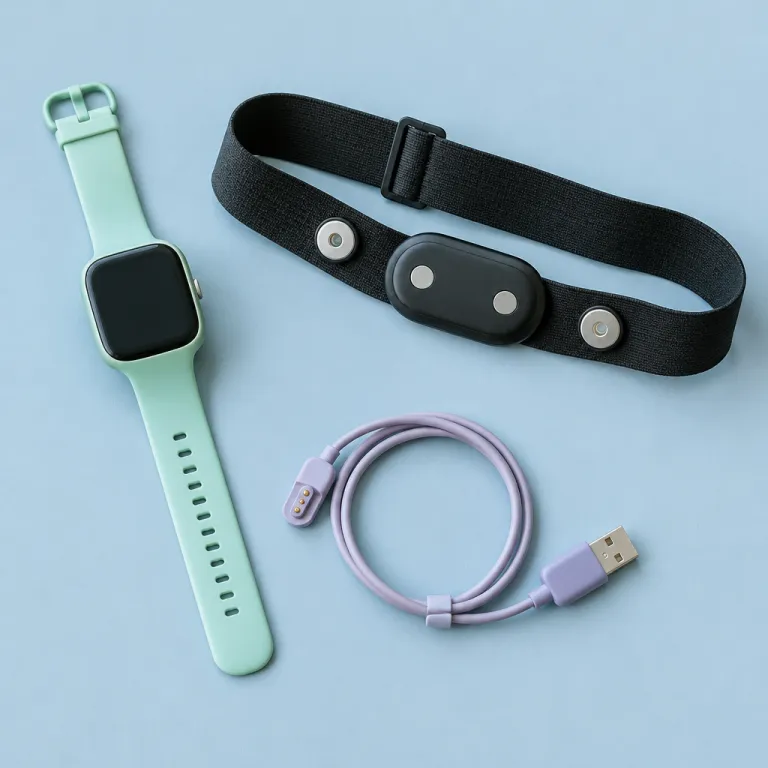
Tracking heart rate, an essential indicator of cardiovascular health, is a fundamental feature sought in fitness monitors. Heart rate monitoring provides crucial data that helps users understand their body's response to various exercise intensities. This information is pivotal in optimizing training and recovering effectively. Understanding the nuances of heart monitoring devices can empower you to make informed choices about your fitness journey. These devices utilize various technologies like optical sensors and electrodes to track heart rate. For example, chest straps, such as the Garmin HRM series, provide accurate data by capturing electrical signals from the heart. Meanwhile, wrist-based fitness trackers offer the convenience of tracking without the need for a strap, although they may have slight accuracy limitations compared to chest monitors.The Benefits
- Real-Time Data: Fitness trackers with heart rate monitors provide instantaneous heart rate data, allowing you to adjust your workouts on the fly for maximum efficiency.
- Rate Variability Monitoring: Advanced monitors like the Polar Heart series track heart rate variability, providing insights into stress levels and recovery.
- Training Precision: Devices like Garmin HRM Pro use Bluetooth or ANT+ technology, ensuring seamless data transmission to fitness apps and enabling precise training adjustments.
Key Features of a Good Heart Monitor
Key Characteristics to Look for in Heart Rate Monitors
When it comes to choosing a heart rate monitor, several crucial features can influence your decision to ensure it suits your fitness needs. A primary consideration is the type of monitor itself: wrist-based or chest strap. Wrist-based monitors are often favored for their convenience; they function like regular watches, offering ease of use and real-time rate data during exercise. However, for those seeking high accuracy and consistency, a chest strap might be a better option. Chest straps, such as the Polar Heart or Garmin HRM, are known for providing precise heart rate data thanks to their strategic positioning and direct contact with the skin. In addition to the monitor type, consider these features:- Battery Life: You'll want a device that doesn't require constant recharging. Multi-day battery life is common in the best fitness trackers.
- Bluetooth Connectivity: This allows for seamless integration with various fitness apps, ensuring your data is synced and stored securely for analysis.
- Water Resistance: Essential for those planning to use the device in all weather conditions or during swimming sessions.
- Data Tracking Capabilities: High-quality heart rate monitors offer advanced metrics like rate variability, which can be crucial for tailored training goals.
- Comfort and Fit: For chest straps, the fit is crucial - they need to be snug but comfortable for long training sessions.
Comparing Popular Fitness Trackers
Overview of Fitness Tracker Options
As you embark on your fitness journey, selecting the ideal fitness tracker with a reliable heart rate monitor is essential. Among the broad array of options in the market, some stand out due to their remarkable features and proven performance. These devices often combine rate data tracking with other fitness capabilities, providing invaluable support for a range of health goals.
Popular and Reliable Models
First up, let’s talk about wrist-based fitness trackers. These devices are incredibly convenient, featuring optical sensors that monitor your heart rate in real time. Models like the Garmin HRM Pro and Polar Heart watches have gained popularity for their accurate readings and comfortable design. Bluetooth and ANT+ compatibility make syncing your data with apps seamless.
For those seeking the best heart rate data accuracy during intense workouts, chest straps are often recommended. The Polar Heart and Garmin HRM chest straps offer superior accuracy compared to their wrist-based counterparts, especially during activities with a lot of wrist motion.
Key Considerations for Selection
When comparing these fitness trackers, pay attention to factors like battery life. While chest straps commonly boast longer battery life, many users favor wrist-based options for their ease of use and additional features, such as health data tracking and notifications.
- Data Accuracy: Chest straps generally offer more precise tracking compared to wrist-based monitors.
- Connectivity: Look for Bluetooth and ANT+ capabilities for seamless data transfers.
- Durability and Battery Life: Consider devices made for prolonged use and extended battery life.
Integration with Fitness Apps
Beyond hardware, successful integration with fitness apps can significantly enrich your experience. To explore how these integrations work and which apps enhance your workout metrics, visit our detailed guide on enhancing workouts with a fitness tracker app.
Ultimately, the best choice depends on your specific fitness goals and personal preferences. Remember to weigh these factors carefully to ensure that you’re making an informed decision.
Integrating Heart Monitors with Fitness Apps
Enhancing Your Training Experience with Seamless Synchronization
Integrating heart monitors with fitness apps can elevate your training by providing detailed insights into your health metrics in real time. Whether you opt for a chest strap like the Garmin HRM or a wrist-based device, ensuring compatibility with your preferred fitness application is key to unlocking a truly tailored fitness experience. Fitness trackers like the Polar heart rate monitors offer seamless connectivity through Bluetooth, enabling you to sync your rate data efficiently. This means your heart rate, including rate variability, can be accurately tracked and analyzed, providing a comprehensive picture of your performance. Incorporate bluetooth ant and real time data transfer functionalities to enjoy uninterrupted access to your metrics. This allows you to set specific training goals and monitor your progress with precision. Battery life is another critical feature, especially during extended workouts. High-quality heart monitors promise extended battery life, allowing you to push through longer training sessions without interruptions. When it comes to chest straps, pairing devices with dedicated apps can help fine-tune your approach to fitness. These tools often incorporate health metrics beyond heart rate, offering broader insights, including recovery data—a feature vital for long-term training success. By understanding how integration works and selecting compatible devices, you can enhance your fitness journey and extract maximum benefit from your heart rate monitor while keeping a close eye on your core health parameters.Addressing Common Concerns and Misconceptions
Demystifying Heart Rate Monitoring Myths
When considering the best heart rate monitors, some common concerns and misconceptions might arise. Understanding these can help you make an informed choice for your health and training goals.- Accuracy of Chest Straps vs. Wrist-Based Devices: While wrist-based fitness trackers offer convenience due to their design, chest straps are renowned for their superior accuracy in measuring heart rate. Devices like the Garmin HRM with chest straps provide precise heart rate data, essential for advanced training sessions.
- The Role of Heart Rate Variability: Heart rate variability (HRV) provides insights into your physical condition and stress levels. Advanced rate monitors, such as Polar heart monitors, track HRV to offer a deeper understanding of your overall health and recovery needs.
- Battery Life Concerns: Many worry about the battery life of heart rate monitors and fitness trackers. It's worth noting that different devices come with varying battery lives. For instance, certain Garmin and Polar models provide extended battery efficiency to match your training demands.
- Integration with Bluetooth and ANT+: Modern rate monitors often include compatibility with both Bluetooth and ANT+, ensuring seamless data synchronization with various smartphones and gym equipment for real-time insights into your workout.
- The Necessity of Additional Features: While high-end models offer extensive features, it's crucial to choose a device based on your individual training needs. Pricey gadgets are not always the best heart choice for everyone, particularly if you don’t engage in advanced training regularly.
Making an Informed Purchase Decision
Factors to Consider when Choosing Your Heart Rate Monitor
When it comes to making a choice for the best heart monitor that suits your fitness needs, there are several factors to take into account. The market offers a plethora of devices, each boasting unique features. Here are some key considerations:
- Type of Monitor: Whether you prefer a chest strap or a wrist-based device is crucial. Chest straps, like the Garmin HRM or Polar heart rate monitors, generally offer more accurate heart rate data as they measure electrical activity. Wrist-based fitness trackers are more convenient but may slightly lag in accuracy.
- Battery Life: This is essential for uninterrupted training sessions. Devices like the Garmin HRM or HRM Pro offer excellent battery life, ensuring your monitor lasts throughout your workout day.
- Connectivity: Look for monitors with Bluetooth and ANT+ compatibility. These features are vital for seamless integration with various fitness apps, allowing for real-time data tracking.
- Durability and Comfort: Consider the material and design of the strap or watch. A comfortable chest strap or wristband matters for long training sessions.
- Additional Features: Advanced heart monitors offer features like heart rate variability assessment and training load insights. Determine what data is most beneficial for your fitness goals.
Determining the Best Fit for Your Fitness Regimen
Balancing the features that align with your specific needs is essential. Many fitness enthusiasts find that purchasing a monitor with not just accurate readings, but also with comprehensive health and fitness data tracking capabilities, enhances overall training and insight into health metrics. Remember to review best practices and recommendations from credible sources in the health and fitness community.
The journey to selecting the right rate monitor requires weighing the pros and cons of each device, understanding the key features, and ensuring it integrates well with your existing fitness apps and regimens. By doing so, you can optimize your training, monitor your health effectively, and make a well-informed purchase decision.