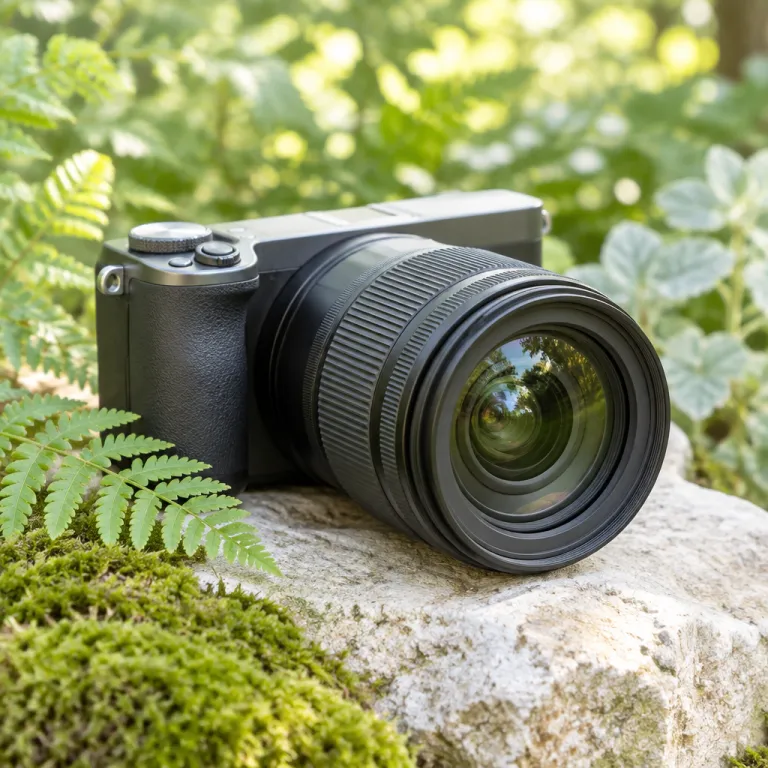
Understanding the sigma 18 50mm f 2 8 ex dc lens
Key Features and Compatibility
The Sigma 18-50mm f/2.8 EX DC lens is a popular choice among photographers looking for a versatile zoom lens that covers a useful focal length range. Designed for APS-C sensor cameras, this lens offers an effective focal length of approximately 27-75mm on most camera bodies, making it suitable for a wide variety of shooting scenarios. The constant f/2.8 aperture provides consistent exposure and allows for creative control over depth of field, even in challenging lighting conditions. This speed lens is especially valued for its ability to maintain fast shutter speeds and lower ISO settings, which can help preserve image quality.
Compatibility is a major strength of the Sigma 18-50mm f/2.8 EX DC. It is available in several mounts, including Canon mount, Sony mount, and even options for Fujifilm mount. This makes it a flexible choice for users of different camera systems, whether you shoot with a camera Sony, a Canon DSLR, or a Fujifilm body. The lens features Sigma’s HSM (Hyper Sonic Motor) technology for fast and quiet auto focus, which is essential for both still photography and video work. The minimum focusing distance is around 28cm, allowing for close-up shots with a maximum magnification that’s impressive for a standard zoom lens.
Technical Specifications at a Glance
- Focal length: 18-50mm (APS-C format)
- Maximum aperture: f/2.8 throughout the zoom range
- Mount options: Canon, Sony, Fujifilm, and others
- Auto focus: HSM motor for quick and silent focusing
- Minimum focusing distance: 28cm
- Maximum magnification: 1:5.3 (approximate)
- Build: EX series quality, robust construction
Photographers often appreciate the balance between performance and price that this lens offers. While not a full frame lens, its optical design is optimized for APS-C sensors, delivering strong MTF (Modulation Transfer Function) results for sharpness and contrast. The lens number and number ISO settings you choose will depend on your camera and shooting environment, but the wide aperture helps keep ISO values lower, which is beneficial for image quality.
For those interested in connecting their digital camera to external displays or broadcast systems, understanding how to use an HDMI RF modulator with your digital camera can be a valuable skill, especially when showcasing images captured with lenses like the Sigma 18-50mm f/2.8 EX DC.
In the next sections, we’ll look at how this lens performs in real-world use, its suitability for different photography styles, and how it compares to other lenses in the same category.
Image quality and performance in real-world use
Sharpness, Contrast, and Color Reproduction
The Sigma 18-50mm f/2.8 EX DC lens is widely recognized for delivering impressive image quality, especially considering its price point. Photographers often notice sharp results across the zoom range, with the best performance typically found between f/4 and f/8. At the widest aperture, f/2.8, the center sharpness remains strong, though edges may show slight softness, which is common for zoom lenses in this category. Color reproduction is natural and vibrant, and contrast levels are generally pleasing, helping images pop straight out of the camera.
Low Light Performance and Speed
Thanks to its constant f/2.8 aperture, this Sigma lens excels in low light conditions. The wide aperture allows more light to hit the sensor, enabling lower ISO settings and faster shutter speeds. This is particularly useful for indoor photography or evening shoots, where maintaining image quality is crucial. The lens' speed also helps when capturing moving subjects, reducing motion blur and allowing for creative depth-of-field effects.
Autofocus and Handling on Different Mounts
Autofocus performance is responsive and generally accurate, aided by Sigma’s Hyper Sonic Motor (HSM) technology in compatible versions. Whether mounted on a Canon, Sony, or Fujifilm camera, users report quick and quiet focusing, making it suitable for both stills and video. The minimum focusing distance is around 28 cm, which enables close-up shots with a maximum magnification ratio that’s practical for detail-oriented work. This versatility is appreciated by photographers who need a reliable zoom lens for a variety of situations.
MTF Charts and Real-World Review Insights
MTF (Modulation Transfer Function) charts for the Sigma 18-50mm f/2.8 EX DC indicate solid resolution performance, especially in the center of the frame. While some softness can appear at the edges, particularly at the widest focal length, stopping down the aperture improves overall sharpness. Real-world reviews often highlight the lens’ ability to maintain good image quality throughout its focal length range, making it a dependable choice for everyday photography.
Comparing to Specialized Lenses
While the Sigma 18-50mm f/2.8 EX DC offers strong all-around performance, it’s worth noting that specialized lenses, such as fisheye or prime lenses, may outperform it in certain scenarios. For example, those interested in unique perspectives might explore options like the Canon EF fisheye lens for creative distortion effects. However, for most general photography needs, the Sigma’s balance of image quality, speed, and flexibility is hard to beat in its class.
- Focal length range: 18-50mm (ideal for landscapes, portraits, and everyday use)
- Constant aperture: f/2.8 for consistent exposure and creative control
- Mount options: Available for Canon, Sony, and Fujifilm cameras
- Auto focus: Fast and quiet, suitable for various photography styles
- Price: Competitive compared to similar zoom lenses
Versatility for various photography styles
Adapting to Different Photography Genres
The Sigma 18 50mm f 2.8 EX DC lens stands out for its ability to adapt across a wide range of photography styles. Its focal length range covers everything from wide-angle scenes to short telephoto, making it a practical zoom lens for photographers who want flexibility without constantly changing lenses. Whether you are capturing landscapes, portraits, street scenes, or even close-up details, this lens delivers reliable performance and consistent image quality.
Flexibility for Everyday Shooting
With a constant f 2.8 aperture, the Sigma lens excels in low-light conditions, allowing you to use lower ISO settings and faster shutter speeds. This is especially valuable for indoor photography or evening shoots, where maintaining image quality is crucial. The minimum focusing distance is also impressive, letting you get closer to your subject for creative compositions and maximum magnification. This versatility benefits both beginners and experienced photographers using camera bodies from brands like Canon, Sony, and Fujifilm, thanks to the availability of different mounts.
- Street Photography: The compact size and fast auto focus make it easy to react quickly to fleeting moments.
- Portraits: At 50mm, you get flattering perspective and beautiful background separation, especially at f 2.8.
- Travel: The zoom range covers most travel scenarios, reducing the need to carry multiple lenses.
- Event Coverage: The lens’s speed and reliable focusing distance help capture sharp images in dynamic environments.
Practical Considerations for Versatile Use
Photographers appreciate the Sigma 18 50mm f 2.8 EX DC for its balance of price, performance, and portability. The lens number and mount options make it compatible with a variety of camera systems, including camera Sony, mount Canon, and mount Fujifilm. Its HSM (Hyper Sonic Motor) ensures quick and quiet focusing, which is essential for both stills and video work. The MTF (Modulation Transfer Function) performance is competitive within its class, supporting sharpness across the frame at various focal lengths.
For those who often shoot handheld, pairing this lens with a stable tripod can further enhance sharpness and creative possibilities. If you’re interested in exploring the benefits of a high-quality tripod, check out this in-depth tripod review for additional insights.
Build quality and handling experience
Handling and Ergonomics in Daily Use
The Sigma 18-50mm f/2.8 EX DC lens stands out for its solid build quality, which is immediately noticeable when mounted on a camera body. Whether you use a Canon mount, Sony mount, or Fujifilm mount, the lens feels well-balanced, making it comfortable for extended shooting sessions. The zoom ring and focus ring offer a smooth, tactile response, allowing photographers to make precise adjustments to focal length and focus without any unwanted play or stiffness.
Build Materials and Durability
This lens is constructed with a combination of high-quality plastics and metal components, giving it a robust feel while keeping the weight manageable. The mount is metal, which adds durability, especially for those who frequently change lenses. The lens hood included in the package helps protect the front element and reduces flare, which is essential for maintaining image quality in challenging lighting conditions.
Autofocus and Manual Focus Experience
With its Hyper Sonic Motor (HSM), the Sigma 18-50mm f/2.8 EX DC delivers fast and quiet autofocus performance. This is particularly useful for photographers capturing candid moments or working in environments where silence is important. Manual focus is also intuitive, with a well-damped focus ring that allows for fine-tuning, especially at the minimum focusing distance. This feature is appreciated by those who enjoy close-up photography or need precise control over focus points.
Portability and Everyday Practicality
Weighing less than many full frame zoom lenses, this Sigma lens is an excellent choice for travel and street photography. Its compact size means it won’t weigh down your camera bag, whether you’re using a camera Sony, Canon, or Fujifilm. The constant f/2.8 aperture across the zoom range provides flexibility in low-light situations, allowing for lower ISO settings and faster shutter speeds, which helps preserve image quality and minimize noise.
- Mount compatibility: Available for Canon, Sony, and Fujifilm mounts, making it versatile for different camera systems.
- Maximum magnification: Useful for detail shots and creative compositions.
- Minimum focusing distance: Lets you get close to your subject, expanding your creative options.
Overall, the Sigma 18-50mm f/2.8 EX DC lens offers a reliable and enjoyable handling experience, blending solid construction with thoughtful design features that meet the needs of both amateur and professional photographers.
Comparing the sigma 18 50mm f 2 8 ex dc to similar lenses
How the Sigma 18-50mm f2.8 EX DC Stands Against Its Rivals
When comparing the Sigma 18-50mm f2.8 EX DC lens to other zoom lenses in the same category, several factors come into play: focal length, aperture speed, mount compatibility, and price. This lens is often considered by photographers who want a versatile, fast zoom for APS-C cameras from brands like Canon, Sony, and Fujifilm.| Lens | Focal Length | Max Aperture | Mounts | Auto Focus | Minimum Focusing Distance | Price Range |
|---|---|---|---|---|---|---|
| Sigma 18-50mm f2.8 EX DC | 18-50mm | f2.8 | Canon, Sony, Fujifilm | HSM | 28cm | Mid |
| Sigma 17-50mm f2.8 EX DC OS HSM | 17-50mm | f2.8 | Canon, Sony | HSM | 28cm | Mid |
| Tamron 17-50mm f2.8 XR Di II | 17-50mm | f2.8 | Canon, Sony | Micro Motor | 27cm | Low-Mid |
| Sony 16-50mm f2.8 SSM | 16-50mm | f2.8 | Sony | SSM | 30cm | High |
- Focal Length and Versatility: The 18-50mm range covers wide to short telephoto, making it suitable for landscapes, portraits, and street photography. Compared to the Tamron and Sony alternatives, the Sigma offers a slightly narrower wide end but remains highly practical for most uses.
- Speed and Aperture: The constant f2.8 aperture is a major advantage for low-light shooting and creative depth of field. This matches the performance of other fast zooms in its class.
- Mount Compatibility: Sigma provides versions for Canon mount, Sony mount, and Fujifilm mount, giving flexibility for users across camera brands. The Tamron and Sony lenses are more limited in mount options.
- Auto Focus and Performance: The HSM (Hyper Sonic Motor) in the Sigma ensures quick and quiet focusing, which is especially useful for event and street photographers. In real-world review scenarios, the Sigma’s focusing speed and accuracy are on par with or better than many competitors.
- Build and Handling: While not as rugged as some full frame pro lenses, the Sigma 18-50mm f2.8 EX DC offers solid build quality for its price. The zoom and focus rings are smooth, and the lens feels balanced on most APS-C bodies.
- Image Quality and MTF: MTF (Modulation Transfer Function) charts and user reviews consistently show sharpness in the center, with some softness at the edges wide open. This is typical for zoom lenses in this price range, but the Sigma holds its own against the Tamron and Sony options.
- Price and Value: The Sigma is competitively priced, often undercutting the Sony 16-50mm f2.8 SSM while delivering similar performance. For photographers on a budget, the Sigma offers excellent value without major compromises.
Tips for getting the most out of your sigma 18 50mm f 2 8 ex dc
Optimize Your Camera Settings for Best Results
To get the most out of your Sigma 18-50mm f2.8 EX DC lens, start by understanding how your camera settings interact with the lens’s capabilities. Adjust your ISO focal and shutter speed to match the lighting conditions and your subject’s movement. For example, in low light, increasing the ISO number can help maintain a fast enough shutter speed to avoid blur, but be mindful of potential noise. The constant f2.8 aperture gives you flexibility, allowing for faster shutter speeds and more creative control over depth of field.
Master the Art of Focusing
This Sigma lens features fast and reliable auto focus, but knowing when to switch to manual focus can make a difference. For close-up shots, use the minimum focusing distance to capture fine details. The lens’s maximum magnification is useful for semi-macro photography, so experiment with focusing distance to see what works best for your subject. If you’re using a camera Sony or a Fujifilm mount, check your camera’s focus assist features to fine-tune sharpness.
Leverage the Zoom Range for Versatility
The 18-50mm focal length range covers wide angle to short telephoto, making it suitable for landscapes, portraits, and everyday scenes. Try shooting at different focal lengths to see how perspective and composition change. For group shots, use the wider end; for portraits, zoom in to 50mm for a flattering look. The speed lens design ensures consistent performance across the zoom range.
Adapt to Your Camera System
Whether you’re using a Canon mount, Sony mount, or Fujifilm mount, ensure your lens is properly attached and firmware is up to date for optimal compatibility. The HSM (Hyper Sonic Motor) in the Sigma contemporary series provides quiet and quick focusing, but performance can vary slightly depending on the camera body. Always check for the latest updates from Sigma for your specific mount.
Monitor Image Quality and Performance
Review your images at different focal lengths and apertures to assess sharpness and contrast. The lens’s MTF (Modulation Transfer Function) charts can give you an idea of expected performance, but real-world results may vary based on your camera and shooting style. If you notice softness or aberrations, try stopping down the aperture slightly for improved image quality.
Consider Practical Accessories
Using a lens hood can help reduce flare and protect the front element. A quality UV or clear filter adds another layer of protection without affecting image quality. For stable shots at slower shutter speeds, a tripod is a valuable addition, especially when shooting at the longer end of the zoom lens.
- Experiment with different ISO and shutter speed combinations for various lighting conditions
- Use the lens’s minimum focusing distance for creative close-ups
- Switch between auto focus and manual focus as needed
- Keep your lens firmware updated for best performance on your camera system
- Regularly clean your lens to maintain clarity and sharpness
By understanding your Sigma 18-50mm f2.8 EX DC lens’s strengths and adapting your shooting techniques, you can maximize its performance across a range of photography styles and camera systems, whether you’re using a Canon, Sony, or Fujifilm camera.