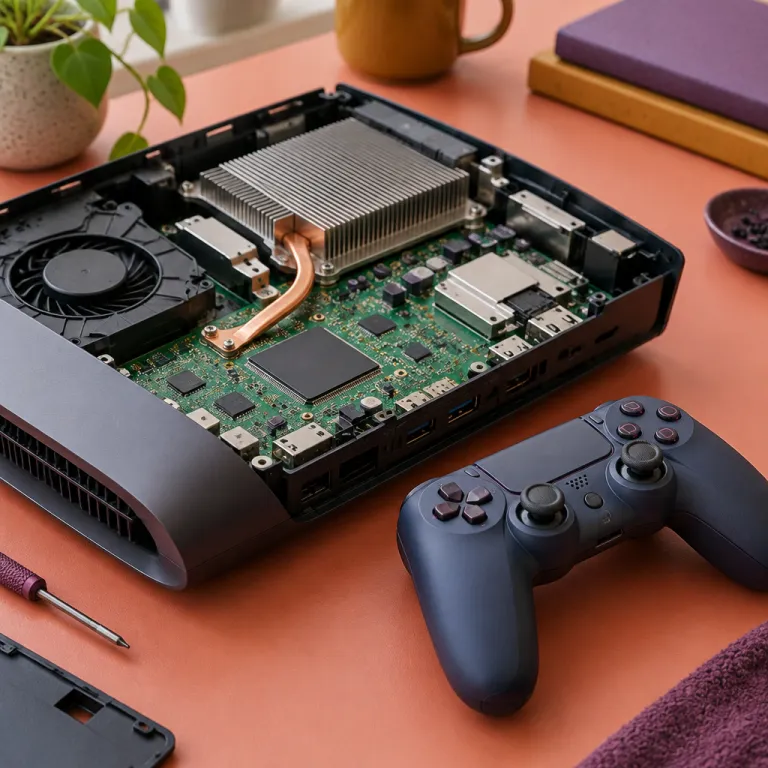
The Evolution of Gaming Consoles
Tracing the Roots of Gaming Consoles
The journey of gaming consoles has been a whirlwind of innovation and creativity, evolving significantly since their inception. Early systems like the Nintendo Entertainment System laid the foundational stones for the dynamic video game experiences we enjoy today. Companies such as Nintendo and Sega were pivotal, as their consoles introduced families to new forms of interactive entertainment right in their living rooms. With time, the gaming industry saw a shift towards more powerful systems capable of handling sophisticated graphics and mechanics. The transition from 8-bit to 16-bit consoles marked a notable leap, with systems like the Super Nintendo Entertainment System setting new standards for gameplay and visual fidelity. During this era, companies like Square Enix, known then as Square and Enix respectively before their merger, emerged as dominant forces in game development, creating iconic games that helped define console experiences. In the following years, gaming consoles continued to evolve with advancements in technology. The arrival of the disc-based PlayStation underscored a significant shift in media storage, allowing developers to create more complex and expansive games. This era heralded a surge in new game genres and storytelling approaches, thanks to improved graphics and expanded storage capabilities. The competition among game companies fueled rapid advancement. Notable names like Electronic Arts and Remedy Entertainment became synonymous with high-quality game development, constantly pushing the boundaries of what gaming consoles could achieve. Video game reviews during these times often highlighted how these innovative game companies were enhancing the gaming landscape. Gaming console development is a testament to the incredible technological progress and creative vision of the past decades. For an in-depth exploration of the unique transformations within gaming, including noteworthy titles like the Deadpool video game, this comprehensive resource provides further insights: A unique gaming experience.The Role of the Video Game Company in Shaping the Industry
The Influence of Leading Game Companies
In the vibrant realm of gaming consoles, the influence of leading video game companies is nothing short of monumental. Companies like Nintendo, renowned for its innovative approaches, have played a pivotal role in shaping the industry. This storied development trail can be traced back to the early days of the Game Boy, a landmark in portable gaming. Nintendo's commitment to revolutionizing interactive entertainment is evident in each console release, consistently shaping consumer expectations.
Japanese companies have been central to this industry, with Japan being home to some of the industry's titans. Square Enix, known for its highly acclaimed video games, has been influential in setting industry standards. Similarly, celebrated US-based companies such as Electronic Arts and Remedy Entertainment have set milestones in video game development, offering games that resonate with both casual and hardcore players alike.
Collaborations and Industry Benchmarks
Collaboration between video game developers and console manufacturers is a core component of the industry's success. Game designers and content game developers work closely with game companies to create immersive experiences that captivate audiences worldwide. This synergy not only advances production game quality but also pushes technological boundaries, yielding consoles more powerful and capable of rendering complex, lifelike environments.
For more insights into notable game contributions by these formidable companies that impact console evolution, consider reviewing our blog post on horror games for next-gen consoles.
Current Market Trends and Consumer Preferences
Market Shifts and Consumer Choices in the Gaming Industry
The gaming console industry has witnessed significant changes over the years, with game companies and developers like Nintendo, Square Enix, and Electronic Arts consistently pushing the boundaries of game development. The evolution of gaming consoles has been marked by technological progress and shifting consumer preferences. Today, the market is primarily driven by the demand for immersive and interactive entertainment experiences, which game developers strive to deliver through creative content and advanced technology.
Japan and the USA are two major regions influencing gaming preferences, housing industry giants contributing to shaping consumer trends. Japanese companies, known for early innovations such as the Game Boy, have historically set standards in both hardware and software development. Meanwhile, companies in the USA have made strides in creating a diverse range of video games that appeal to a broad spectrum of gamers.
Consumer preferences are shifting towards consoles that offer more than just gaming. Current trends indicate a demand for consoles with enhanced multimedia functionalities, supporting streaming services and high-definition video capabilities. Additionally, the focus is on cross-platform play and cloud-based gaming services, creating a seamless gaming experience across different devices. This has been highlighted in reviews and assessments from various game development entities, reflecting a move towards more inclusive gaming solutions.
Gaming companies are also becoming increasingly responsive to gamer feedback, improving their privacy policies and content moderation strategies to ensure a safer gaming environment. As technology advances, companies continue to explore opportunities in augmented and virtual reality, providing gamers with new dimensions of interactivity and engagement.
For those interested in understanding the advantages of subscription services and their impact on market dynamics, exploring the benefits of Playstation Plus can provide valuable insights into how companies are leveraging these models to meet consumer needs.
Technological Innovations Driving the Future of Gaming Consoles
Technological Advancements Bolstering Gaming Consoles
The gaming console industry has witnessed incredible technological breakthroughs over the years. These innovations continue to push the boundaries of what's possible, offering players more immersive and compelling experiences. Top technological advances driving the evolution of gaming consoles include:- Graphics and Processing Power: Modern gaming consoles are equipped with cutting-edge graphics capabilities that mimic lifelike environments, thanks to advanced GPUs. Developers like Square Enix and others in Japan and the USA are harnessing this power to deliver unparalleled visual experiences in video games.
- AI and Machine Learning: AI plays a crucial role in elevating game dynamics, enhancing character interactions, and adapting game difficulty. Early pioneers like Nintendo have contributed significantly to AI developments, setting the stage for more sophisticated AI in gaming consoles.
- Virtual and Augmented Reality: These technologies are set to revolutionize gaming consoles, providing players with the ability to engage with video games like never before. VR and AR continue to expand possibilities for interactive entertainment.
- Cloud Gaming: As internet infrastructure improves worldwide, cloud gaming is gaining traction. Companies such as Electronic Arts and Remedy Entertainment are exploring the potential of cloud-based games, promising seamless integration and experiences without relying heavily on console hardware.
- Improved Accessibility Features: Game companies are focusing on inclusivity, ensuring that video games are accessible to a broader audience. Features designed by game developers make it easier for individuals with different abilities to enjoy console games.
Challenges Facing the Gaming Console Industry
The Impact of Market Dynamics and Production Challenges
The gaming console industry, while thriving, is facing several challenges that could impact its future landscape. One significant issue revolves around market saturation. With major players like Nintendo, Sony, and Microsoft continually releasing new consoles, consumers are inundated with choices. This overcrowded market makes it challenging for smaller game companies and developers to compete effectively.Global Supply Chain Disruptions
Another pressing concern is the global supply chain disruption. The past few years have seen a significant impact on console production due to shortages in semiconductor components. These components are crucial for the manufacturing of modern consoles, and any delay or disruption in their supply can lead to production halts and, consequently, a scarcity in console availability. This not only affects the companies' bottom line but also frustrates consumers who are eager to get their hands on the latest technology.Navigating Intellectual Property and Privacy Concerns
Intellectual property rights and privacy policies also pose challenges. With interactive entertainment becoming more advanced, disputes over intellectual property rights between game companies, developers, and third-party creators have become more frequent. Moreover, as consoles become more connected and integrated with online features, ensuring the protection of user data is paramount. Companies must invest heavily in cybersecurity to safeguard sensitive information, meeting the evolving expectations for digital privacy.Environmental Impact and Sustainable Practices
Environmental concerns also present a significant challenge. As electronic waste becomes a global concern, video game companies like Nintendo and Square Enix are under pressure to develop more sustainable production practices. This may include designing consoles that are easier to recycle, using eco-friendly materials, and reducing energy consumption during both production and operation.The Battle for Content and Exclusive Titles
A critical aspect for console manufacturers is securing exclusive titles, as these can be decisive factors for consumers choosing one console over another. Video game reviews often highlight exclusive games as key advantages, and companies must balance their investments between hardware advancements and content development. Establishing strategic partnerships with game developers and securing timely releases, particularly in key markets such as Japan, USA, and Europe, remains an ongoing challenge. In conclusion, while the gaming console industry is poised for growth, companies must navigate these challenges effectively to maintain their competitive edge and meet consumer expectations.The Future of Gaming Consoles: Predictions and Possibilities
The Evolving Landscape of Gaming Consoles
As the gaming console landscape evolves, companies around the world, including those in Japan and the USA, are working tirelessly to anticipate and shape the future of gaming. Renowned for their moves in game development and console technologies, giants like Nintendo and Square Enix continue to push the boundaries.
Innovations and Consumer Expectations
The focus is not only on developing state-of-the-art consoles but also ensuring these consoles align with consumer expectations. With the rise of interactive entertainment, game companies are investing heavily in content creation, aiming for an immersive user experience. Developers are exploring various genres to captivate diverse audiences, while technology companies innovate with hardware to enhance performance and user engagement.
Potential Trajectories for Consoles
Technological advancements, like virtual reality integration and superior graphics capabilities, are expected to redefine how games are played. The trend towards seamless online connectivity is becoming essential. Game developers and art directors are frequently exploring new ways to combine storytelling with technology, offering players exceptional gameplay experiences.
Preparing for Future Challenges
As the gaming industry looks forward, challenges persist. Privacy policy adjustments in game networks and ensuring compatibility across various platforms are key concerns. Game companies must adapt to shifting consumer preferences and the ever-expanding capabilities of digital technologies.
The future of gaming consoles is a dynamic canvas, shaped by technological breakthroughs, creative developers, and influential game companies. It promises an era where the line between reality and gaming becomes increasingly blurred, elevating gaming to unprecedented heights.