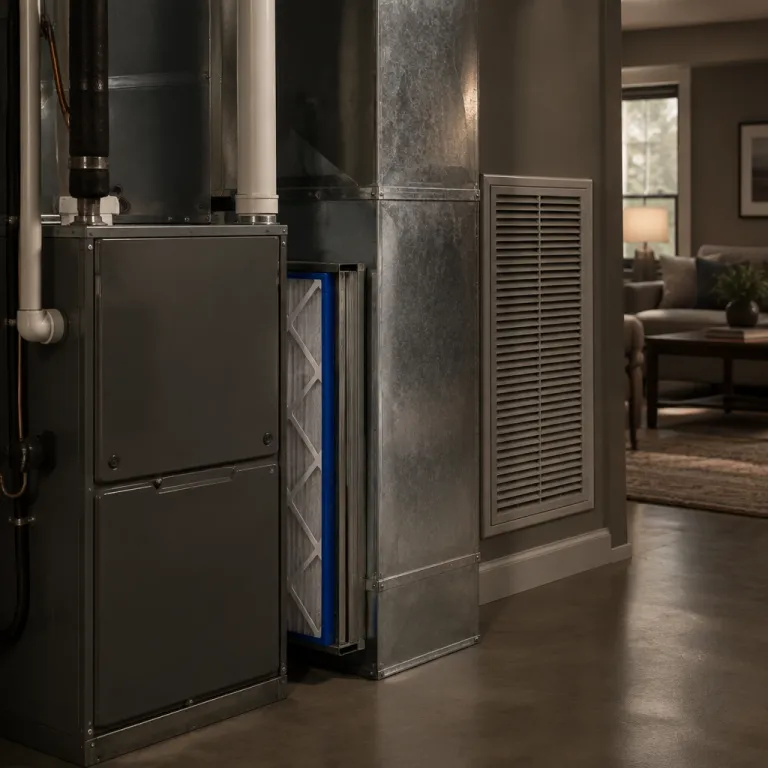
Understanding air purifier HVAC systems
What Makes an Air Purifier HVAC System Different?
When you hear about air purifiers, you might picture a portable air cleaner sitting in the corner of a room. However, air purification can also be integrated directly into your home's HVAC system. This approach allows the entire house air to be filtered, not just a single room. By connecting an air purifier to your central air system, you can improve indoor air quality throughout your living space, not just where a portable air purifier is placed.
How Does the System Work?
An HVAC air purifier works by pulling air through a series of filters as it circulates through your heating and cooling ducts. These filters are designed to capture particles like dust, pollen, pet dander, and even some bacteria and viruses. High-efficiency particulate air (HEPA) filters are often used for their ability to trap very small particles, while other systems might use electrostatic filters or activated carbon to target odors and gases. For a deeper look at how electrostatic filters improve your indoor air quality, you can check out this resource.
Why Consider Whole-House Air Cleaning?
Unlike portable air purifiers, which are limited by their clean air delivery rate (CADR) and the size of the room, an HVAC-based air cleaner can handle the entire house. This means every room benefits from cleaner air, as long as the system is running and properly maintained. The HVAC filter becomes a key player in your home's air purification strategy, working alongside other filters and purifiers to keep indoor air as clean as possible.
- Centralized filtration covers all living spaces
- Reduces the need for multiple portable air purifiers
- Works with existing HVAC infrastructure
Understanding how these systems function is the first step in choosing the right solution for your home. Next, it's important to look at the specific benefits, types of filters, installation needs, and maintenance tips to ensure your investment in air quality pays off.
Key benefits of using an air purifier with your HVAC
Why Integrating Air Purifiers with HVAC Systems Makes a Difference
When you connect an air purifier to your HVAC system, you are not just filtering the air in a single room. Instead, the entire house benefits from cleaner, healthier air. This approach goes beyond what portable air purifiers or standalone air cleaners can achieve. Here’s how it can improve indoor air quality and create a healthier living environment:
- Whole-House Air Cleaning: Central air purification systems work with your HVAC to clean air throughout your home, not just in one area. This means every room gets the benefit of improved air quality, reducing the spread of dust, allergens, and other particles.
- Consistent Air Quality: Because the HVAC system circulates air continuously, an integrated air purifier ensures that the air is filtered regularly. This helps maintain a steady level of clean air, unlike portable air purifiers that only affect a limited space.
- Better Particle Removal: High-quality HVAC filters, especially HEPA air filters, can capture very fine particles such as pollen, pet dander, and even some bacteria. This level of filtration is hard to achieve with standard HVAC filters alone.
- Improved Health and Comfort: Cleaner air means fewer allergens and irritants, which can help reduce symptoms for people with allergies or asthma. It also helps control odors and keeps your house feeling fresher.
- Energy Efficiency: When your HVAC filter or air cleaner is working efficiently, your system doesn’t have to work as hard to circulate air. This can help lower energy costs and extend the life of your HVAC system.
Understanding CADR and Air Purification Performance
Clean Air Delivery Rate (CADR) is an important measure of how effectively an air purifier or HVAC filter removes particles from the air. A higher CADR means faster and more efficient air cleaning. When choosing a system, look for filters and purifiers that match the size of your house or the rooms you want to clean. This ensures you get the best performance for your investment.
Comparing Central and Portable Air Purifiers
While portable air purifiers are useful for targeted air cleaning in specific rooms, they can’t match the coverage of a whole-house HVAC air purification system. Central air solutions provide consistent filtration and are less noticeable in your living space. However, portable air purifiers can be a good supplement in areas where you need extra air cleaning, like bedrooms or home offices.
Cost and Value Considerations
Installing an air purifier in your HVAC system may have a higher upfront cost than buying a portable air cleaner, but the long-term benefits often outweigh the initial investment. You get better air quality throughout your home, potentially lower energy bills, and less frequent need to replace filters in multiple devices.
For more tips on improving your indoor air quality at home, check out this guide on how Claritin Indoor can improve your air quality at home.
Types of air purifiers compatible with HVAC systems
Popular air cleaning technologies for HVAC integration
When considering ways to improve indoor air quality throughout your house, it’s important to know which types of air purifiers work best with your HVAC system. Not every air cleaner or filter is compatible with central air setups, so understanding your options helps you make a more informed choice.
- HEPA filters: High-Efficiency Particulate Air (HEPA) filters are well-known for their ability to trap fine particles, including dust, pollen, and pet dander. While true HEPA filters are highly effective, not all HVAC systems are designed to handle their dense filtration. Some systems can be upgraded to accommodate HEPA air filters, but it’s essential to check compatibility to avoid airflow issues.
- Media filters: These filters offer a larger surface area than standard HVAC filters, capturing more particles without significantly restricting airflow. Media filters are a practical choice for many homes looking to boost air cleaning performance without major system modifications.
- Electronic air cleaners: These purifiers use electrically charged plates or wires to attract and trap airborne particles. They can be installed within your HVAC system and are effective at removing smaller particles that standard filters might miss. However, they require regular cleaning to maintain efficiency.
- UV-C light systems: Ultraviolet (UV) air purifiers use UV-C light to neutralize bacteria, viruses, and mold spores as air passes through your HVAC system. While they don’t physically trap particles, they can complement other filters by targeting biological contaminants.
- Activated carbon filters: These filters are designed to absorb odors, gases, and volatile organic compounds (VOCs) from indoor air. They are often used in combination with particle filters for a more comprehensive air purification approach.
Comparing HVAC-integrated and portable air purifiers
While portable air purifiers are suitable for cleaning the air in a single room, HVAC-integrated solutions offer whole-house coverage. This means every room connected to your central air system benefits from cleaner air, not just one area. However, portable air cleaners can be a good supplement in spaces where extra filtration is needed, such as bedrooms or home offices.
| Type | Coverage | Best for | Maintenance |
|---|---|---|---|
| HVAC-integrated | Whole house | Consistent air quality throughout the home | Regular filter changes, system checks |
| Portable air purifiers | Single room | Targeted air cleaning | Frequent filter replacement, cleaning |
Understanding filter ratings and performance
When choosing an air purifier or filter for your HVAC system, pay attention to ratings like MERV (Minimum Efficiency Reporting Value) and CADR (Clean Air Delivery Rate). Higher MERV ratings mean better filtration of smaller particles, but not all HVAC systems can handle high-MERV filters without modifications. CADR measures how quickly a purifier can clean the air in a given space, which is more relevant for portable units but still useful for comparing performance.
For more details on how long different filters last and when to replace them, check out this guide on air purifier filter lifespan.
Choosing the right air cleaning solution for your HVAC system depends on your indoor air quality needs, your system’s capabilities, and your maintenance preferences. The right combination of filters and purifiers can make a noticeable difference in the air you breathe at home.
Installation considerations for air purifier HVAC solutions
What to Know Before Adding an Air Purifier to Your HVAC
Integrating an air purifier with your HVAC system can significantly improve indoor air quality, but there are important factors to consider before installation. The right setup ensures your system works efficiently and delivers cleaner air throughout your house.
Compatibility with Your Existing HVAC System
Not every air purifier is suitable for every HVAC system. Central air units and HVAC filters vary in size, airflow, and filtration needs. HEPA air filters, for example, are highly effective at trapping particles, but they may restrict airflow if your system isn’t designed for them. Always check your HVAC system’s specifications and consult with a professional to ensure the purifier and filters you choose are compatible.
Professional Installation vs. DIY
- Professional installation is recommended for most whole-house air cleaning solutions. Experts can assess your system, recommend the right purifier, and ensure proper sealing and placement for maximum air purification.
- DIY installation may be possible for some portable air cleaners or filter upgrades, but improper setup can reduce effectiveness and even damage your HVAC system.
Placement and Sizing for Effective Air Cleaning
The location and size of your air purifier matter. For central HVAC air purifiers, placement is usually near the return duct, allowing the system to filter all incoming air. The purifier’s Clean Air Delivery Rate (CADR) and filter type should match the size of your house and the volume of air your HVAC system handles. Undersized purifiers or filters may not capture enough particles, while oversized units can be unnecessarily costly.
Cost and Energy Considerations
- Initial cost: Whole-house air purifiers and HEPA filters can be more expensive than portable air cleaners, but they cover more room and improve indoor air quality throughout the house.
- Operating cost: Some purifiers increase energy use or require frequent filter changes. Check the manufacturer’s recommendations for filter replacement and energy consumption to estimate long-term costs.
Ensuring Proper Airflow and System Performance
Adding an air cleaner or high-efficiency filter can impact your HVAC system’s airflow. Reduced airflow may strain the system, leading to higher energy bills or reduced lifespan. It’s essential to use filters and purifiers designed for your HVAC system and to monitor performance after installation. Regular maintenance, as discussed in other sections, will help keep your air purification system running smoothly and your indoor air clean.
Maintenance tips for optimal performance
Keeping Your Air Purifier HVAC System Running Smoothly
Regular maintenance is essential for any air purifier integrated with an HVAC system. Without proper care, even the best air cleaners or HEPA filters can lose their effectiveness, leading to poor indoor air quality and higher costs in the long run.- Check and Replace Filters: The most important step is to inspect your HVAC filters and air purifier filters regularly. Most HEPA air filters need replacement every 6 to 12 months, but this can vary based on your house, the number of occupants, pets, and local air quality. Clogged filters reduce airflow and the system's ability to capture particles, so timely replacement is key.
- Monitor CADR and Airflow: Clean Air Delivery Rate (CADR) is a useful metric to gauge how efficiently your air cleaning system is working. If you notice a drop in CADR or airflow in your room or house, it may be time to clean or replace the filters or check for blockages in the HVAC system.
- Clean Surrounding Components: Dust and debris can accumulate not only in filters but also in ducts, vents, and the purifier housing. Wipe down accessible parts and consider professional duct cleaning as needed to keep the entire system clean and efficient.
- Inspect for Leaks and Seals: Ensure that the air purifier and HVAC system connections are airtight. Leaks can let unfiltered air bypass the system, reducing the effectiveness of your air cleaning efforts.
- Schedule Professional Service: Annual or biannual checkups by HVAC professionals can help catch issues early. They can assess the performance of your air cleaner, test indoor air quality, and recommend upgrades or repairs if needed.
Tips for Maximizing Air Purification
- Keep doors and windows closed when the system is running to prevent outdoor particles from entering your house.
- Vacuum and dust your home regularly to reduce the load on your air purifiers and HVAC filters.
- For homes with portable air purifiers, use them in rooms where you spend the most time for targeted air cleaning.
- Monitor filter change indicators if your system has them, or set reminders to check filters based on manufacturer recommendations.
Common misconceptions about air purifier HVAC systems
Separating Fact from Fiction in Air Purifier HVAC Systems
When it comes to air purifier HVAC systems, there are plenty of myths that can make it hard to know what really works for improving indoor air quality. Let’s clear up some of the most common misconceptions so you can make informed decisions for your house or business.
- Myth: All HVAC filters are the same as air purifiers.
Standard HVAC filters are designed mainly to protect the system, not to clean the air of fine particles. While they catch larger debris, they often miss smaller pollutants like allergens or smoke. For real air cleaning, specialized filters such as HEPA or electronic air cleaners are needed. - Myth: One air purifier can clean the air in the entire house.
Even with a central air system, the effectiveness of an air purifier depends on the system’s capacity, the CADR (Clean Air Delivery Rate), and the layout of your home. Larger homes or those with closed-off rooms may need additional portable air purifiers or upgrades to the HVAC filter to ensure consistent air quality throughout. - Myth: Air purifiers eliminate all indoor air problems.
While purifiers can significantly reduce particles, dust, and some odors, they may not address issues like excess humidity or volatile organic compounds (VOCs) unless equipped with the right filters. Air cleaning is just one part of a broader indoor air quality strategy. - Myth: Maintenance isn’t important for air purification.
Dirty filters or neglected systems can actually worsen air quality by circulating trapped particles back into the room. Regular maintenance, as discussed earlier, is essential for keeping your HVAC air purifier system working efficiently and keeping costs down over time. - Myth: HEPA filters slow down your HVAC system.
Modern HEPA air filters are designed to work with compatible HVAC systems without causing significant airflow issues. However, it’s important to check your system’s specifications and consult a professional before upgrading to ensure the filter matches your HVAC system’s capacity.
Understanding these facts helps you choose the right air cleaning solutions for your needs. Remember, combining the right filters, regular maintenance, and a system tailored to your space is the best way to improve indoor air quality and enjoy cleaner, healthier air throughout your home.