Why an HVAC air purifier with UV light changes whole house air
The best air purifier for HVAC system with UV light works differently from a portable unit. It treats the air that passes through the central HVAC system, improving indoor air in every room and every duct. This whole house approach can deliver cleaner healthier air for both a small flat and a large house.
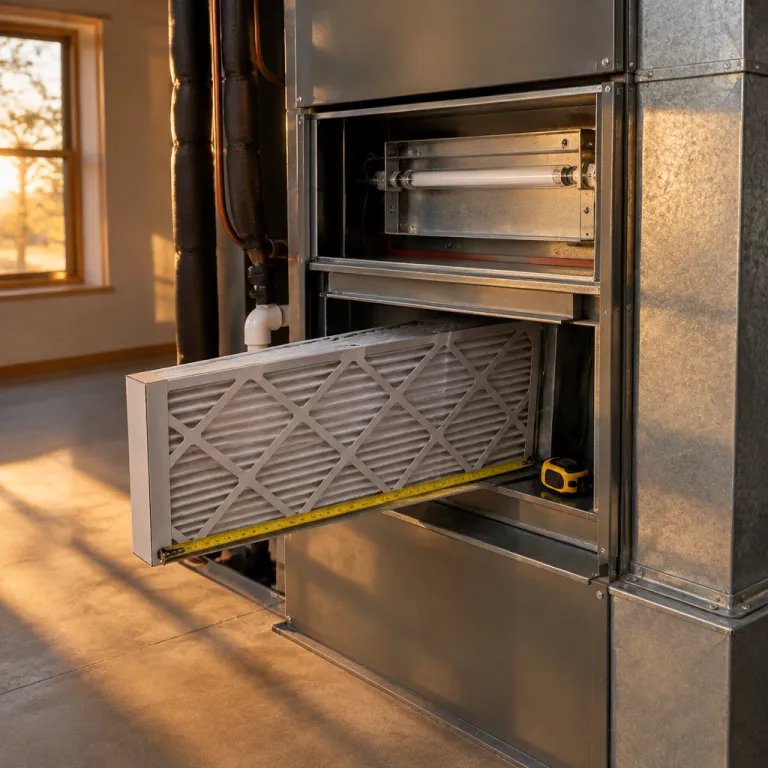
In a typical HVAC system, the blower moves air through an air filter, then through coils, then back into the house air. When you add an air purifier with a UV light or UVC light, the system can neutralize certain microbes while the filter captures dust and pet dander. This combination of mechanical air purification and germicidal UVC can significantly improve perceived air quality and overall air health.
Many people ask whether such purifiers are truly the best air option for allergies or asthma. The answer depends on the quality of the air filter, the MERV rating, the design of the UV light chamber, and the match between the purifier and the HVAC air flow. A well designed system with a high MERV filter and correctly shielded UVC light can reduce dust pollen, mold spores, and some airborne pathogens without harming materials in the duct.
However, no single air purifier or group of air purifiers can solve every problem in every house. You still need source control for smoke, moisture, and chemicals, plus regular filter replacement and HVAC system maintenance. When these elements work together, the price you pay for a central purifier can translate into better long term air health and a cleaner healthier living space.
Key technologies that define the best air purifier for HVAC systems
To evaluate the best air purifier for HVAC system with UV light, start with the filter. A high efficiency air filter with a MERV rating between 11 and 13 often balances airflow, dust control, and price for residential systems. Higher MERV systems can capture finer dust pollen and some mold spores, but they may require a stronger blower motor in the HVAC system.
Many whole house air purifiers combine a pleated air filter with activated carbon media. The activated carbon helps reduce odours and some gases, while the main filter traps dust and pet dander in the air. For people sensitive to indoor air pollution, this layered air purification strategy can be the best air defence when paired with regular filter replacement and proper duct sealing.
The UV or UVC light component sits inside the HVAC air handler or near the evaporator coil. UVC light can inactivate certain microbes on surfaces and in the moving air, supporting cleaner healthier coils and reducing biofilm that might otherwise release particles into the house air. When correctly installed, the UVC system should not leak light into occupied spaces and should be matched to the air flow rate of the HVAC air stream.
Another important technology detail is how the purifier integrates with existing HVAC systems. Some air purifiers are designed as add on boxes in the return duct, while others replace the standard air filter slot with a deeper cabinet. If you want to understand how return filters influence performance, this guide on the role of air return filters in air purifiers explains why filter size, MERV rating, and pressure drop matter for air quality and system longevity.
How UV light, filters, and ducts work together in real homes and business spaces
In a real house or business, the best air purifier for HVAC system with UV light must fit the existing duct layout. Air moves through supply and return ducts, and any restriction from a dense air filter or poorly placed purifier can reduce comfort. That is why many HVAC air professionals recommend a deep pleated filter cabinet with a moderate MERV rating rather than a thin, ultra dense filter that chokes the system.
When air purifiers are installed in the duct, the goal is to treat the entire volume of indoor air several times per hour. The UV or UVC light is usually mounted downstream of the air filter so that dust and pet dander do not block the light. This placement helps the UVC light focus on microbes and mold spores on the coil surface and in the moving air, supporting cleaner healthier coils and better air health.
For homes with pets, a high quality air filter and activated carbon stage can reduce pet dander and odours throughout the house air. In small apartments, a central purifier may be less cost effective than a portable air purifier, but in larger houses or business offices, the price per cubic metre of treated air often favours duct mounted systems. When comparing any price product, consider not only the purchase price but also filter replacement intervals, UVC lamp life, and energy use.
Some advanced systems integrate sensors that track indoor air quality and adjust fan speed. Others rely on the existing HVAC system schedule, running only when heating or cooling is needed. For a deeper look at specialised media, see this overview of the role of type S filters in air purifiers, which highlights how different filter constructions influence dust pollen capture and long term air purification performance.
Choosing the right MERV, UVC, and price point for your house
Selecting the best air purifier for HVAC system with UV light starts with your priorities. If allergies dominate your concerns, focus on a high MERV air filter that captures fine dust, pet dander, and dust pollen. If recurring mold spores or musty odours trouble your house air, a combination of UVC light on the coil and activated carbon media in the filter can be the best air defence.
Price matters, but the lowest price product is rarely the best long term value. Consider the full cost of ownership, including filter replacement every few months, UVC lamp changes, and any impact on HVAC system efficiency. A slightly higher upfront price for a quality air purifier can reduce energy waste, protect the duct and coil, and maintain indoor air quality more consistently.
When comparing systems, ask for data on clean air delivery rate or equivalent whole house air changes. Some manufacturers provide performance claims without clear testing, so insist on transparent specifications and independent verification when possible. Also check whether the purifier is suitable for both small and large systems, and whether it can adapt if you expand the house or add business space later.
For many homeowners, a deep pleated MERV 11 or MERV 13 air filter cabinet offers an excellent balance. You can see an example of such a configuration in this detailed test of a 20x25x4 MERV 11 HVAC furnace filter for dust and pet dander, which illustrates how filter depth, MERV rating, and delivery of clean air interact in real HVAC systems.
Installation, maintenance, and safety for HVAC air purifiers with UVC light
Even the best air purifier for HVAC system with UV light will underperform if installed poorly. A qualified HVAC air technician should assess duct sizing, blower capacity, and existing air filter slots before recommending specific purifiers. Proper installation ensures that air purification equipment does not create excessive pressure drop, noise, or uneven air delivery to different rooms in the house or business.
Maintenance is equally important for long term air quality and air health. Regular filter replacement keeps dust, pet dander, and dust pollen from clogging the air filter and bypassing into the duct. UVC light lamps also degrade over time, so they must be replaced according to the manufacturer schedule, even if they still appear to emit visible light.
Safety considerations focus mainly on preventing direct exposure to UVC light and avoiding ozone generation. Modern UVC systems for HVAC systems are usually designed to keep the light sealed inside the duct or air handler, protecting occupants while treating indoor air. When evaluating any air purifier or air purifiers that claim to use UV or UVC light, confirm that they comply with relevant safety standards and do not intentionally produce ozone as a by product.
Homeowners should also monitor how the system affects house air comfort, including temperature balance and humidity. If adding a high MERV air filter or new purifier causes rooms to feel stuffy, a technician may need to adjust fan speed or duct dampers. With the right setup, you can achieve cleaner healthier indoor air without sacrificing comfort, energy efficiency, or the longevity of the HVAC system components.
When a whole house HVAC purifier is better than small portable units
Many people start with a small portable air purifier before considering the best air purifier for HVAC system with UV light. Portable air purifiers can be effective in single rooms, but they do not address contaminants circulating through the entire HVAC air stream and duct network. A central purifier with a high quality air filter and UVC light can treat all indoor air that passes through the system, improving air health in every occupied space.
For households with multiple pets, smokers, or recurring mold spores, a whole house air purification strategy often provides the best air coverage. The combination of a deep pleated MERV filter, activated carbon media, and UVC light on the coil can reduce dust, pet dander, dust pollen, and microbial growth. This integrated approach helps maintain cleaner healthier house air, especially when paired with moisture control and regular cleaning.
In business environments, central air purifiers can support employee comfort and perceived air quality. By treating the air in meeting rooms, open offices, and shared facilities, the system can reduce odours and visible dust while supporting overall air health. The price product equation often favours central systems in larger floor areas, because one well designed purifier can replace many small units.
That said, portable air purifiers still have a role in targeted air purification. They can supplement the central HVAC system in bedrooms, nurseries, or high risk areas where extra clean air delivery is desired. The most effective strategy often combines a robust central purifier with carefully chosen room units, all supported by disciplined filter replacement and attention to the quality of incoming outdoor air.
Practical checklist for selecting the best air purifier for your HVAC system
To choose the best air purifier for HVAC system with UV light, start with a clear checklist. First, define your main concerns, whether they are dust, pet dander, mold spores, smoke, or general indoor air quality. Then match those concerns to specific technologies, such as a high MERV air filter for particles, activated carbon for odours, and UVC light for microbial control on coils and in ducts.
Next, evaluate compatibility with your existing HVAC system and duct layout. Confirm that the purifier will not exceed the blower capacity or create unacceptable pressure drop across the air filter. Ask your installer to calculate expected clean air delivery and to explain how the system will maintain cleaner healthier air throughout the house or business without compromising comfort.
Finally, compare price, warranty, and maintenance requirements across different air purifiers and systems. Look beyond the initial price product and consider long term filter replacement costs, UVC lamp changes, and energy use. A slightly higher price for a robust, well tested air purification system can pay off in better air health, fewer service calls, and more stable indoor air quality over time.
Remember that no single air purifier can replace good ventilation, moisture control, and regular cleaning. The best air strategy combines a well designed HVAC air purifier, disciplined maintenance, and everyday habits that reduce dust pollen, pet dander, and mold spores at the source. When these elements align, your house air becomes cleaner, your ducts stay clearer, and your living or business environment supports long term health and comfort.
Key statistics on HVAC air purifiers and indoor air quality
- Upgrading from a basic filter to a MERV 11 or MERV 13 air filter can significantly increase the capture of fine dust and pet dander in typical HVAC systems.
- Whole house air purifiers integrated into HVAC air handlers can treat the entire volume of indoor air multiple times per hour, depending on system sizing and duct design.
- UVC light installed near HVAC coils is widely used to limit microbial growth on surfaces that remain damp during cooling cycles.
- Regular filter replacement is one of the most cost effective ways to maintain cleaner healthier indoor air and protect HVAC system components.
- Combining mechanical filtration, activated carbon, and UVC light often provides broader air purification benefits than relying on a single technology alone.
Common questions about HVAC air purifiers with UV light
Are HVAC air purifiers with UVC light safe for homes and businesses ?
Properly designed HVAC air purifiers with UVC light are intended to keep the radiation confined inside the duct or air handler. When installed according to manufacturer instructions by qualified technicians, these systems should not expose occupants to direct UVC light. Always verify that the product complies with relevant safety standards and does not intentionally generate ozone.
Do I still need portable air purifiers if I install a whole house system ?
A whole house air purifier can greatly improve baseline indoor air quality by treating all air that passes through the HVAC system. However, portable air purifiers may still be useful in bedrooms, nurseries, or specific rooms where extra clean air delivery is desired. Many households use a combination of central and portable purifiers to address both general and local air health needs.
How often should I replace filters and UVC lamps in my HVAC purifier ?
Most HVAC air filters in whole house air purifiers need replacement every few months, though the exact interval depends on dust levels, pets, and system run time. UVC lamps typically require replacement according to the manufacturer schedule, often after a set number of operating hours, even if they still appear to glow. Following these maintenance guidelines helps preserve both air purification performance and HVAC system efficiency.
Can a higher MERV filter damage my HVAC system or ducts ?
A very high MERV air filter can increase resistance to airflow, which may strain the blower motor if the HVAC system was not designed for that level of filtration. To avoid problems, consult an HVAC air professional who can assess duct sizing, blower capacity, and pressure drop before upgrading filters. Often, a deep pleated MERV 11 or MERV 13 filter offers a safe balance between particle capture and airflow.
Will a UV light in my HVAC system remove all indoor air pollutants ?
UVC light in an HVAC system can inactivate certain microbes on coils and in moving air, but it does not remove dust, pet dander, or gases by itself. Effective air purification requires a combination of mechanical filtration, activated carbon for some gases, and UVC light for microbial control. Even with these technologies, good ventilation, moisture control, and regular cleaning remain essential for cleaner healthier indoor air.