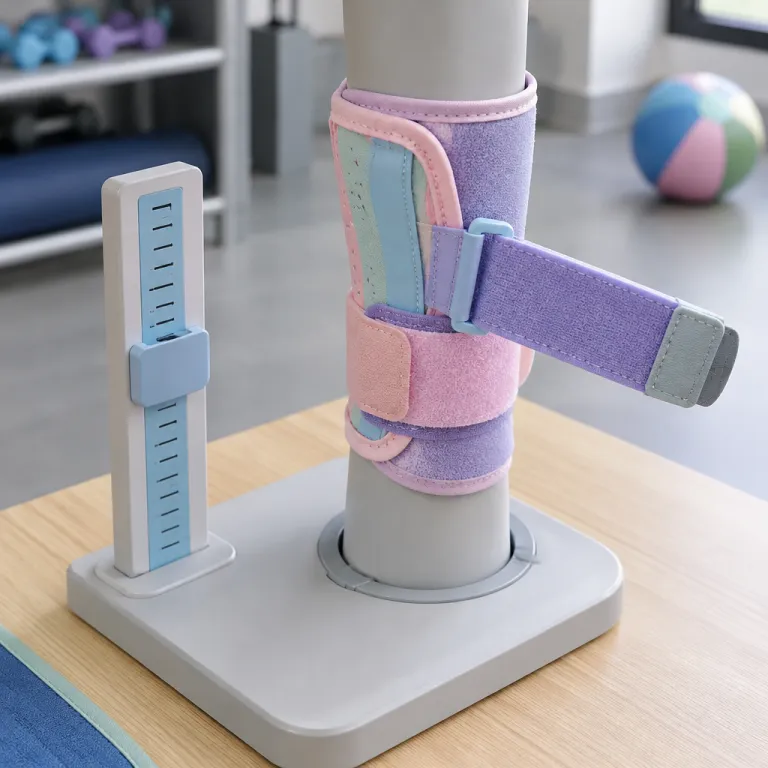
Understanding when a kids wrist brace is needed
Recognizing Signs Your Child May Need Wrist Support
Active children often experience bumps and falls, but sometimes wrist pain or discomfort can signal a need for extra support. If your child complains about wrist pain after sports, repetitive activities, or even after a minor injury, it might be time to consider a kids wrist brace. Common signs include swelling, tenderness, or difficulty moving the hand and wrist. Children with conditions like tendonitis, carpal tunnel, or juvenile arthritis may also benefit from a pediatric wrist brace for pain relief and stability.
Common Situations Where a Wrist Brace Helps
- Sports injuries from activities like gymnastics, basketball, or skateboarding
- Repetitive strain from video games, musical instruments, or writing
- Medical conditions such as carpal tunnel syndrome, arthritis, or tendonitis
- Post-cast support after a fracture or sprain
Choosing the right support brace is important for both comfort and recovery. Pediatric wrist braces come in various sizes and offer features like adjustable compression, straps, and splints to fit growing hands. Some products are even HSA eligible or FSA HSA approved, making them accessible for many families.
Why Early Support Matters
Using a wrist brace early can prevent further injury and provide the compression needed for healing. It also helps children maintain their activity levels without aggravating wrist pain. For parents, understanding the importance of proper support—whether for the wrist or other joints—can make a big difference in a child’s recovery and confidence.
In the next sections, you’ll learn how to compare features like adjustable straps, splint design, and price, as well as tips for ensuring the right fit and encouraging your child to wear their brace for the best results.
Key features to look for in a kids wrist brace
What Makes a Good Wrist Brace for Kids?
When choosing a wrist brace for your child, it’s important to focus on features that offer both comfort and effective support. Kids are active, so the right product should protect their wrist while allowing them to move freely. Here are some important things to consider:
- Adjustable Compression: Look for a brace with adjustable straps. This allows you to customize the compression and support, which is especially helpful for growing children or those with varying wrist circumference in inches.
- Pediatric Sizes: A pediatric wrist brace is designed to fit smaller hands and wrists. Make sure the product is specifically made for kids, not just a small adult version.
- Comfortable Materials: Soft, breathable fabrics help prevent irritation and keep the hand cool, even during sports or play. Padding around the wrist and hand area adds extra comfort.
- Secure Straps: Easy-to-use, adjustable straps ensure the brace stays in place. This is key for active kids who might be running, jumping, or playing sports.
- Support and Splint Design: Some braces include a removable splint for extra support, especially for conditions like tendonitis, carpal tunnel, or arthritis. A good wrist splint keeps the wrist in a neutral position to promote healing and pain relief.
- Durability: Kids can be tough on their gear. Choose a product that can withstand daily wear and tear, and is easy to clean.
- HSA/FSA Eligible: Some support braces are HSA eligible or FSA HSA approved, which can help with the price if you’re using a health savings account.
Comparing Features for the Best Fit
| Feature | Why It Matters |
|---|---|
| Adjustable Wrist Support | Ensures a snug fit and effective pain relief |
| Pediatric Sizes | Fits child wrists better than adult models |
| Removable Splint | Offers extra support for injuries or conditions like carpal tunnel |
| Soft, Breathable Material | Prevents skin irritation and increases comfort |
| Easy-to-Adjust Straps | Makes it simple for parents or kids to put on and take off |
| Durable Construction | Withstands active play and frequent washing |
Some parents also look for braces that are recommended for specific conditions like arthritis, tendonitis, or carpal tunnel syndrome. If your child needs a wrist brace for a particular reason, check the product description for these details.
For families interested in overall wellness and workspace comfort, you might also explore how a yoga ball with chair can improve your workspace and fitness. This can be a helpful addition for kids who spend time at a desk, supporting healthy posture alongside wrist care.
Ultimately, the best kids wrist brace is one that balances support, comfort, and durability, while fitting your child’s unique needs and lifestyle.
How to ensure the right fit for your child
Finding the Perfect Fit for Your Child’s Wrist
Getting the right fit is crucial when choosing a kids wrist brace. A poorly fitted brace can reduce support, cause discomfort, or even make wrist pain worse. Here’s what you need to know to ensure your child’s wrist brace provides the best possible support and pain relief.
- Measure Carefully: Start by measuring the circumference in inches around your child’s wrist. Most pediatric wrist braces list recommended sizes based on these measurements. Double-check the product’s sizing chart before purchasing.
- Adjustable Features: Look for adjustable straps or compression systems. These allow you to fine-tune the fit, ensuring the brace stays snug without being too tight. Adjustable wrist and hand brace options are especially helpful as your child grows.
- Comfort and Mobility: The brace should offer enough support for conditions like carpal tunnel, tendonitis, or arthritis, but still allow your child to move their hand and fingers. Pediatric wrist splints with soft, breathable materials help prevent irritation during active play.
- Try Before Use: If possible, have your child try on the wrist support before committing. Check for any pinching or pressure points. The brace should feel secure but not restrictive.
- Consider Pediatric-Specific Designs: Some products are made specifically for kids, with smaller sizes and fun designs. Pediatric wrist braces are more likely to fit well and encourage regular use.
Remember, a well-fitted wrist brace can make a big difference in pain relief and recovery. If you’re unsure about sizing or fit, consult a healthcare professional or look for brands that offer guidance on measuring and choosing the right size. For families managing multiple health needs, some braces are HSA eligible or FSA HSA approved, which can help with price and delivery options.
For more on how proper sizing and fit can impact health and fitness, check out this resource on the importance of a large blood pressure cuff for fitness enthusiasts.
Benefits of using a wrist brace for kids
How a Wrist Brace Supports Active Kids
Using a kids wrist brace can make a real difference for children who love sports or play. The right support brace helps stabilize the wrist and hand, reducing the risk of further injury. This is especially important for young athletes dealing with wrist pain, tendonitis, or even early signs of carpal tunnel syndrome. Pediatric wrist braces are designed to provide adjustable compression, which helps manage swelling and offers pain relief during recovery.
Key Benefits for Children
- Pain Relief: A quality wrist splint or hand brace can ease discomfort from sprains, strains, or arthritis. The compression and support limit movement that might worsen the injury.
- Injury Prevention: Wearing a wrist support during activities can help prevent new injuries, especially for kids who have had wrist problems before.
- Improved Healing: By keeping the wrist in a neutral position, a pediatric wrist brace encourages proper healing and reduces the risk of long-term issues.
- Adjustable Fit: Many products come with adjustable straps, making it easy to find the right fit for different hand sizes and wrist circumference inches. This is crucial for growing children.
- Versatility: Some wrist braces are HSA eligible or FSA HSA approved, making them a practical choice for families managing healthcare costs.
Why Features Matter
Choosing a wrist brace with the right features—like adjustable compression, breathable materials, and secure straps—ensures your child gets the best possible support. Pediatric wrist braces are often available in multiple sizes, so you can select the most comfortable option for your child. Some brands, such as Brace Direct, offer a range of products designed specifically for kids, focusing on both comfort and durability.
Encouraging Consistent Use
Consistent use of a wrist support can help your child return to their favorite activities faster and with less pain. It’s important to choose a product that your child finds comfortable and easy to wear, which increases the chances they’ll keep it on during play or sports. Adjustable wrist braces with soft materials and simple straps are often the best choice for active kids.
Tips for encouraging kids to wear their wrist brace
Making Wrist Braces a Part of Daily Life
Helping kids accept and consistently wear a wrist brace can be a challenge, especially for active children. The right approach can make a big difference in how your child adapts to their new support brace. Here are some practical strategies to encourage regular use and make the experience more positive:
- Choose the right product: Selecting a pediatric wrist brace with comfortable materials, adjustable straps, and the correct sizes ensures your child feels less restricted. Features like adjustable compression and soft, breathable fabric can help reduce irritation and improve compliance.
- Involve your child in the process: Let your child help pick out their wrist support. When kids have a say in the color, style, or even the type of hand brace, they’re more likely to wear it willingly.
- Explain the benefits: Talk to your child about how the brace helps with pain relief, supports healing from tendonitis or carpal tunnel symptoms, and prevents further injury. Understanding the purpose can motivate them to keep it on.
- Make it routine: Incorporate the wrist splint into daily activities, like putting it on before sports or school. Consistency helps the child wrist brace become a normal part of their day.
- Check the fit regularly: Kids grow quickly, so monitor the circumference in inches to ensure the wrist support still fits well. An adjustable wrist brace can accommodate growth and changing needs.
- Address discomfort quickly: If your child complains about pain or irritation, check for proper fit and adjust the straps. Sometimes switching to a different pediatric wrist product with better features or softer materials can help.
- Positive reinforcement: Praise your child for wearing their support wrist brace, especially during activities that could aggravate arthritis or other conditions. Small rewards or encouragement can go a long way.
- Work with professionals: If your child resists wearing the brace, consult a pediatric specialist or occupational therapist. They can provide guidance on the best support brace for your child’s needs and offer tips for increasing compliance.
Remember, the goal is to make the wrist brace a helpful tool for pain relief and injury prevention, not a burden. With the right approach and a product that fits well, your child can stay active and protected.
Caring for and maintaining a kids wrist brace
Keeping the wrist brace clean and effective
To make sure your child’s wrist brace continues to provide the right support and pain relief, it’s important to keep it clean and in good condition. Most pediatric wrist braces are made with materials designed for durability, but daily use can lead to dirt, sweat, and bacteria build-up. Always check the product label for specific cleaning instructions, as some braces are machine washable while others require hand washing. Use mild soap and cool water to gently clean the brace, especially around the straps and adjustable compression areas. Allow the brace to air dry completely before your child wears it again to prevent skin irritation and maintain the integrity of the support.
Inspecting for wear and tear
Regularly inspect the wrist brace for signs of wear, such as frayed straps, weakened Velcro, or stretched-out elastic. These issues can reduce the effectiveness of the support and may compromise the fit. If you notice any damage, consider replacing the brace to ensure your child continues to receive the right level of compression and stability. Some brands offer replacement straps or parts, which can be a cost-effective solution if the main structure of the brace is still in good condition.
Proper storage and handling
When not in use, store the wrist brace in a clean, dry place away from direct sunlight. Excessive heat or moisture can damage the materials and reduce the lifespan of the product. Encourage your child to remove the brace before activities involving water, such as swimming or bathing, unless the product is specifically designed for water use. Proper storage helps maintain the adjustable features and ensures the brace remains comfortable and supportive for your child’s hand and wrist.
Monitoring fit as your child grows
As children grow, their wrist circumference in inches can change, affecting how well the brace fits. Periodically check the fit to make sure the brace is still providing adequate compression and support. Many pediatric wrist braces come in various sizes or have adjustable straps to accommodate growth. If the brace becomes too tight or too loose, it may be time to switch to a different size or model to maintain optimal pain relief and support for conditions like tendonitis, carpal tunnel, or arthritis.