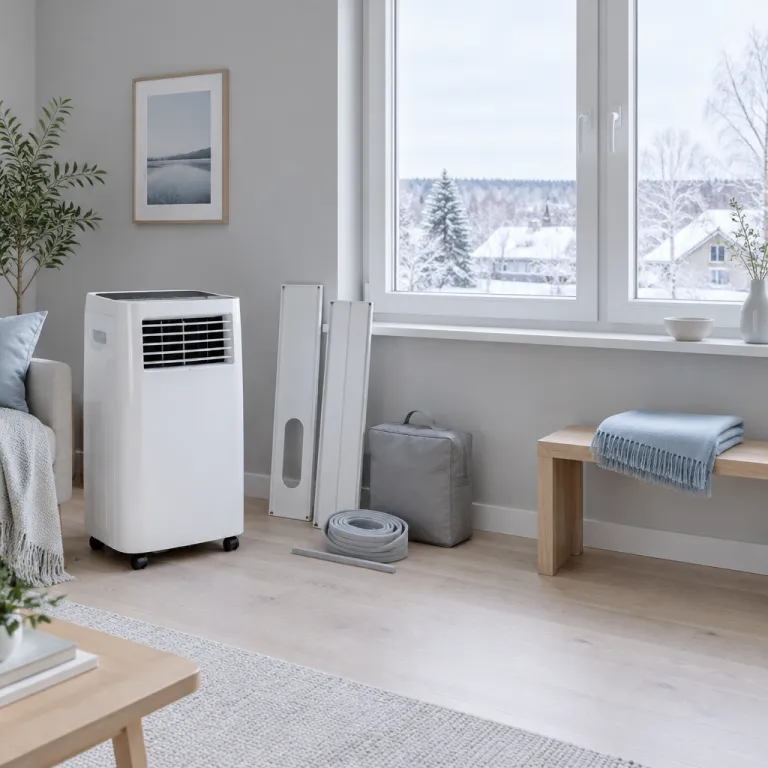
Why your summer window kit becomes a winter draft channel
When you leave a portable air conditioner window kit in place after summer, you turn that window into a permanent leak for cold air. The thin plastic panels and foam strips that seemed good enough in July are not designed as weather seals for a full winter, so they shrink, warp and leave hairline gaps that funnel icy air straight into your room. According to the U.S. Department of Energy’s Energy Saver guidance on windows, heat loss and gain through glass can account for roughly 25%–30% of residential heating and cooling energy use, so even small gaps around a vent panel can have a noticeable impact on comfort and utility bills. If you want to remove portable air conditioner window kit winter draft problems before your heating bill spikes, you need to treat that kit as seasonal equipment, not a permanent part of the window.
Look closely at any conditioner window panel on a chilly, windy night and you will often feel cold air sneaking in around the hose collar, the telescoping joints and the foam edges. Those parts are engineered for quick venting of window air in summer, not for the kind of tight compression you get from the original sash and frame of the window itself, which is why every serious HVAC technician will tell you that the kit is a temporary adapter, not a structural barrier. Leaving the unit and kit in place through winter also keeps the window slightly misaligned, which can crush existing weatherstripping and make the air conditioner less stable when you reinstall it next year.
Urban renters feel this most on north facing walls where the wind drives cold air against a single pane window for hours. The foam that came with many portable air conditioner products is usually open cell, so it can absorb moisture, stay damp and then freeze, which widens gaps and lets even more cold air in around the kit. Energy Star recommendations on efficient room cooling and ASHRAE comfort standards both stress the importance of tight seals around any window-mounted equipment, because uncontrolled air leakage forces heating systems to run longer to maintain set temperatures. If you remove portable air conditioner window kit winter draft pathways before the first hard freeze, you protect both your heating comfort and the long term condition of the window frame, sash and the portable AC unit itself.
The ten minute teardown: remove, clean and restore the window seal
The fastest way to eliminate winter drafts from a portable AC window insert is a simple teardown that most renters can do in ten minutes. Start by switching the air conditioner off, unplugging the unit and letting any internal parts dry for at least an hour, because you do not want condensation dripping into the window track while you work. Once the unit is dry, release the hose from the conditioner window panel, then slide the panel inward so you can lift it out without scratching the glass or the frame.
Use this quick checklist to break the job into clear steps:
- Step 1 – Remove the kit: Take the vent hose out of the panel, loosen any side brackets and lift the panel straight up and out of the track.
- Step 2 – Strip and clean: Peel away every strip of foam that was originally selected to pad the gaps between the kit and the window, even if it still looks clean, because that foam has already compressed and will not spring back properly next season. Use a small brush or a vacuum nozzle to remove dust, grit and insect debris from the window track, then wipe the entire sill, frame and glass with a damp cloth so that any remaining dirt does not grind into the seals when you close the sash.
- Step 3 – Dry and inspect: Follow with a dry cloth so the track stays dry and less prone to mold, then check the corners and existing weatherstripping for damage before you close the window.
For a better seal next year, plan on replacing the old padding with closed cell adhesive weatherstripping that is rated for exterior use and sized to match the gap in your specific window track. Many renters find that a 3/8 inch by 3/4 inch (about 9 mm by 19 mm) foam tape works well for typical vinyl sash windows, while a slimmer 1/4 inch by 1/2 inch (around 6 mm by 13 mm) strip fits tighter aluminum tracks. A second pass with a dry cloth helps the track stay dry and prevents mold, which is especially important in older buildings where HVAC systems are already working hard to manage indoor air quality.
Before you fully close the window, check that the original weatherstripping is intact and not torn where the kit pressed against it all summer. If you see gaps, this is the moment to add a simple adhesive foam strip from a local hardware store or from an online store such as Amazon, because sealing those edges now will stop cold air from sneaking in all winter. As you remove portable air conditioner window kit winter draft sources, take a quick photo of the assembled kit on the floor and label each piece of hardware in a small bag, then note the model name and any replacement parts you might need and save that with a link to a reliable replacement parts guide such as this detailed resource on where to find hoses, window kits and filters for older portable AC units.
Storage, labeling and the reinstall speed trick for next June
Once the window is sealed for winter, your next job is to store the kit and the air conditioner so that reinstalling them next June takes minutes, not an hour of guesswork. Lay the conditioner window panel flat on a table, extend it to the exact length that matched your window opening and measure that distance in centimetres, then write the number directly on a piece of masking tape stuck to the panel so you never have to re measure. That simple note turns the vague task of reinstalling a window air vent into a quick, repeatable move where you slide the panel to the marked length, tighten the screws and snap the hose back into place.
Every screw, bracket and small clip from the kit should go into a labeled zip bag, ideally with a short written content list such as “left bracket, right bracket, hose collar screws” so you can see at a glance whether anything is missing when summer returns. Wipe the hose and exterior of the unit with a damp cloth, then follow with a dry cloth to keep dust from caking on, because a clean surface sheds heat better and helps the air conditioner run more efficiently. If you plan to move the unit to a closet or storage room, secure the power cord with a soft cloth tie and consult a practical guide on choosing the right stand for your portable AC unit so the machine sits level and dry instead of resting on a cold basement floor.
Renters in small apartments often tuck the unit into a corner of the bedroom or a hallway, which is fine as long as the space is dry and not exposed to direct cold drafts from another window. Avoid plastic bags that trap moisture around the unit, and instead use a breathable cloth cover or even an old cotton sheet to keep dust off while allowing any residual moisture to escape. When you remove portable air conditioner window kit winter draft risks and store the products carefully, you extend the life of the compressor, keep the fan blades cleaner and make it far easier to get reliable cooling performance when the first hot spell arrives.
Renter realities, tricky windows and how to handle casement and sliders
Not every urban renter has a classic up and down sash window, and that is where portable air conditioner kits get messy and drafty fast. Casement windows that crank outward and horizontal sliders often rely on improvised panels or third party products that never quite match the frame, which makes it even more important to remove portable air conditioner window kit winter draft pathways before the heating season. If you are using a universal kit from Amazon or another store, assume that its foam and plastic are three season solutions at best, not permanent weather barriers for a full winter of wind and rain.
For casement setups, many people use a vertical panel or a soft fabric insert that zips around the hose, and both of those options can wick water and stay damp if you leave them in place behind a cold pane of glass. At the end of the cooling season, unclip or unzip every part of that kit, remove the hose from the air conditioner and let the fabric or plastic dry completely before folding it, because storing a damp kit in a closet is a recipe for mildew and bad smells next summer. If you are unsure how to rebuild a casement or slider configuration, bookmark a focused guide on portable air conditioning for casement windows so you have a clear visual reference when it is time to reinstall.
Lease language in many cities bans permanent alterations to the window frame, which is another reason to pull every screw in the kit and gently clean the frame with a non abrasive cleaning solution and a soft cloth at the end of the season. That quick cleaning step removes tape residue, dust and any marks from the unit brackets, which helps you avoid friction with a landlord who inspects windows closely in winter. When you remove portable air conditioner window kit winter draft sources and leave the original window hardware untouched, you keep your options open for future upgrades, whether that means a more efficient portable air conditioner, a better fitting kit or even a full HVAC upgrade if you eventually move into a space you own.
FAQ
Should I remove my portable air conditioner window kit as soon as nights turn cold?
Yes, you should remove the kit as soon as you are no longer running the air conditioner regularly, because every extra week it stays in the window is another week of potential cold air infiltration. Once overnight temperatures drop and the unit is mostly idle, you gain nothing by leaving the kit installed, and you risk higher heating costs from drafts around the panel and hose opening. Treat the change of season as your cue to remove portable air conditioner window kit winter draft leaks before they become a long term comfort problem.
How do I clean the window area after taking out the kit?
After removing the panel, foam and brackets, vacuum loose debris from the sill and track, then wipe all hard surfaces with a damp cloth and a mild cleaning solution. Follow with a dry cloth so the track and frame are fully dry before you close the sash, which helps protect existing weatherstripping and reduces the chance of mold in cold, humid weather. This quick cleaning routine keeps the window air path clear for next summer and makes the reinstall smoother because the surfaces are clean and ready for a fresh seal.
Where should I store the portable AC unit and window kit over winter?
The best place to store the unit and kit is a dry, temperature stable area such as an interior closet, a conditioned storage room or a corner of a bedroom away from exterior walls. Keep the hose, panel and small hardware together in a labeled box or bag so you do not lose critical pieces, and avoid damp basements or uninsulated attics where condensation and extreme cold can damage plastic parts. A breathable cloth cover over the unit will keep dust off without trapping moisture, which helps the air conditioner start clean and ready when summer returns.
Will removing the window kit damage my rental window or violate my lease?
Taking the kit out for winter usually protects your rental window rather than harming it, because it relieves pressure on the frame and weatherstripping that were never designed to hold a plastic panel year round. As long as you avoid drilling new holes and use removable brackets or compression fittings, you are respecting the original window structure and reducing the chance of long term marks. Many landlords prefer that tenants remove portable air conditioner window kit winter draft sources and restore the window to its normal function during the heating season, since that also helps the building’s overall HVAC performance.
How can I make reinstalling the kit next summer faster and less frustrating?
Before you fully disassemble the setup, take clear photos of the installed kit from inside and outside, then measure the exact panel length that fits your window and write that number directly on the panel. Bag and label all screws, brackets and foam pieces, and keep them with a short note about which window they belong to, especially if you have multiple units. These small steps turn the vague task of reinstalling a window air conditioner into a quick, repeatable process where you simply match the photos, set the panel to the recorded length and snap the hose back into place.
Sources
Energy Star, U.S. Department of Energy Energy Saver (windows and doors guidance), American Society of Heating, Refrigerating and Air Conditioning Engineers (ASHRAE comfort and infiltration standards)