Battery life, charging systems, and travel readiness
Cordless models live or die by their battery life and charging convenience. The best cordless electric toothbrushes now commonly offer two to three weeks of use from a single charge, assuming standard two minute brushing sessions. That extended battery life is crucial for frequent travel, shared bathrooms, or simply people who dislike constant charging.
Look closely at how brands describe life days of use, because marketing language can blur reality. Some electric toothbrushes quote impressive life days but only when used on the lowest intensity modes, which many people abandon after a few weeks. Independent tests and detailed reviews, such as those on specialist sites that compare top electric toothbrushes with long battery life, help you interpret those claims.
Charging formats also shape daily convenience and travel habits. Inductive stands remain common for philips Sonicare and other oral electric brands, while some newer series use USB C cables that plug directly into a wall adapter or laptop. If you travel often, a compact travel case that holds the handle and at least two brush heads prevents damage and keeps your oral kit organised.
Travel cases, accessories, and on the go oral hygiene
For many readers, portability is a decisive factor when choosing among the best cordless electric toothbrushes. A sturdy travel case protects the brush head and handle from knocks, but it also keeps everything hygienic inside crowded luggage. Some premium travel cases even double as charging docks, drawing power from USB ports to top up the battery during long trips.
Think about how many brush heads you need on the road and at home. Couples often share a single electric toothbrush handle but use different coloured brush heads, so a larger case with space for multiple brush head options becomes practical. Families may prefer separate travel case designs for each person, especially when mixing adult and child sized toothbrushes in the same bathroom.
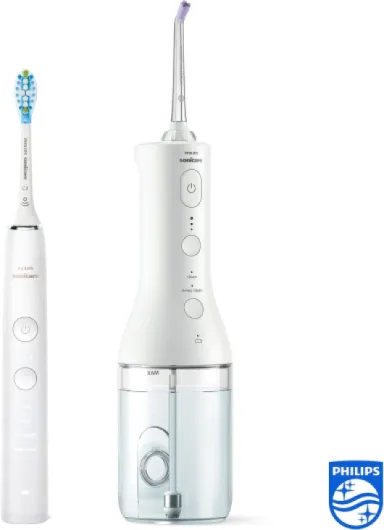
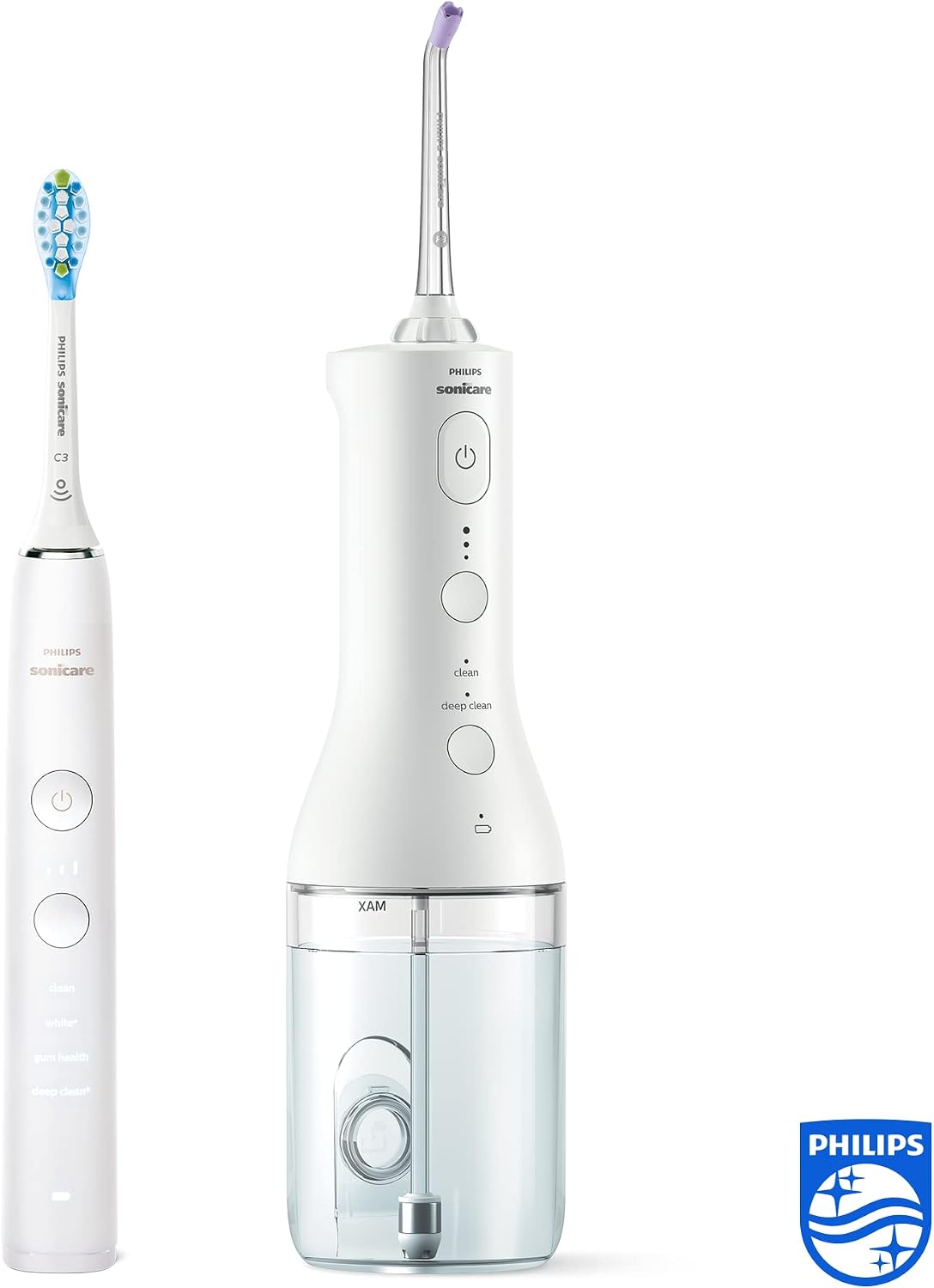
Complementary tools can further elevate your travel oral routine. A compact water flosser, for example, pairs well with a cordless electric toothbrush when you have orthodontic appliances or tight interdental spaces. While a water flosser does not replace brushing, using both devices consistently can significantly improve plaque control and gum scores during dental check ups.
Philips Sonicare, Oral series, and how brand ecosystems shape your choice
Brand ecosystems matter because they determine which replacement heads, accessories, and service options you will rely on for years. Philips Sonicare has built a broad range of electric toothbrushes, from simple daily clean models to advanced series with app connectivity and multiple brushing modes. Oral series devices, including several oral Pro lines, compete strongly with different handle shapes, oscillating brush heads, and distinctive timer patterns.
When you compare philips Sonicare with an oral Pro electric toothbrush, pay attention to how each brush head moves. Sonic style brush heads vibrate at high frequency to create fluid dynamics around the teeth, while oscillating round heads rotate and pulse directly on each surface. Both approaches can clean effectively, but some users prefer the sweeping feel of Sonicare, whereas others like the precise targeting of an oral electric round head.
Service networks and replacement brush availability also influence long term satisfaction. Philips and Oral brands both offer replacement heads through supermarkets, pharmacies, and large online retailers such as Amazon, but specific series may use unique brush heads that cost more. Before committing to any of the best cordless electric toothbrushes, check local prices for each replacement brush and confirm that compatible replacement heads will remain available for several years.
Dentist guidance, seal acceptance, and clinical backing
Professional endorsements help separate marketing hype from clinically meaningful benefits. Many dentists recommend choosing an electric toothbrush that has earned a recognised seal acceptance from major dental associations, because this indicates that the brush meets independent performance standards. When a toothbrush oral design carries such a seal, it usually means the brush heads, timer, and pressure sensor have been evaluated for safety and effectiveness.
During check ups, ask your dentist which electric toothbrushes they see working best in real mouths. Some clinicians favour philips Sonicare for patients with periodontal issues, while others lean toward oral Pro models for people who struggle with plaque along the gumline. For a structured overview of dentist approved models, resources that explain how to choose the best model for your oral health can clarify which features genuinely matter.
Remember that even the best electric cordless handle cannot compensate for poor technique. You still need to guide the brush slowly along each tooth surface, let the minute timer dictate pacing, and replace the brush head every three months or sooner if bristles splay. When technique, technology, and professional advice align, your daily clean routine becomes far more effective and sustainable.
Brush heads, replacement strategy, and hygiene over the long term
Brush heads are the working end of every electric toothbrush, and their design strongly influences cleaning results. A well engineered brush head combines bristle density, trimming patterns, and flexibility to reach into interdental spaces without scratching enamel. Many of the best cordless electric toothbrushes now offer specialised brush heads for whitening, gum care, or orthodontic appliances.
Planning a replacement brush strategy keeps performance consistent and hygiene high. Most manufacturers recommend changing replacement heads every three months, but heavy brushers or people with braces may need fresh brush heads more often. Some philips Sonicare and oral series models track brush head usage and alert you when it is time to fit a new brush head, which removes guesswork from the routine.
Availability and cost of replacement heads should be part of your buying decision. Multipacks sold through Amazon or pharmacies often reduce the per head price, making it easier to maintain the schedule your dentist suggests. When you evaluate the best electric cordless options, calculate the annual cost of replacement brush purchases and compare it with the benefits of improved oral health and fewer restorative treatments.
Cleaning, storage, and preventing bacterial build up
How you care for your electric toothbrush between uses affects both hygiene and durability. After each brushing session, rinse the brush head thoroughly under running water, then let it air dry upright rather than trapping moisture in a closed case. Wiping the handle and charging base weekly prevents toothpaste residue from hardening and interfering with the sensor lights or timer indicators.
Some users like to rotate multiple brush heads to extend life days of each one. For example, you might keep a daily clean head for routine use and a more intense clean head for occasional stain removal, storing both in a ventilated holder. This approach can be especially helpful when several family members share a single electric toothbrush handle but maintain separate colour coded brush heads.
Travel adds another hygiene challenge that a good travel case can solve. A ventilated travel case with drainage channels allows the brush to dry while still protecting it from contact with other items. When combined with a compact water flosser and small tube of fluoride toothpaste, such a kit supports consistent oral care even during long journeys or irregular schedules.
Buying smart: prices, platforms like Amazon, and what really matters
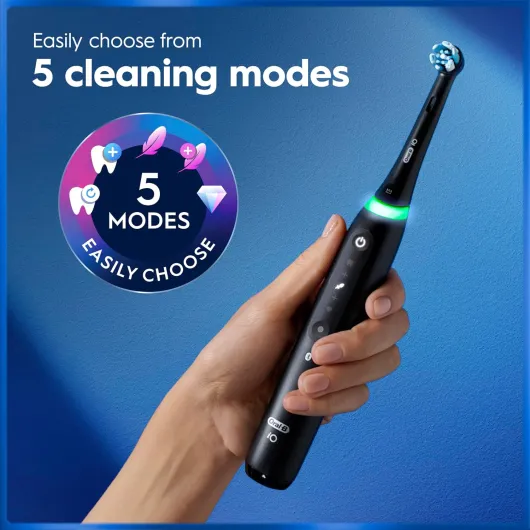
Price ranges for the best cordless electric toothbrushes vary widely, from budget handles to premium smart models. Entry level electric toothbrushes often provide a single mode, a basic minute timer, and shorter battery life, yet they still outperform many manual brushes in plaque removal. Premium series add multiple brushing modes, advanced pressure sensor systems, and app connectivity, but not every user needs those extras.
Online platforms such as Amazon make it easy to compare toothbrushes, but ratings alone can mislead. Look beyond star scores to see whether reviewers mention consistent battery performance, durable brush heads, and reliable timers after many life days of use. Pay attention to comments about replacement heads availability, because a bargain handle loses value if compatible replacement brush options become scarce or expensive.
Warranty terms and customer support also deserve scrutiny. Some philips Sonicare and oral Pro models offer extended guarantees or hassle free replacement if the electric motor or battery fails prematurely. When you weigh prices, factor in not only the initial cost but also the expected lifespan, the annual spend on brush heads, and the potential savings from better oral health and fewer dental interventions.
Balancing sustainability, materials, and oral performance
Environmental concerns increasingly influence how people choose among the best cordless electric toothbrushes. While electric toothbrushes generate electronic waste, they can also reduce plastic consumption if a single handle lasts many years and only compact brush heads are replaced. Some brands now experiment with recycled plastics in handles and packaging, though bristles still require durable synthetic materials for effective brushing.
Consumers sometimes ask whether a manual bamboo brush offers a greener alternative to an electric toothbrush. The answer depends on how long each product lasts, how it is disposed of, and how effectively it supports oral health, which you can explore further in analyses of whether bamboo toothbrushes are truly biodegradable and better than electric models. If a less effective brush leads to more cavities or periodontal treatment, the environmental cost of additional dental care can offset material savings.
For now, the most practical sustainability step is to use any electric toothbrush for its full designed lifespan. Choose a robust handle, maintain it carefully, and recycle components through electronic waste programmes where available. By pairing a durable cordless handle with responsibly sourced replacement heads, you can support both oral health and environmental goals without sacrificing cleaning performance.
Daily routines, technique, and getting the most from your cordless brush
Owning one of the best cordless electric toothbrushes only pays off if you use it correctly. Dentists generally recommend brushing twice a day for two minutes, which aligns with the standard minute timer built into most electric toothbrushes. Let the timer guide you through four 30 second segments, one for each quadrant, rather than rushing the process.
Technique differs slightly between Sonic and oscillating brush heads. With philips Sonicare style heads, you usually glide the brush slowly along the gumline and let the vibrations do the work, avoiding scrubbing motions that can damage enamel. With oral Pro round heads, you place the brush head on each tooth surface for a second or two, allowing the oscillating and pulsating action to clean thoroughly before moving on.
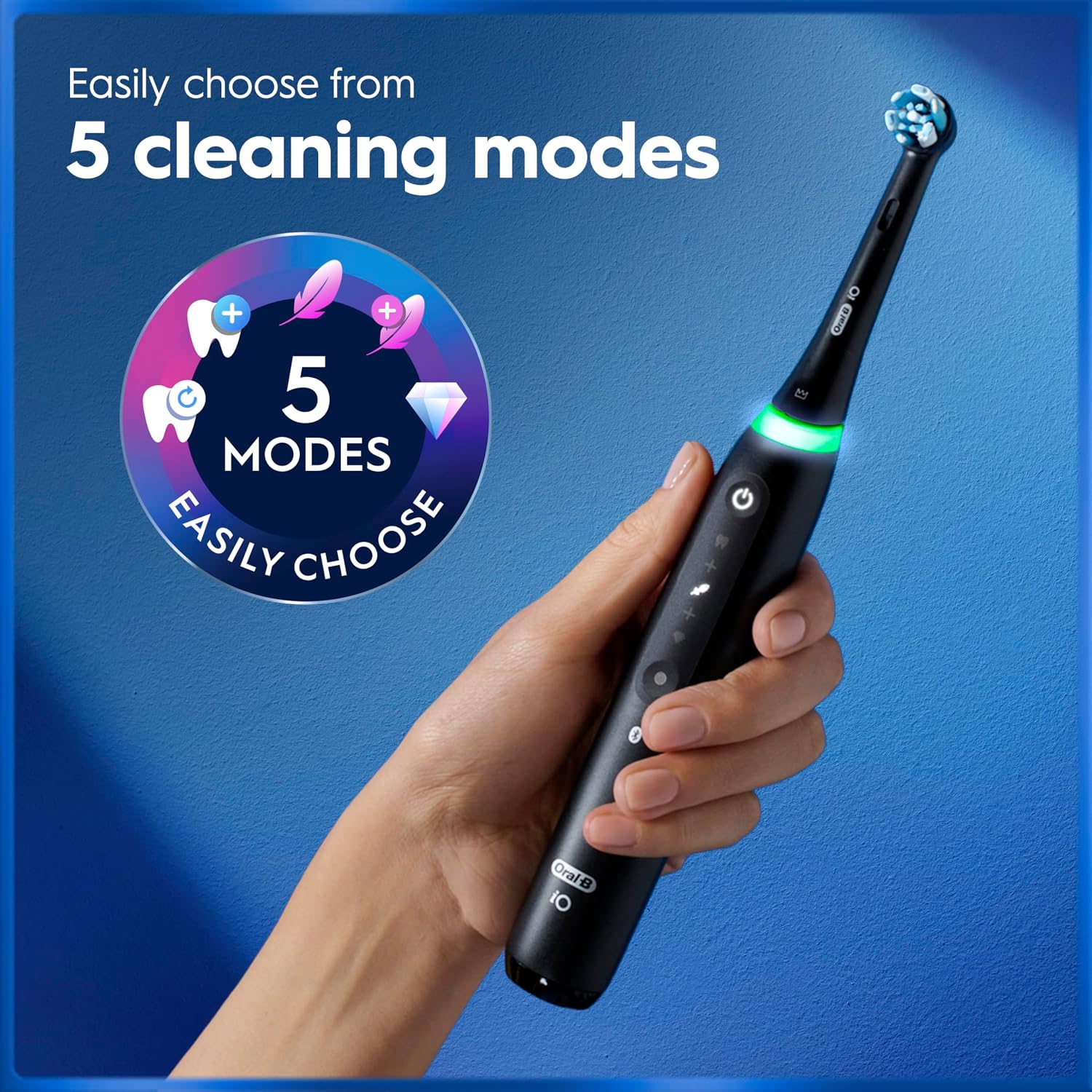
Pressure control remains critical regardless of brush type. Rely on the built in pressure sensor where available, and if your toothbrush oral design lacks one, consciously lighten your grip so the bristles barely flex. Over time, a gentle approach combined with consistent use of the minute timer, appropriate modes, and timely replacement of brush heads will deliver cleaner teeth, healthier gums, and more confident dental check ups.
Integrating flossing, water flossers, and professional care
No electric toothbrush can fully clean the tight spaces between teeth. Traditional floss or interdental brushes remain essential, but many people find a water flosser easier to integrate into their routine. Using a water flosser before or after your electric toothbrush session can remove debris from areas where even the best electric brush head struggles to reach.
Regular professional cleanings complement your home routine and help you fine tune technique. Hygienists can watch how you hold the brush, how you follow the timer, and whether you press too hard, then suggest adjustments tailored to your specific oral anatomy. They can also advise on which modes to prioritise, whether daily clean is sufficient, and how often you should replace brush heads based on wear patterns.
Ultimately, the value of any cordless electric toothbrush lies in consistent, mindful use. Choose a handle whose weight, vibration, and controls feel natural in your hand, then build a routine you can maintain for many life days without strain. When technology, habit, and professional guidance align, your investment in a high quality electric toothbrush pays dividends in comfort, confidence, and long term oral health.
Key statistics on cordless electric toothbrushes
- Randomised clinical trials have shown that electric toothbrushes reduce plaque by roughly 20 % more than manual brushes after three months of use, according to systematic reviews from the Cochrane Oral Health Group.
- Oscillating rotating electric toothbrushes have demonstrated about 11 % greater reduction in gingivitis scores compared with manual brushes over similar periods, based on aggregated clinical data reported in peer reviewed dental journals.
- Consumer surveys from major oral care manufacturers indicate that users who rely on a built in two minute timer brush up to 40 % longer than those using manual brushes without timing aids.
- Market analyses show that cordless rechargeable models now account for the majority of electric toothbrush sales globally, reflecting a steady shift away from battery disposable designs.
- Studies tracking adherence suggest that people who receive personalised instruction on electric toothbrush technique from dental professionals are significantly more likely to maintain twice daily brushing habits over six months.