Canon, Nikon, and Sony full frame systems compared
The three dominant players in full frame cameras are Canon, Nikon, and Sony, and each system has a distinct character. Canon EOS full frame mirrorless cameras focus on intuitive ergonomics, strong color science, and hybrid photo video performance, while Nikon full frame bodies emphasize robust weather sealed construction and excellent electronic viewfinders. Sony full frame mirrorless cameras built the earliest lens ecosystem, so many professionals still regard the Sony system as the most mature for third party lenses and accessories.
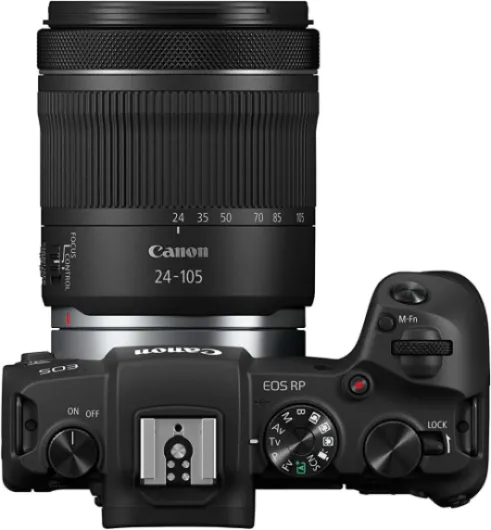
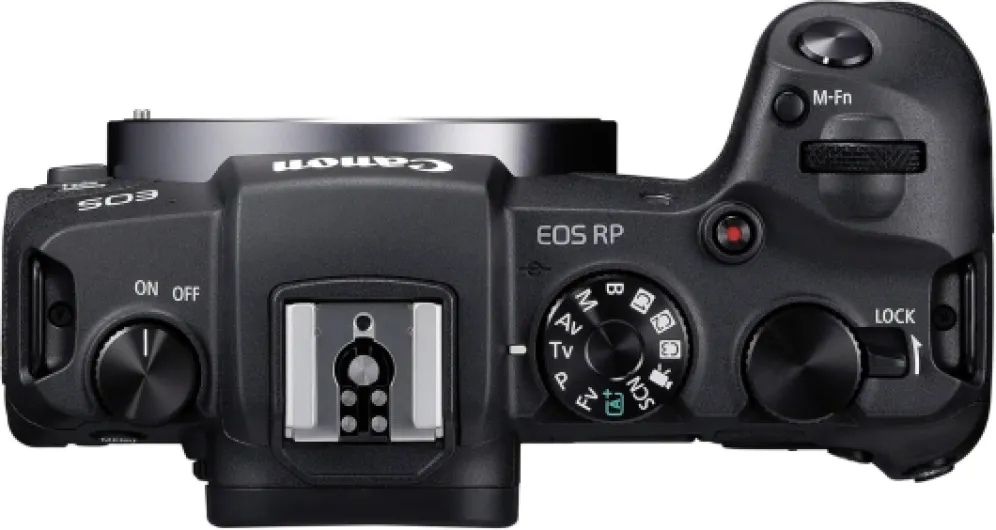
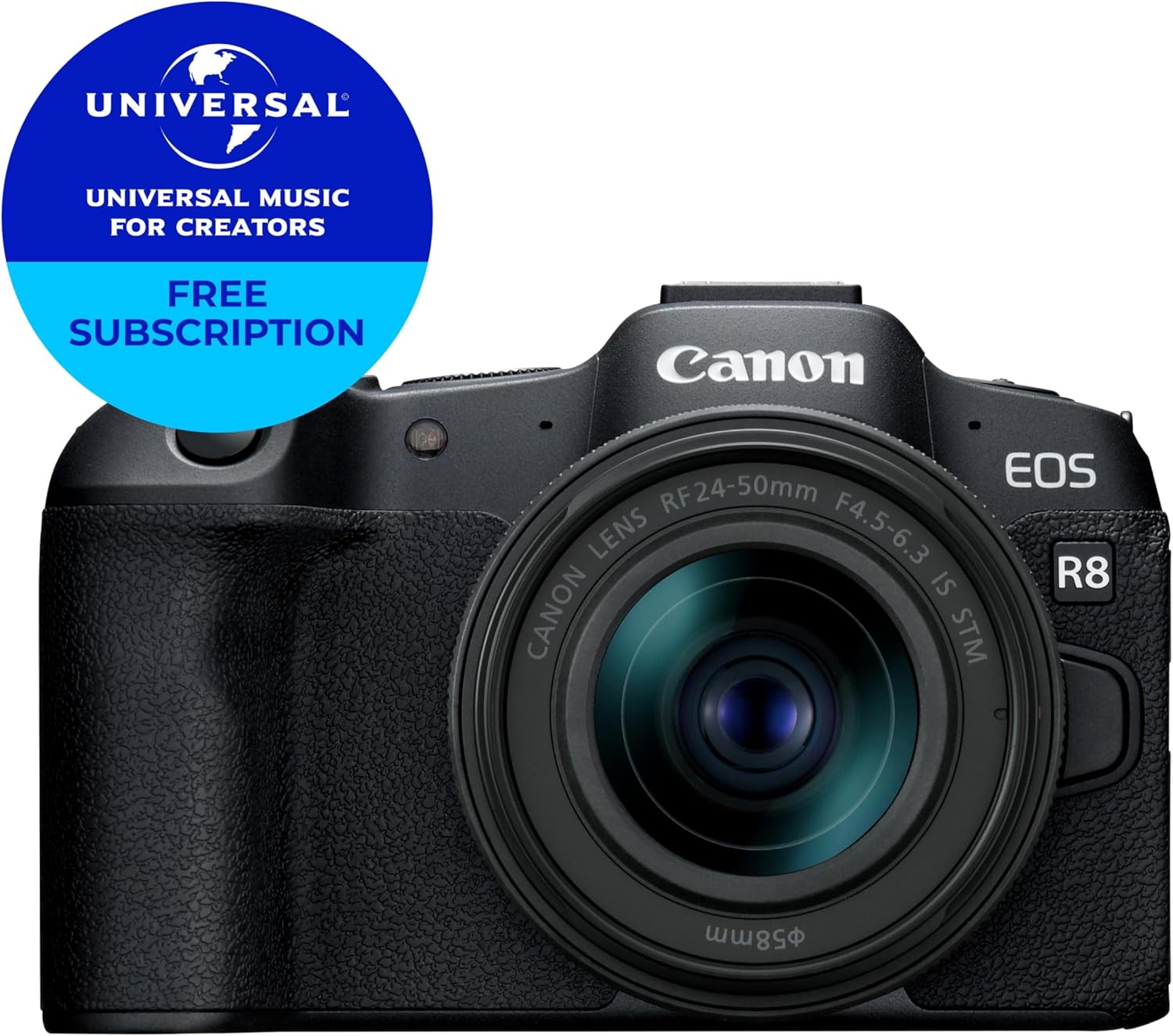
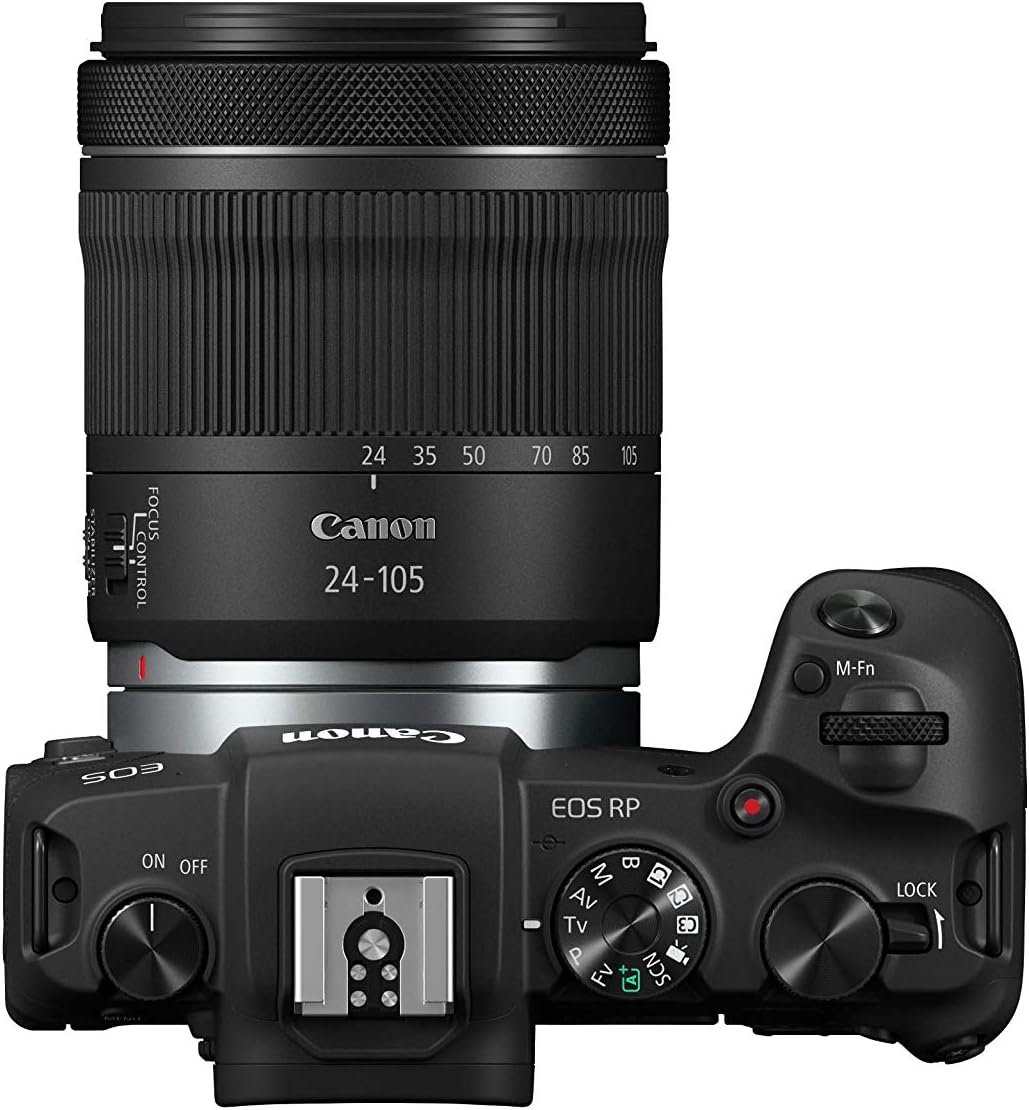
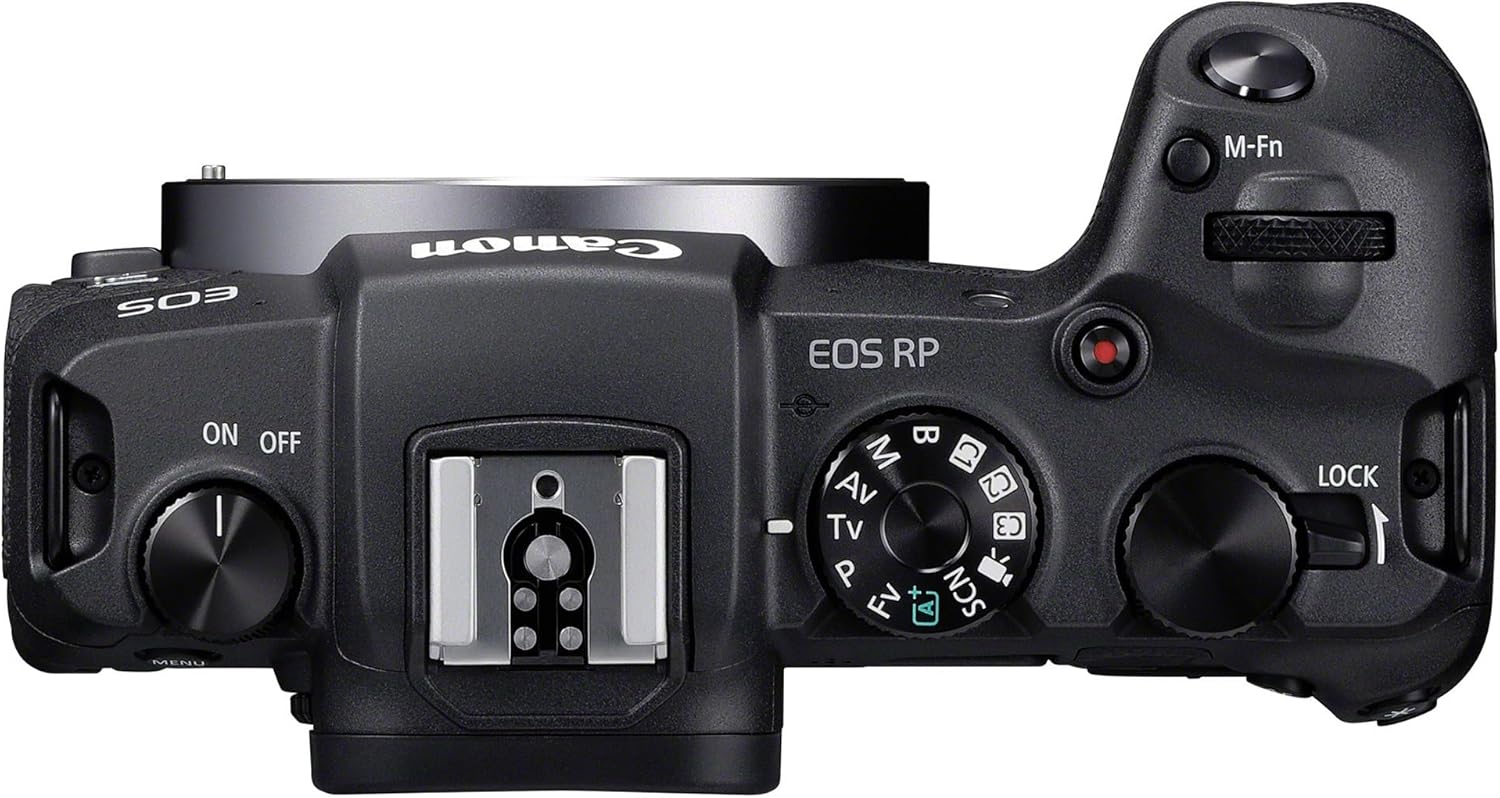
Within Canon, the Canon EOS R series ranges from affordable bodies to high end models like the Canon EOS R5, which many reviewers call a best camera for mixed stills and video work. If you are hesitating between two Canon full frame bodies, a detailed comparison such as this guide on the Canon R8 versus R6 Mark II can clarify how fps, autofocus, and card slots differ in real use. Nikon counters with cameras like the Nikon Z6 II and Nikon Z7 II, which offer dual card slots, strong low light autofocus, and weather sealed magnesium alloy shells that appeal to outdoor photographers.
Sony’s Alpha line includes the Sony A7 IV and Sony A7R series, which deliver class leading image quality and impressive battery life in compact mirrorless bodies. Many professionals who shoot both stills and video rely on a Canon Sony combination, using Canon EOS bodies for certain color critical work and Sony cameras for high fps action or specialized video. When you compare Canon, Nikon, and Sony, remember that the best full frame digital cameras for you will depend on which lenses you prefer, how the grip feels in your hand, and whether the menu system makes sense during fast paced assignments.
| Model |
Resolution |
Max burst (fps) |
CIPA battery rating |
Best for |
| Canon EOS R5 |
45 MP |
Up to 20 fps |
Approx. 320 shots |
Hybrid stills and 8K / 4K video |
Pros: Excellent 45 MP resolution, advanced Dual Pixel AF, strong 8K / oversampled 4K video, fast electronic burst.
Cons: Higher price, demanding on storage and cards, intensive video can generate heat.
Buy if: You want a flagship Canon body that can handle demanding professional stills and video work in one package.
|
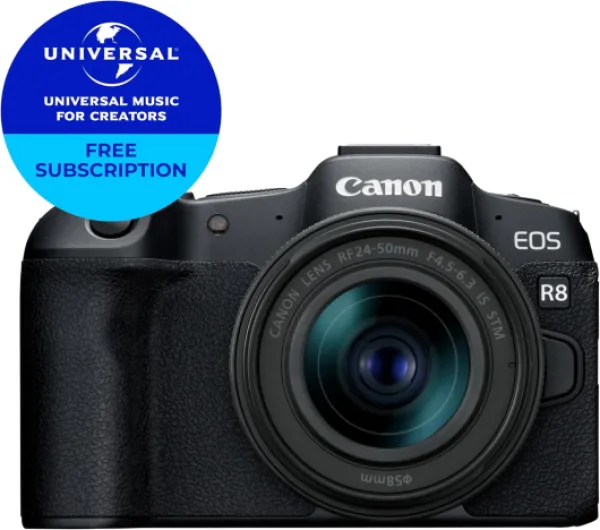
| Canon EOS R8 |
24 MP |
Up to 40 fps |
Approx. 290 shots |
Enthusiasts and travel |
Pros: Lightweight body, fast 40 fps electronic burst, strong autofocus inherited from higher models, attractive price.
Cons: Single card slot, modest CIPA battery rating, fewer direct controls than pro bodies.
Buy if: You want an affordable Canon full frame camera for travel and everyday photography with advanced AF performance.
|
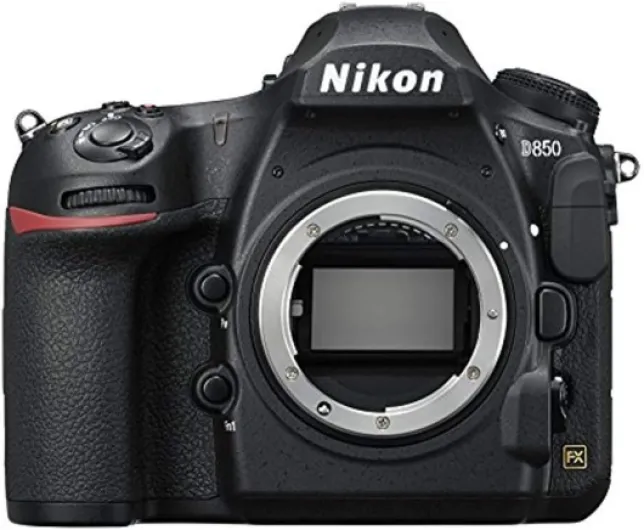
| Nikon Z6 II |
24 MP |
Up to 14 fps |
Approx. 410 shots |
General purpose and low light |
Pros: Balanced 24 MP sensor, dual card slots, good high ISO performance, solid weather sealing and ergonomics.
Cons: Video feature set is more modest than some rivals, AF tracking not as advanced as the very latest flagships.
Buy if: You want a versatile Nikon body that covers events, portraits, and low light work without overspending.
|
| Nikon Z7 II |
45.7 MP |
Up to 10 fps |
Approx. 420 shots |
Landscape and studio detail |
Pros: Very high 45.7 MP resolution, excellent dynamic range, dual card slots, robust build for field work.
Cons: Large files require fast cards and a powerful computer, burst rate and buffer less suited to intense sports.
Buy if: You prioritize maximum detail for landscapes, studio, and commercial photography on the Nikon Z system.
|
| Sony A7 IV |
33 MP |
Up to 10 fps |
Approx. 580 shots |
All round stills and 4K video |
Pros: 33 MP sensor with strong dynamic range, reliable Real-time Tracking AF, long battery life, deep lens ecosystem.
Cons: Menus can feel complex, rolling shutter limits some fast electronic shutter use, not the cheapest mid range option.
Buy if: You want a do-everything Sony body that balances resolution, video features, and endurance for mixed shooting.
|
| Sony A7R V |
61 MP |
Up to 10 fps |
Approx. 440 shots |
High resolution commercial work |
Pros: Class leading 61 MP resolution, advanced subject recognition AF, detailed EVF, strong for large prints and cropping.
Cons: Large files and processing demands, overkill for casual use, burst speed and rolling shutter limit some sports work.
Buy if: You need extremely high resolution for commercial, landscape, or fine art projects on the Sony E mount.
|
All resolution, fps, and CIPA battery figures in the table above are based on manufacturer specifications and widely cited test data from sources such as DPReview and the Camera & Imaging Products Association, which helps you compare these models on consistent, published numbers.
Key specifications that define the best full frame digital cameras
Resolution, measured in megapixels, is often the first specification people see when they research the best full frame digital cameras. Higher resolution full frame sensors such as those in the Sony A7R series or Nikon Z7 series capture extraordinary detail, but they also generate larger files that demand faster card slots and more powerful computers. Mid resolution bodies around 24 megapixels, like many Canon EOS and Nikon Z models, usually offer a better balance between image quality, fps performance, and manageable file sizes.
Autofocus performance is the second pillar of any best camera shortlist, especially for action, wildlife, or event work. Modern mirrorless cameras from Canon, Nikon, and Sony use sophisticated subject detection algorithms that recognize eyes, faces, animals, and even vehicles, which helps you maintain sharp image quality at high fps burst rates. Independent lab tests often show top full frame cameras achieving over 90 percent in focus keepers on challenging moving subjects, so you should test how each camera behaves in real scenes that match your style.
Video capabilities now play a central role when evaluating full frame cameras, because many photographers also produce professional video content. Look for oversampled 4K video, clean HDMI output, and log profiles that maximize dynamic range, and consult specialized resources such as this guide to top 4K video cameras if moving images are a priority. A fully articulating screen can transform how you shoot video and stills at awkward angles, while features like dual card slots and long battery life make a tangible difference during long recording sessions.
Handling, durability, and real world usability
Specifications on paper never tell the full story of how a camera behaves in the field. Grip shape, button placement, and the responsiveness of the menus all influence whether a full frame mirrorless body feels like an extension of your hand or a constant distraction. When you handle several best full frame digital cameras side by side, you quickly notice which system lets you change aperture, shutter speed, and autofocus modes without taking your eye from the viewfinder.
Durability matters just as much as comfort, especially if you shoot outdoors or travel frequently with your cameras. A weather sealed body with robust gaskets around doors and card slots will better protect the sensor and electronics from dust and moisture, which is crucial for landscape, sports, and documentary work. Many Canon EOS, Nikon Z, and Sony Alpha bodies offer varying degrees of weather sealing, so you should match the level of protection to your typical shooting conditions rather than assuming every full frame camera is equally rugged.
Battery life is another practical factor that separates the best full frame digital cameras from more basic models. Mirrorless cameras traditionally consumed more power than DSLRs, but recent Canon, Nikon, and Sony bodies have improved efficiency, allowing a full day of moderate shooting on one or two batteries. CIPA ratings for popular models now often exceed 500 shots per charge, but if you record a lot of video or use high fps bursts, plan for extra batteries and possibly a battery grip, because real world battery life often drops below official numbers when you push a camera hard.
Lens ecosystems and long term system planning
When you invest in any of the best full frame digital cameras, you are really investing in a lens ecosystem. Canon EOS R, Nikon Z, and Sony E mounts each offer a growing range of native lenses, from compact primes to professional zooms with constant apertures, and these optics shape the look and flexibility of your images more than small differences in sensor resolution. A sharp, fast lens with good contrast and minimal aberrations will elevate the image quality of any full frame camera, while a weak lens can undermine even the most advanced bodies.
Canon’s RF lenses, Nikon’s Z lenses, and Sony’s G and G Master lenses all target different segments of the market, from enthusiasts to working professionals. Third party manufacturers now produce excellent lenses for Sony and increasingly for Canon and Nikon, which gives you more options for building a versatile system over time. When you compare systems, consider whether you prefer a compact prime lens kit, a trio of f/2.8 zoom lenses, or a mix of specialty optics, because this choice will influence which best full frame digital cameras make sense for your style.
Adapters allow you to mount older DSLR lenses on modern mirrorless cameras, which can ease the transition if you already own Canon EF, Nikon F, or Sony A mount glass. Autofocus performance with adapted lenses has improved, but native lenses usually focus faster and more quietly, especially for video work where smooth autofocus is essential. For a person seeking information and planning a long term system, it often makes sense to prioritize at least one high quality native lens that fully exploits the capabilities of your chosen full frame mirrorless body.
Using a camera comparison tool to find your best match
A structured camera comparison tool can transform a confusing shopping experience into a clear decision. By entering your priorities such as fps, image quality, battery life, card slots, and whether you need a fully articulating screen, you can quickly narrow a long list of cameras to a few best full frame digital cameras that genuinely fit your needs. Tools that let you compare Canon, Nikon, and Sony side by side also highlight how each system handles low light, dynamic range, and autofocus performance in different shooting scenarios.
When you use a comparison tool, pay attention to how specifications interact rather than focusing on a single headline number. A body with slightly lower resolution but better high ISO performance might deliver cleaner files in low light than a higher megapixel sensor, especially if you often shoot indoors or at night. Resources such as the curated lists on top digital cameras for professional photography can complement comparison charts by explaining how each camera behaves in real assignments.
Once you have a shortlist of best full frame digital cameras, try to handle them in person if possible. The way a Canon EOS body balances with a particular lens, how a Nikon grip fits your hand, or how a Sony menu layout feels under pressure can matter more than a small difference in fps or dynamic range. A thoughtful combination of online comparison tools and hands on testing will lead you to the best camera and system for your photography, whether you prioritize stills, video, or a balanced hybrid approach.
Key figures about full frame camera adoption and performance
- Industry reports from the Camera & Imaging Products Association show that full frame mirrorless cameras account for a growing share of interchangeable lens camera revenue, reflecting strong demand among enthusiasts and professionals.
- Many current full frame cameras offer native ISO ranges that extend to ISO 51 200 or higher, which significantly improves low light performance compared with earlier generations of digital cameras.
- Continuous shooting speeds on modern full frame mirrorless bodies often reach 10 to 30 fps with full autofocus and auto exposure, enabling photographers to capture fast action with far greater reliability than older DSLR models.
- Battery life ratings for popular full frame mirrorless cameras typically range from about 350 to more than 700 shots per charge under CIPA testing, though real world results can vary depending on video use and burst shooting.
- Many professional oriented full frame cameras now include dual card slots as standard, allowing simultaneous backup recording and reducing the risk of data loss during critical assignments.