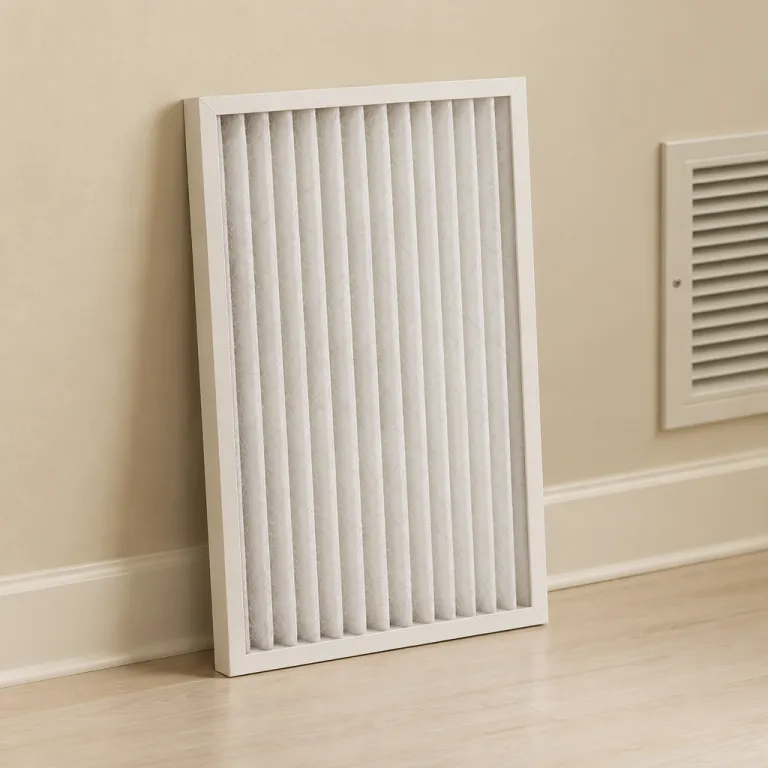
What is a 20 x 30 x 1 air filter?
Introduction to the 20 x 30 x 1 Air Filter
A 20 x 30 x 1 air filter is a specific type of furnace filter, measuring 20 inches in width, 30 inches in height, and 1 inch in thickness. This size is a standard choice for many homes and HVAC systems. These filters are critical components in maintaining the efficiency of your heating, ventilation, and air-conditioning system (HVAC). They contribute to the filtration of airborne particles, ensuring cleaner indoor air quality. 20 x 30 x 1 filters are often available with various minimum efficiency reporting values (merv ratings), allowing you to choose the filtration power that matches your needs. Higher merv ratings mean better air filtration, which can significantly impact indoor air quality by trapping allergens, bacteria, and even certain virus particles. Different brands such as filtrete and other high-quality options offer various features, potentially influencing the performance and longevity of your HVAC system. Regular filter changes are essential to maintain optimal performance, ensuring good airflow and preventing unnecessary strain on your system. Purchasing filters in bulk can be an economical choice, and resources like buying air filters in bulk here can provide further guidance on making such purchases effectively.How does an air filter improve indoor air quality?
Enhancing Indoor Air Quality with the Right Air Filter
When it comes to improving the air quality inside your house, air filters play a crucial role. They help reduce the presence of airborne particles such as allergens, bacteria, and viruses, contributing to a cleaner and healthier indoor environment. Air filters, especially those with a higher MERV rating, are designed to capture a wide range of particles that float through your home's air. These include dust, pollen, mold spores, and even some bacteria and viruses. By trapping these particles, the filters prevent them from circulating within your house and entering your lungs. A well-functioning HVAC system relies on high-quality air filters to maintain optimal performance and airflow. Regularly changing your furnace filter also ensures the system works efficiently, sustaining indoor air quality and extending the furnace's lifespan. Moreover, air filters with specific ratings like MERV, FPR, and MPR indicate their effectiveness in capturing various sizes of particles. Reading about the benefits of similar air filter sizes can provide more insight into choosing the right one for your home. Filtrete filters, for instance, are known for their ability to capture a significant amount of allergens and are often a popular choice among homeowners looking to improve air quality without compromising on airflow. Consistently maintaining and changing filters at the right time contributes significantly to ensuring clean air circulates throughout the house, ultimately keeping you and your family in good health. It is advisable to follow maintenance tips for optimal performance of your air filtration system.Choosing the right air filter for your needs
Identifying the Best Filter for Your Space
When selecting the right air filter for your home, several factors come into play. With an abundance of options available, it's crucial to understand what makes one filter stand out from another. Here are key considerations to bear in mind:- Size Matters: Ensure that the air filter you select is the correct size for your HVAC system. For instance, a 20 x 30 x 1 air filter must fit snugly to prevent unfiltered air from bypassing the filter. Improper sizing could compromise not only air quality but also system efficiency.
- Filter Performance Ratings: Examining ratings such as MERV (Minimum Efficiency Reporting Value), FPR (Filter Performance Rating), and MPR (Microparticle Performance Rating) can provide insights into the filter's efficiency at capturing various airborne particles, including allergens and bacteria. The higher the rating, the better the filter is at trapping smaller particles.
- Airflow Consideration: High-quality filters such as Filtrete or house air filters are designed to balance filtration with airflow. While higher-rated filters trap more particles, they can restrict airflow if not matched correctly to your HVAC system’s capacity. Therefore, it's important to consider how a particular filter will impact system performance and indoor air quality.
- Specific Needs: If your household has specific requirements, such as reducing allergens, targeting specific pollutants like bacteria and viruses, or facilitating clean air in a house with pets, certain filters are designed to address these issues more effectively.
- Brand Quality: Notable brands such as Filtrete offer options with proven track records for improving air quality. It's always worth exploring trusted brands known for their innovation and reliability in air filtration.
Maintenance tips for optimal performance
Ensuring Longevity and Efficiency of Your 20 x 30 x 1 Air Filter
Regular attention to maintenance can significantly impact the performance of your air filtration system, ensuring clean air in your living space. Here are vital maintenance tips to help maximize the lifespan and effectiveness of your air filters:- Regular Replacement: The efficiency of a 20 x 30 x 1 air filter can diminish over time. Change filter every 1 to 3 months, depending on the merv rating, usage, and indoor air quality needs. A high-quality furnace filter like a 3M Filtrete or FPR-rated filter can perform optimally when replaced regularly.
- Monitor Airflow: Clogged filters reduce airflow and strain the HVAC system. Check your furnace air filter monthly, especially during peak use periods. Reduced airflow can compromise the effectiveness of allergens and bacteria virus removal.
- Visual Inspection: Regularly inspect your air filters for visible dirt and debris. A white filter turning gray is an indication that it’s time to change the filter, ensuring top performance in reducing airborne particles.
- Pay Attention to Your Environment: Homes with pets or in areas of high pollution require more frequent filter changes. A targeted approach can help diminish house air contaminants, including allergen bacteria and virus air particles.
- Choose the Correct Filters: Selecting the right filter from reputable filters brands with an appropriate merv or mpr rating can enhance filter performance and indoor air quality.
Common challenges and solutions
Addressing Typical Challenges with Air Filters
Using air filters effectively can sometimes present challenges that may affect their performance and your indoor air quality. Here are some common issues and solutions:- Improper Size Fit: Selecting the correct size is crucial. A 20 x 30 x 1 air filter fit is designed for specific HVAVC system grids. If your filter doesn’t fit snugly, it can allow airborne particles to bypass the filtration system, reducing its efficiency.
- MERV Rating Mismatch: The MERV rating of a furnace air filter is a measure of its ability to capture larger particles. A high MERV rating may effectively block allergens and bacteria, but it can also restrict airflow, potentially overworking your hvac system. Ensure a balanced MERV rating that maintains airflow while enhancing air quality.
- Neglecting Regular Replacement: To maintain optimal performance, it is essential to change your air or furnace filter at the recommended intervals, typically every 1 to 3 months. Delaying this can lead to reduced air filtration and increased energy consumption. Be attentive to quality brands like Filtrete that often provide guidance on filter change frequency.
- Environmental Impact: Environmental sustainability is a concern for many filter users. Some top filters brands offer recyclable options or disposal programs to mitigate environmental consequences. Research or ask about sustainable options when choosing your system's air filters.
- Understanding FPR, MPR, and MERV: These metrics all indicate filter performance but focus on different aspects. MERV is an industry-standard, whereas FPR and MPR are proprietary metrics from specific manufacturers. Understanding these ratings will help you select the right fit for your house air quality needs.
- Tracking Indoor Air Quality: Monitor the effectiveness of your air system by occasionally testing indoor air quality. This helps verify that your allergen bacteria and virus air filtration efforts are successful. Adjust your filter type if necessary to maintain clean air.
Environmental impact and sustainability
Balancing Air Filtration with Environmental Considerations
Navigating the environmental impact of air filters involves various factors that extend beyond their immediate function. The challenge lies in maintaining optimal indoor air quality while also considering sustainability and environmental responsibility.
- Material Use and Disposal: Most air filters, including popular brands like Filtrete, are made of synthetic fibers that are effective in capturing allergens, bacteria, and viruses but may pose sustainability concerns due to their materials. Evaluating the lifecycle of air filters can reveal opportunities for improvement in terms of recyclability and biodegradability. Frequent filter change can contribute to increased waste if not managed properly.
- Energy Consumption: The efficiency of an air filtration system can directly affect the energy consumption of your HVAC system. A high MERV rating, which indicates the filter's capacity to capture smaller airborne particles, often demands more energy to maintain airflow, raising energy costs. Balancing filtration performance with energy efficiency thus becomes crucial.
- Manufacturing and Transportation: The production and distribution process of air filters involves energy use and emissions that contribute to their overall environmental footprint. Selecting local or sustainably certified products can help reduce this impact. Research on alternative materials or methods can pave the way for more sustainable choices.
- Innovation in Filter Design: Recent advancements in air filter technology are aiming to address these concerns by seeking out biodegradable materials and enhancing the lifespan of air filters without sacrificing air quality.
Addressing these elements is essential not only for environmentally conscious consumers but also for manufacturers tasked with innovating cleaner, more efficient products. As preferences lean towards sustainability, the industry is responding with options that seek to balance effective air quality management with environmental stewardship."
}