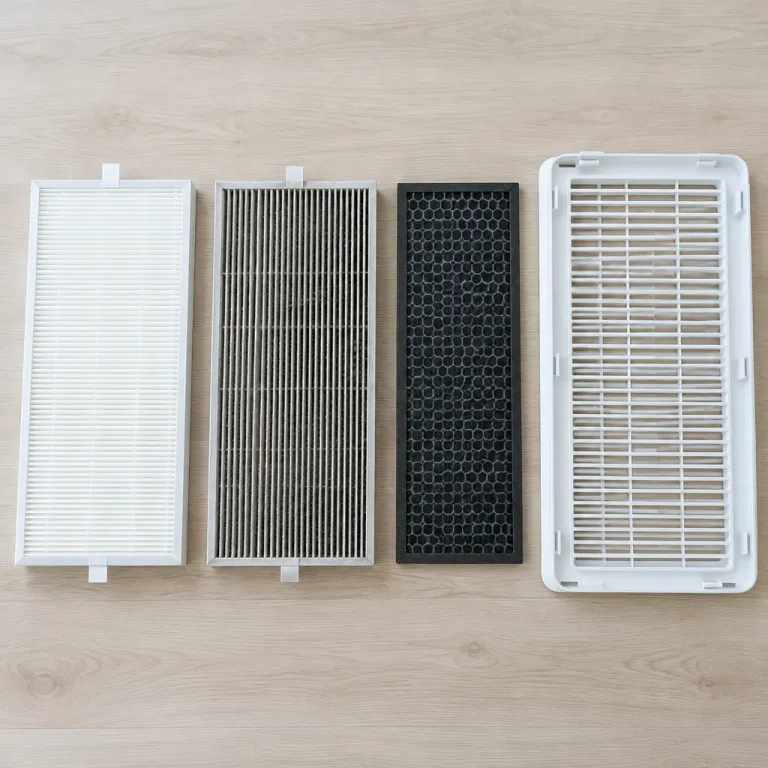
The Role of Air Purifier Filters in Indoor Air Quality
The Crucial Element in Enhancing Air Quality
Air purifier filters play a fundamental role in maintaining and improving indoor air quality. These filters are specially designed to capture and remove particles, smoke, and other contaminants from the air, making your indoor environment healthier and more comfortable. Whether you’re dealing with allergies, pollutants, or simply looking to enhance the air you breathe, understanding the different types of filters and their functions is essential.
Different filters cater to different needs. Replacement of these filters is crucial as it ensures optimal performance and longevity of your air purifier. While the True HEPA filters are celebrated for their high efficiency in capturing particles as small as 0.3 microns, carbon filters are adept at eliminating odors and smoke, enhancing overall filtration performance.
Each air purifier model entails a specific filter replacement timeline, often influenced by the unit's usage and environmental factors. Hence, it is vital to choose a suitable filter that aligns with the capacity and requirements of your specific room air purifier unit. While the unit price and price sale of air purifiers may vary, investing in high-quality, effective filters can ensure sustained air quality improvements.
The advancement of air purifier technology has made it possible to enjoy significant enhancements in air filtration capabilities. However, common misconceptions surrounding these purifier filters can sometimes cause confusion. It is a misbelief that once purchased, the purifier will require little maintenance beyond an initial setup. Regular examination and replacing the replacement filters and components such as the carbon replacement are necessary to maintain optimal air purification.
Ultimately, understanding these elements serves as a foundation for making informed decisions when purchasing air purifiers or selecting replacement filters, thus ensuring you get the best performance outcomes in purifying your indoor environment.
Types of Air Purifier Filters: A Comprehensive Guide
Different Types of Air Purifier Filters Explored
Understanding the diverse types of air purifier filters available in the market today can significantly impact your decision-making process. Filters play a crucial role in capturing pollutants and ensuring improved air quality in your room or home. Here's a comprehensive overview:- HEPA Filters: Known for capturing at least 99.97% of particles that are 0.3 microns or larger, true HEPA filters are a standard in high-performance air purifiers. They're particularly effective against dust, pollen, and smoke, making them ideal for those who suffer from allergies.
- Activated Carbon Filters: These filters excel in adsorbing odors, gases, and smoke. They contain porous carbon that traps chemical pollutants. Although not as effective at trapping particles as HEPA filters, they complement other filtration systems well.
- Pre-Filters: Often the first line of defense, pre-filters capture larger particles like pet hair and dust, extending the life of more sensitive filters like HEPA units.
- UV-C Light Filters: By using ultraviolet light, these filters aim to eliminate bacteria and viruses. However, they are typically supplementary to other filtration methods due to their specific scope of action.
- Ionic Filters: These purifiers emit charged ions to bond with pollutants, causing them to fall from the air. Though beneficial, they can sometimes produce ozone, which may be a concern for some users.
Considering the Costs and Benefits
Different filters and filter combinations can influence the unit price and maintenance costs. For instance, regular price HEPA filters might demand a heftier investment initially, but their enduring high efficiency might justify the cost over time. Carbon replacement filters also come into play when assessing long-term maintenance needs. When purchasing, you might encounter sale price models that offer cost savings, yet it's essential to consider not just the purchase price but ongoing costs associated with replacement filters. Filter choice can greatly impact the effectiveness and overall performance of your air purifier. Recognizing these distinctions can guide you towards making an informed decision. Explore more on the importance of filter replacement to ensure your purifier operates at its best.How to Choose the Right Air Purifier Filter for Your Needs
Selecting the Perfect Filter for Your Space
Choosing the right air purifier filter is essential to ensure effective purification tailored to your specific needs. The air purifier market offers a diverse range of filters, each designed to tackle different air quality concerns. To make an informed decision, consider the following factors:
- Identify Your Primary Concerns: Are you dealing with allergens, smoke, or general air pollution? Understanding your priority will help in selecting the right unit for your environment. For example, HEPA filters are known for removing small particles, making them ideal for allergy sufferers.
- Match the Filter Type to Needs: While HEPA filters are excellent for capturing small particles, activated carbon filters excel in odor and smoke removal due to their absorption properties.
- Consider Long-term Costs: It’s essential to factor in the regular price and ongoing price of replacement filters, as these can impact the total cost of owning an air purifier. Look into the price sale versus regular price to optimize your investment.
- Room and Unit Size: Different air purifiers are designed for different room sizes. Ensure the model you choose can effectively purify the space of the room air you intend to place it in.
- Assess the CADR Ratings: The Clean Air Delivery Rate (CADR) measures the volume of air that the purifier can clean per minute. A higher CADR indicates a unit’s high performance in removing pollutants from the air.
When evaluating purifiers, remember that the perfect purifier filter aligns with your lifestyle and environmental needs. Choosing correctly will enhance the air quality in your home and ensure the filtration system is working at its best.
For additional insights into choosing the right purifier, explore our guide on how air purifiers like Aerus Air Purification Systems can meet various air quality challenges.
Maintaining Your Air Purifier Filter for Optimal Performance
Ensuring Optimal Performance with Consistent Upkeep
Maintaining your air purifier filter is essential for its continued high performance and the effective purification of indoor air. A well-maintained unit not only enhances air quality but also extends the life of the purifier, ensuring you get the most out of your investment.
Here are some practical tips to keep your air purifier in peak condition:
- Regular Inspection: Regularly check for visible dirt and dust on the filter. Dust build-up is common, especially if your unit is placed in rooms with high foot traffic or smoke exposure.
- Timely Replacement: Different filters have varying lifespans. For instance, a true hepa filter needs a replacement every 12 months, whereas a carbon replacement filter might need more frequent changes. Monitoring the unit price and sale price of replacement filters can help you plan replacements without breaking the bank.
- Ensuring Comprehensive Filtration: For models equipped with multiple filter types, like hepa and carbon filters, ensure both are functioning well. The concerted effort of these filters makes purifiers exceptional at removing particles, including allergens and smoke.
- Avoid Overloading: While the importance of having air purifiers cannot be understated, ensure you're using the right model for your room size. An overloaded unit might struggle to maintain effective filtration.
- Follow Manufacturer's Guidelines: Always adhere to the manufacturer's instructions regarding the filter maintenance schedule and exact replacement cycles. This ensures both the continued warranty of the sold unit and its optimal functioning.
By following these practices, you'll help ensure your purifier filters remain effective, providing you with cleaner, healthier air. Investing in proper upkeep is crucial as it ultimately leads to the prolonged efficiency of both the filters and the purifier unit.
Common Misconceptions About Air Purifier Filters
Debunking Common Myths Related to Air Purifier Filters
When considering an air purifier, one might encounter several myths regarding the filters. Understanding these misconceptions can help make informed decisions when browsing for options, whether focused on high-performance models or affordable alternatives.- HEPA Filters Need Frequent Replacement: A frequent concern is that HEPA filters require constant changing. While it's true they need frequent replacement to maintain air quality, the "regular price" for replacement filters is designed to be affordable over time. Regular checks and replacements ensure optimal performance, not unnecessary expense.
- Carbon Filters Are Redundant: The belief that carbon filters are unnecessary could undervalue their importance in capturing smoke and gaseous particles. Integrated within many units, carbon filters enhance filtration, cooperating with HEPA filters for comprehensive air purification. Selecting the right model that includes a carbon replacement feature can optimize air quality in different rooms.
- More Expensive Filters Are Always Better: Price doesn't always assure higher quality. Many air purifiers sold emphasize "true HEPA" filters over regular filters at a beneficial price-sale rate during certain promotions, achieving almost the same filtration efficiency. Balancing the "sale price" and "performance" might lead to a better investment than equating a higher price with efficiency.
- One-Size-Fits-All Filters Are Effective: Different "model" air purifiers cater to various room sizes and particles. A purifier suitable for a small bedroom may not purify a living space with the same efficiency. Pay attention to the unit's specifications about appropriate room size.
The Future of Air Purifier Filter Technology
Emerging Technologies in Air Purifier Filters
As we progress with advanced technologies, air purifier filters are continually being refined to offer even more effective cleaning solutions. These innovations are not only enhancing the performance and capability of air purifiers but also becoming more accessible to a variety of users due to varying price ranges.
One of the key advancements is the development of high-performance HEPA (High-Efficiency Particulate Air) filters. True HEPA filters are engineered to capture up to 99.97% of particles as small as 0.3 microns, including some smoke and allergens. This makes them particularly effective for maintaining clean indoor air quality in homes and offices.
Additionally, we see a rise in the application of activated carbon filters which excel at removing odors and gaseous pollutants. As people become more conscious of indoor air quality, models incorporating both HEPA and carbon elements are increasingly popular. These filters provide comprehensive filtration by managing particulate matter and volatile organic compounds (VOCs).
Smart technology integration is another exciting trend. Modern units now come equipped with sensors that monitor air quality in real-time, prompting automatic adjustments for optimal performance. This not only enhances the filtration efficiency but also helps in energy conservation, as the purifier only works as hard as needed to maintain air quality.
Furthermore, environmentally friendly options are emerging, focusing on sustainable materials for replacements and designs that encourage longer filter life. The market is also observing a reduction in regular price and an increase in the number of air purifiers available for sale at competitive prices, making high-quality air filtration more accessible than ever.
For consumers, these innovations mean that finding a purifier filter that meets specific needs, whether it's affordability, size of the room, or dealing with particular pollutants, is more achievable. To keep track of the ongoing developments and ensure the longevity of your purifier’s efficiency, staying updated with the importance of regular filter replacements is critical.