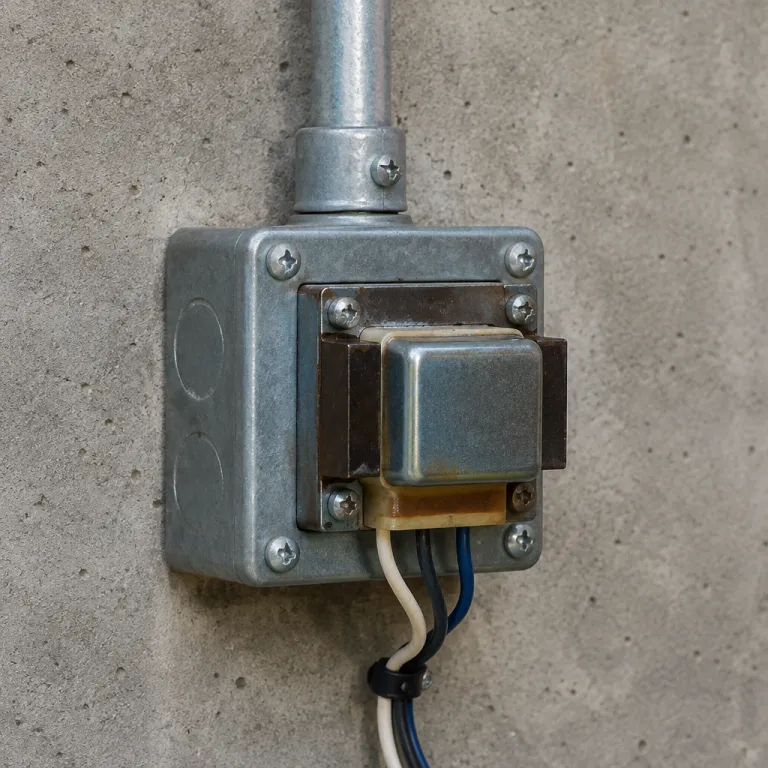
What is a doorbell transformer and why does it hum
How a Doorbell Transformer Works and Why It Makes Noise
A doorbell transformer is a small electrical device that converts your home's high-voltage power supply to a lower voltage suitable for your wired doorbell system. This step-down in voltage is essential for safely operating doorbell chimes, video doorbells, and other related equipment. Most transformers are installed near your main electrical panel, basement, or utility room, but their location can vary depending on your home's layout.
When you hear a humming or buzzing noise coming from your doorbell transformer, it’s usually the result of the transformer’s internal components vibrating as they handle electrical current. This mechanical noise is a byproduct of the alternating current passing through the transformer’s coils and core. In many cases, a faint hum is considered normal, especially in older models or in locations where the transformer is mounted on certain materials that amplify sound.
- Humming noise: Often described as a low, steady sound, this is common in many electrical components, including transformers.
- Buzzing sound: A louder or irregular buzzing may indicate a potential issue with the transformer or the doorbell system.
- Location matters: Transformers mounted on metal or hollow walls can transmit and amplify noise, making it more noticeable.
Understanding the source of transformer noise is the first step in determining whether your doorbell system is functioning as it should. If you’re interested in learning more about how doorbell chimes and transformers work together to enhance your home security, you can read this guide to door bells and chimes.
Normal versus abnormal humming sounds
Recognizing the Difference Between Acceptable and Concerning Noises
When it comes to your doorbell transformer, a certain level of humming or buzzing is often considered normal. This is especially true for older wired doorbell systems or transformers installed in areas with high electrical activity. The hum is typically a low, steady sound caused by the vibration of internal components as electrical current passes through. However, not all transformer noise should be ignored.
- Normal humming: A faint, consistent hum or buzzing sound is common in many transformers. This is usually due to the alternating current and the mechanical vibration of the transformer's laminated core. Most of the time, this noise is barely noticeable and does not indicate a problem with your doorbell system.
- Abnormal buzzing: If the buzzing noise becomes louder, changes in pitch, or is accompanied by a vibrating sensation in the wall or transformer casing, it may signal an issue. Unusual sounds can result from loose mounting, worn electrical components, or excessive power draw from connected devices like video doorbells or multiple doorbell chimes.
Location and materials also play a role in how noticeable the transformer noise is. For example, transformers mounted on thin walls or near living spaces can transmit sound more easily, making even a normal hum seem disruptive. In contrast, equipment installed in basements or utility rooms may go unnoticed unless the noise becomes excessive.
It's important to distinguish between a harmless hum and a buzzing sound that could indicate a problem. If you notice a sudden increase in transformer buzzing or if the sound is accompanied by heat, flickering lights, or issues with your doorbell chime, further investigation is needed. For more on reducing unwanted noise and improving your home's security, check out this guide on enhancing home safety with advanced door security devices.
Potential risks of a humming transformer
Understanding the Dangers of Persistent Transformer Noise
While a faint hum from your doorbell transformer is often considered normal, a persistent or loud buzzing sound can signal underlying issues. Ignoring these noises may lead to more serious problems within your wired doorbell system. Here’s what you should know about the potential risks associated with a humming or buzzing transformer:
- Electrical Overheating: Excessive humming noise may indicate that the transformer is working harder than it should, possibly due to a faulty doorbell chime, overloaded power supply, or aging electrical components. Overheating can damage the transformer and other parts of your system.
- Fire Hazard: In rare cases, a buzzing transformer can overheat to the point where it becomes a fire risk, especially if the wiring or insulation materials are compromised. This is particularly concerning if the transformer is located in a concealed area where heat can build up unnoticed.
- System Malfunction: A transformer that produces abnormal noise may not be delivering consistent power to your doorbell chimes or video doorbell. This can result in missed alerts, delayed chimes, or even a complete loss of function in your doorbell system.
- Electrical Interference: Persistent buzzing or humming can sometimes interfere with other nearby electrical equipment, causing additional noise or performance issues in your home’s electrical system.
It’s important to distinguish between a hum that is normal and one that signals trouble. If you notice a sudden change in the volume or type of noise—such as a shift from a gentle hum to a loud buzzing sound—this could be a sign that your transformer or other electrical components need attention. For more on how doorbell systems work and how motion sensors can impact their performance, you can read about the role of door motion sensors in Ring doorbells.
Addressing transformer noise early can help you avoid costly repairs, reduce the risk of equipment failure, and maintain a quiet, efficient doorbell system.
Troubleshooting steps for a humming doorbell transformer
Step-by-step guide to address humming and buzzing issues
If your doorbell transformer is producing a humming or buzzing noise, it’s important to systematically troubleshoot the issue. Here’s a practical approach to help you identify and resolve the source of the sound:- Check the power supply: Ensure your transformer is receiving the correct voltage. Use a multimeter to verify the input and output. An incorrect power supply can lead to transformer buzzing or humming noise.
- Inspect wiring connections: Loose or corroded wires in your doorbell system can cause electrical noise. Tighten all connections and replace any damaged wires to reduce buzzing sound.
- Evaluate the transformer location: Sometimes, the placement of the transformer amplifies mechanical vibrations. If possible, relocate the transformer to a more stable surface or use noise reducing materials between the transformer and mounting surface.
- Test the doorbell chime and button: A stuck or faulty doorbell button can keep the circuit engaged, causing continuous humming. Press the button several times and listen for changes in the noise. Replace the button if needed.
- Disconnect the chime: Temporarily disconnect the doorbell chime. If the humming stops, the issue may be with the chime or its electrical components. Consider replacing or repairing the chime unit.
- Assess for overloaded equipment: Adding video doorbells or extra doorbell chimes to a system designed for a basic wired doorbell can overload the transformer, resulting in buzzing humming sounds. Check the transformer’s rating and compare it to your system’s power requirements.
When troubleshooting isn’t enough
If these steps do not resolve the buzzing transformer or humming noise, the transformer itself may be failing. Transformers can wear out over time, especially if exposed to power surges or if they are undersized for the current doorbell system. In such cases, replacing the transformer is the safest solution to eliminate persistent noise and ensure reliable operation of your doorbell equipment. Remember, working with electrical components carries risks. If you’re unsure or uncomfortable performing these steps, consult a licensed electrician to avoid potential hazards.When to replace your doorbell transformer
Signs It’s Time to Replace Your Transformer
A humming or buzzing sound from your doorbell transformer can be normal, but persistent or loud noises may indicate a problem. If you’ve already tried troubleshooting steps—like checking for loose wires, inspecting the power supply, or relocating the transformer to reduce mechanical noise—and the buzzing or humming continues, replacement might be necessary.- Consistent buzzing or humming: If the noise doesn’t stop after addressing wiring or location issues, the transformer may be failing.
- Doorbell chime issues: If your wired doorbell or chime isn’t working properly, or you notice intermittent power, the transformer could be at fault.
- Visible wear or overheating: Signs of damage, excessive heat, or a burning smell from the transformer are clear indicators it’s time for a new one.
- Old equipment: Transformers, like all electrical components, have a lifespan. If yours is several years old, replacement can prevent future problems.
Choosing and Installing a New Transformer
When selecting a replacement, make sure the new transformer matches the voltage and power requirements of your doorbell system. Using the wrong type can cause buzzing noise, transformer buzzing, or even damage your doorbell chimes. Always follow safety guidelines and, if unsure, consult a licensed electrician to handle electrical materials and installation.What to Expect After Replacement
A new transformer should eliminate abnormal humming noise and restore quiet operation to your doorbell system. If you still hear buzzing humming or experience issues with your doorbell chime, double-check the wiring and the compatibility of your equipment. Proper installation and regular maintenance can help keep your doorbell system running smoothly and quietly for years.Tips for maintaining a quiet and efficient doorbell system
Simple habits for a quieter doorbell system
- Regularly inspect your equipment: Check the doorbell transformer, chime, and wiring for dust, corrosion, or loose connections. Mechanical wear or damaged electrical components can increase humming or buzzing noise over time.
- Secure mounting: Make sure the transformer and chime are firmly attached to the wall or mounting surface. Vibrations from loosely mounted transformers often amplify buzzing sounds throughout the house.
- Choose the right location: If possible, install the transformer away from quiet rooms or bedrooms. Placement can make a big difference in how much transformer noise you hear.
- Use quality materials: When replacing parts, opt for high-quality transformers and wiring. Inferior materials can cause more humming buzzing and may not last as long.
- Monitor power supply: Fluctuations in electrical power can cause a buzzing transformer or doorbell chime. If you notice frequent changes in the buzzing sound, consider having an electrician check your home’s electrical system.
- Keep it clean: Dust and debris can collect inside the chime or transformer, affecting performance and increasing noise. Gently clean these components during routine home maintenance.
- Noise reducing options: Some homeowners add rubber pads or insulation behind the transformer or chime to absorb vibrations and reduce buzzing noise.
- Stay informed: Keep up with manufacturer updates or posts about your doorbell system. Newer models or accessories may offer improved noise control or mechanical design.
By following these habits, you can help maintain a quiet, efficient wired doorbell system and minimize unwanted humming or buzzing. If you notice persistent or worsening transformer buzzing, it may be time to revisit troubleshooting steps or consider a replacement to keep your doorbell system running smoothly.