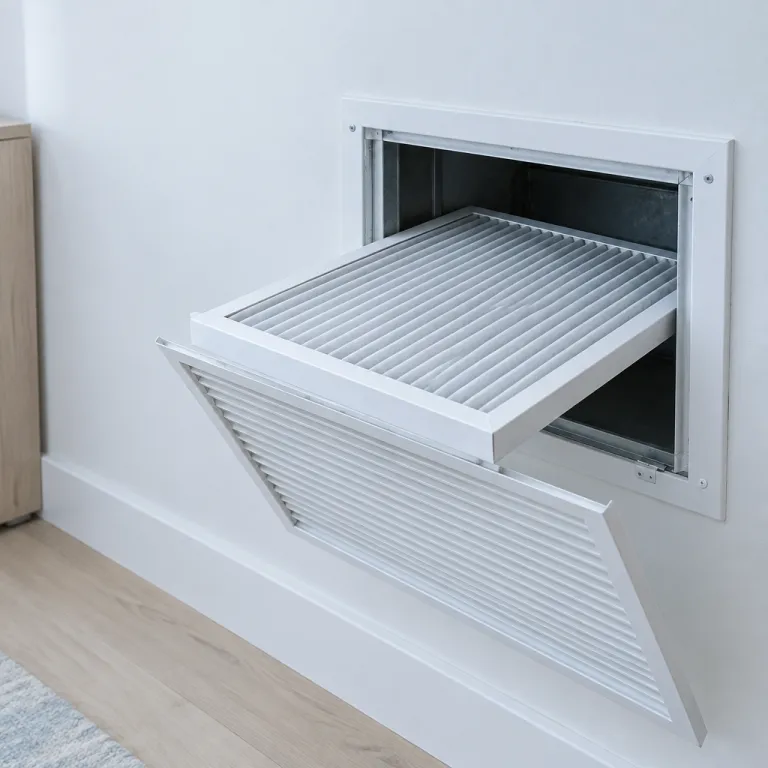
Understanding the importance of air conditioner filters 20x25x1
Why Your Air Conditioner Filter Matters for Indoor Air Quality
Many people overlook the importance of the air conditioner filter, especially the common 20x25x1 size, in maintaining healthy indoor air. The filter is not just a barrier for dust; it plays a critical role in trapping airborne particles like pollen, pet dander, lint, and even mold spores. These particles can impact your air quality and, over time, affect your health and the efficiency of your air conditioning or furnace system.
How Filters Protect Your System and Your Health
Every time your air conditioning or furnace runs, air passes through the filter. A quality air filter with the right MERV rating or MPR/FPR rating system captures a range of particles, from large dust to microscopic allergens. This filtration helps prevent dust and debris from building up inside your system, which can lead to costly repairs and reduced system lifespan. At the same time, it keeps indoor air cleaner for you and your family.
- Reduces airborne particles: Filters trap dust, pollen, and pet dander, improving indoor air quality.
- Protects your HVAC system: Clean filters prevent dust buildup, helping your system run efficiently.
- Supports allergy management: High-efficiency filters can reduce allergens and irritants in the air.
What Happens If You Neglect Your Air Filter?
Ignoring your air filter can lead to poor air quality, increased dust in your home, and even higher energy bills. A clogged filter restricts airflow, forcing your system to work harder. This not only reduces comfort but can also shorten the life of your furnace or air conditioning unit. Experts recommend checking your filter every 30 to 90 days, depending on usage, pets, and local air quality.
For a step-by-step guide on how to keep your system running efficiently and your air clean, see these simple steps to install your furnace filter for cleaner air.
Different types of air conditioner filters explained
Common Filter Materials and Their Benefits
When looking at air conditioner filters in the 20x25x1 size, you’ll find several types, each with unique features for improving indoor air quality. The material and design of a filter directly affect its ability to capture dust, pollen, pet dander, and other airborne particles. Here’s a breakdown of the most common filter types you’ll encounter:
- Fiberglass Filters: These are the most basic and affordable options. They’re designed to protect your air conditioning system from large particles like lint and dust, but they don’t offer high filtration efficiency for smaller particles. If you want to learn more about the importance of replacing these filters, check out this guide on filter replacement.
- Pleated Filters: Made from polyester or cotton paper, pleated filters have a larger surface area, which helps trap more dust, pollen, and pet dander. Their MERV rating is usually higher than fiberglass, making them a better choice for those concerned about air quality and allergies.
- Electrostatic Filters: These filters use static electricity to attract and capture airborne particles. They can be disposable or washable, and are effective at trapping smaller particles like mold spores and smoke.
- HEPA Filters: While not always available in the 20x25x1 size for standard HVAC systems, HEPA filters are known for their high efficiency in removing up to 99.97% of particles as small as 0.3 microns. They’re ideal for homes with allergy sufferers or pets, but always check compatibility with your system.
Understanding Filter Ratings: MERV, MPR, and FPR
Filter performance is often measured using rating systems like MERV (Minimum Efficiency Reporting Value), MPR (Microparticle Performance Rating), and FPR (Filter Performance Rating). These ratings indicate how well a filter captures particles of different sizes. A higher MERV or MPR rating generally means better filtration, but it’s important to balance efficiency with your system’s airflow needs. Overly dense filters can restrict airflow and strain your furnace or air conditioning system.
Choosing the Right Filter for Your Needs
When selecting an air filter, consider the specific needs of your household. Do you have pets? Are allergies a concern? Is dust or pollen a major issue in your area? The answers will help you decide which filter type and rating system best matches your indoor air quality goals. Remember, the actual size of the filter should match your system’s requirements for proper fit and performance.
How to choose the best filter for your needs
Key factors to consider when selecting your air filter
When choosing an air conditioner filter 20x25x1, it’s important to match the filter to your specific needs and your system’s requirements. The right filter can make a noticeable difference in your indoor air quality, reducing airborne particles like dust, pollen, pet dander, and even mold spores. Here’s what you should keep in mind:
- Filter size: Always check the actual size printed on your current filter or in your system’s manual. Using the wrong size can reduce filtration efficiency and even damage your air conditioning or furnace system.
- Filtration group and rating systems: Filters are rated by MERV (Minimum Efficiency Reporting Value), MPR (Microparticle Performance Rating), and FPR (Filter Performance Rating). These rating systems help you compare how well filters capture different sizes of particles. For example, a higher MERV rating means better filtration of smaller particles, but it’s important to ensure your system can handle higher-rated filters without restricting airflow.
- Type of airborne particles: Consider what you want to filter out. If you have pets, look for filters that specifically mention pet dander and dust. For allergies, filters that capture pollen, lint, and dust pollen are ideal. If mold spores or smoke are concerns, opt for filters with higher ratings.
- Indoor air quality needs: Households with allergies, asthma, or respiratory sensitivities may benefit from filters with higher MERV or MPR ratings. However, for most homes, a filter in the MERV 8 to 13 range balances air quality and system performance.
- Replacement frequency: Check the manufacturer’s recommendation for how often to change your filter. Some filters last 30 days, while others can go up to 90 days. If you notice a drop in air quality or see visible dust buildup, it’s time to change your air filter.
Remember, the best filter for your home is one that fits your system, meets your air quality needs, and is changed regularly. If you’re interested in advanced filtration options, such as UV sterilization, you can learn more about how a UV sterilizer wand can improve your indoor air quality.
Understanding MERV ratings and filter efficiency
What MERV, MPR, and FPR Ratings Really Mean
When you’re shopping for air filters, you’ll notice a few different rating systems on the packaging: MERV, MPR, and FPR. These ratings help you understand how well a filter can capture airborne particles like dust, pollen, pet dander, and mold spores. The higher the rating, the better the filtration—but it’s important to know what each system measures.
- MERV (Minimum Efficiency Reporting Value): This is the most widely used rating system. MERV ratings range from 1 to 16. A higher MERV rating means the filter can trap smaller particles, improving indoor air quality. For most homes, a MERV rating between 8 and 13 is recommended, as it balances filtration and airflow for your air conditioning or furnace system.
- MPR (Microparticle Performance Rating): Used mainly by one major filter brand, MPR focuses on capturing particles smaller than 1 micron, such as smoke and bacteria. The higher the MPR, the more effective the filter is at trapping tiny airborne particles.
- FPR (Filter Performance Rating): This system is exclusive to a large home improvement retailer. FPR rates filters on a scale from 4 to 10, with higher numbers indicating better filtration of dust, pollen, and pet dander.
Choosing the Right Rating for Your Needs
It’s tempting to buy the filter with the highest rating, but that’s not always the best choice for every home. High MERV filters (13 and above) can restrict airflow in some systems, especially if your HVAC isn’t designed for them. This can put extra strain on your furnace or air conditioning system, reducing efficiency and potentially causing damage over time.
Consider your household’s needs. If you have pets, allergies, or live in an area with high pollen, a filter with a MERV rating of 11 or 12 can help capture more pet dander, pollen, and dust. For most homes, a MERV 8 filter is sufficient for everyday dust and lint. Always check your system’s manual for the recommended filter size and maximum MERV rating.
How Ratings Impact Air Quality and Filter Life
Filters with higher ratings trap more particles, which can improve indoor air quality but may also fill up faster. This means you’ll need to change them more often—sometimes every 30 to 60 days, depending on usage and air quality. If you notice more dust or allergy symptoms, or if it’s been several days ago since your last change, it might be time to replace your air filter.
Remember, the actual size of your filter matters too. A filter that fits poorly won’t perform as well, no matter its rating. Always use the correct size for your system to ensure the best filtration and airflow.
| Rating System | Range | Best For |
|---|---|---|
| MERV | 1-16 | General air quality, dust, pollen, pet dander, mold spores |
| MPR | 300-2800 | Microparticles, smoke, bacteria |
| FPR | 4-10 | Dust, pollen, pet dander |
Proper installation and maintenance tips
Getting the Most Out of Your Air Conditioner Filter
To maintain high indoor air quality, it’s essential to install and care for your air conditioner filter properly. Even the best filter with a high MERV rating or MPR won’t perform well if it’s not fitted or maintained as recommended. Here’s how you can ensure your system works efficiently and keeps airborne particles like dust, pollen, and pet dander at bay.
- Check the actual size: Filters labeled as 20x25x1 may have a slightly different actual size. Always compare the filter’s measurements with your system’s requirements to avoid gaps that let particles through.
- Install with the airflow arrow: Most air filters have an arrow indicating the direction of airflow. Make sure this arrow points toward the furnace or air conditioning unit, not away from it.
- Seal the edges: A snug fit prevents unfiltered air from bypassing the filter. If the filter is loose, airborne particles like lint, dust, and mold spores can slip past, reducing filtration quality.
- Replace on schedule: Most filters should be changed every 30 to 90 days, depending on the MERV rating, filter type, and your home’s needs. Homes with pets, smokers, or high dust levels may need more frequent changes. Mark your calendar or set a reminder based on when you last changed the filter—don’t rely on memory from days ago.
- Inspect for damage: Before installing, check for tears or bends. Damaged filters can’t trap particles effectively and may impact your system’s efficiency.
- Keep the area clean: Dust and debris around the filter slot can get pulled into the system. Wipe down the area during each filter change to support better air quality.
Proper installation and maintenance not only improve filtration but also help your furnace air or air conditioning system run more efficiently. This can extend the life of your equipment and keep your indoor air cleaner, especially if you’re concerned about pollen, pet dander, or other airborne particles. Remember, a well-maintained filter is your first line of defense against poor air quality.
Signs it’s time to replace your air conditioner filter
Recognizing When Your Air Filter Needs Replacing
Keeping your air conditioning and furnace system running efficiently depends on timely filter changes. A clogged or old filter can reduce indoor air quality, lower filtration efficiency, and even strain your HVAC system. Here are some clear signs that it’s time to change your air filter:
- Visible dust and debris: If you notice a buildup of lint, dust, or pet dander on the filter surface, it’s likely overdue for replacement. Excess dust around vents or on furniture can also be a clue.
- Reduced airflow: When airflow from your vents feels weaker than usual, a clogged filter may be restricting air movement. This can impact both comfort and system performance.
- Increased allergy symptoms: If you or others in your home experience more sneezing, coughing, or allergy flare-ups, airborne particles like pollen, mold spores, and pet dander may be circulating due to a saturated filter.
- Long time since last change: Most filters, especially those with a MERV rating between 8 and 13, should be replaced every 60 to 90 days. Homes with pets or high dust levels may need more frequent changes. If you can’t remember the last time you changed your filter, it’s probably time.
- Unpleasant odors: Persistent musty or dusty smells can signal that your filter is no longer trapping particles effectively.
Pay attention to the actual size of your filter (such as 20x25x1) and the rating system you use, whether it’s MERV, MPR, or FPR. Higher efficiency filters may need to be checked more often, especially in homes with pets or high pollen counts. Regularly checking your filter not only helps maintain good air quality but also protects your system from unnecessary wear.
For more on how to select the right filter and understand ratings like MERV, MPR, and FPR, review earlier sections of this guide. Consistent filter changes are a simple step to ensure cleaner, healthier indoor air and a longer-lasting HVAC system.