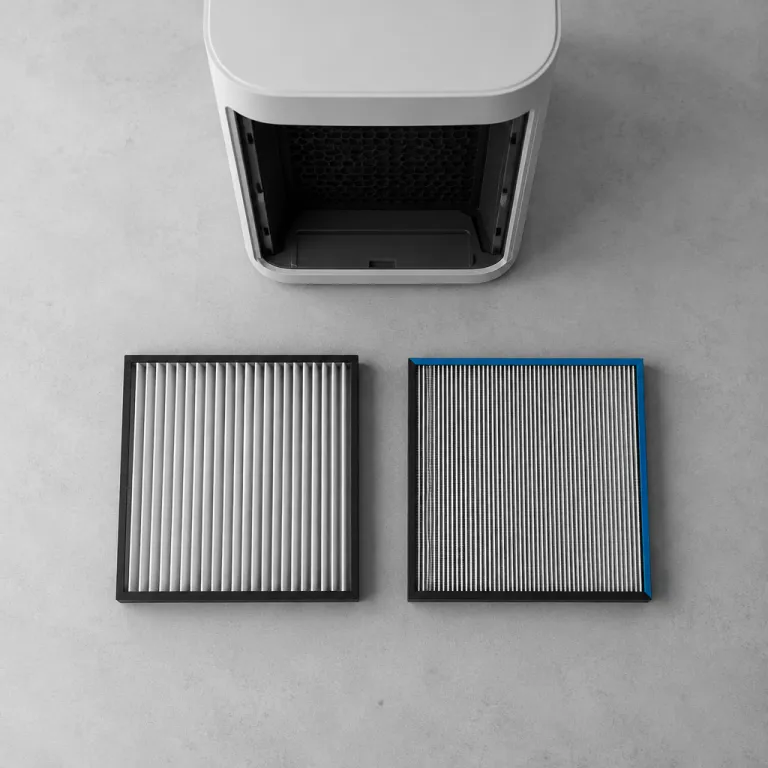
What do fpr and merv ratings mean?
Breaking Down Air Filter Rating Systems
When searching for the best air filters for your home or office, you’ll quickly come across a range of rating systems. The most common are FPR (Filter Performance Rating), MERV (Minimum Efficiency Reporting Value), and MPR (Microparticle Performance Rating). Each of these systems helps you understand how well a filter can capture dust, particles, and other contaminants from the air. But what do these ratings really mean, and how do they impact your indoor air quality?
- MERV rating: This is the industry standard for measuring a filter’s ability to trap particles. MERV ratings range from 1 to 20, with higher numbers indicating better filtration performance. MERV filters are commonly used in HVAC systems and furnace filters to improve air quality by capturing smaller and smaller particles as the rating increases.
- FPR: Developed by a major home improvement retailer, the Filter Performance Rating (FPR) uses a scale from 1 to 10. It’s designed to help consumers compare filters based on their ability to capture dust, pollen, and other airborne particles. FPR is mostly found on certain brands of air filters.
- MPR: The Microparticle Performance Rating (MPR) is another proprietary system, focusing on a filter’s ability to capture particles smaller than one micron. MPR is often used for furnace filters and HVAC systems, especially in homes where air quality is a top concern.
Understanding these rating systems is key to choosing the right air filter for your needs. Each system measures filtration performance differently, but all aim to help you improve indoor air quality by selecting filters that capture the most harmful particles. For a deeper dive into how air purifiers and air scrubbers compare in their filtration capabilities, check out this guide on air scrubbers vs air purifiers.
As you continue your search for the best filter, keep in mind that the right choice depends on your specific air quality needs, the type of HVAC system or furnace you have, and the types of particles you want to capture. The next sections will help you compare FPR 5 to MERV ratings, clear up common misconceptions, and guide you toward the best filter for your space.
How fpr 5 compares to merv ratings
Comparing FPR 5 and MERV Ratings: What You Need to Know
When shopping for air filters, you’ll often see different rating systems like FPR, MERV, and MPR. Each system helps you understand how well a filter can capture particles and improve indoor air quality, but they use different scales and criteria. Let’s break down how FPR 5 stacks up against MERV ratings, and what that means for your home’s air filtration performance.
- FPR (Filter Performance Rating): This system, used by some major retailers, rates filters on a scale from 1 to 10. FPR 5 is considered a mid-range filter, capturing common household dust, pollen, and lint. It’s a quick way to gauge a filter’s general effectiveness, but it’s not as detailed as other rating systems.
- MERV (Minimum Efficiency Reporting Value): MERV ratings range from 1 to 16 for residential filters, with higher numbers indicating better filtration. MERV 8, for example, captures more and smaller particles than MERV 6. MERV ratings are widely recognized in the HVAC industry and are often used for furnace filters and air purifiers.
So, how does FPR 5 compare to MERV? Generally, an FPR 5 filter is similar in performance to a MERV 8 filter. Both are effective at capturing larger particles like dust, pollen, and pet dander, but may not trap the smallest airborne contaminants. If you’re concerned about finer particles or allergens, you might want to look for filters with higher MERV ratings or consider HEPA filters for the best air quality.
| Rating System | Typical Range | FPR 5 Equivalent | Particles Captured |
|---|---|---|---|
| FPR | 1 - 10 | 5 | Dust, pollen, lint |
| MERV | 1 - 16 | 8 | Dust, pollen, mold spores |
| MPR | 300 - 2200 | 600 - 800 | Similar to FPR 5/MERV 8 |
It’s important to note that while these rating systems aim to help you choose the right air filter, they aren’t always directly interchangeable. Each system tests for different particle sizes and uses its own criteria. For a deeper dive into how advanced air purifiers, like those with U17 ratings and ozone features, fit into this landscape, check out this comprehensive guide on U17 air purifiers with ozone.
Understanding these differences can help you make a more informed decision about which filter will work best for your HVAC system, furnace, or air purifier. The right choice depends on your specific needs, the types of particles you want to capture, and the level of air quality you’re aiming for in your home.
Why filter ratings are important for indoor air quality
How Filter Ratings Impact Your Indoor Air
Filter ratings like MERV, FPR, and MPR are more than just numbers—they directly affect the air quality in your home or office. These rating systems help you understand how well a filter can capture particles such as dust, pollen, pet dander, and even some bacteria. The higher the rating, the more effective the filter is at trapping smaller particles, which means cleaner air for you and your family.
- MERV rating: Measures a filter's ability to capture particles between 0.3 and 10 microns. Higher MERV filters can trap finer particles, improving overall air quality.
- FPR and MPR: These are alternative rating systems used by different brands, but they serve a similar purpose—helping you compare filter performance and choose the best option for your needs.
Choosing the right air filter or furnace filter isn’t just about blocking visible dust. It’s about improving the performance of your HVAC system and protecting your indoor air from pollutants that can impact health. A filter with a high enough rating can help reduce allergy symptoms and keep your air system running efficiently.
However, it’s important to remember that not every home needs the highest rated filter. Using a filter that’s too restrictive for your HVAC system can actually reduce performance. That’s why understanding the differences between rating systems and what they mean for your specific environment is key.
For a closer look at how advanced filtration technologies are showcased and how they can benefit your indoor air, check out this article on cutting-edge air filtration technology.
Common misconceptions about filter ratings
Misunderstandings About Air Filter Ratings
When shopping for air filters or considering upgrades to your HVAC system, it’s easy to get confused by the different rating systems like MERV, FPR, and MPR. Many people assume these ratings are interchangeable or that a higher number always means better performance. However, the reality is more nuanced.
- Assuming All Ratings Are the Same: MERV, FPR, and MPR are separate rating systems developed by different organizations. For example, MERV (Minimum Efficiency Reporting Value) is a widely recognized standard for measuring how well a filter captures particles of various sizes. FPR (Filter Performance Rating) is used by certain retailers, while MPR (Microparticle Performance Rating) is another proprietary system. These ratings do not always align directly, so comparing a MERV rating to an FPR or MPR isn’t always straightforward.
- Believing Higher Ratings Are Always Better: While a higher MERV or FPR rating generally means better filtration, it doesn’t automatically mean it’s the best choice for every system. Some HVAC systems, especially older ones, may struggle with high-efficiency filters, leading to reduced airflow or increased strain on the furnace. It’s important to balance filtration needs with your system’s capabilities.
- Overlooking Particle Size Differences: Not all filters are designed to capture the same types of particles. For instance, a filter with a high MERV rating might capture more dust and pollen, but not all are equally effective against smaller particles like smoke or bacteria. Understanding what each rating measures helps you choose the right filter for your indoor air quality goals.
- Ignoring Manufacturer Recommendations: Some believe upgrading to the highest-rated filter is always best, but manufacturers often specify the maximum filter rating your HVAC or furnace system can handle. Ignoring these guidelines can reduce system performance or even cause damage over time.
By understanding the differences and limitations of each rating system, you can make more informed decisions about which air filters will deliver the best performance and air quality for your home. Remember, the right choice depends on your specific needs, the types of particles you want to capture, and your system’s compatibility with various filter ratings.
Choosing the right filter for your needs
Factors to Consider When Selecting a Filter
Choosing the right air filter for your home or office can feel overwhelming with so many rating systems like FPR, MERV, and MPR. Each rating system measures how well a filter captures particles, but your decision should be based on your specific needs, the type of HVAC or furnace system you have, and your indoor air quality goals.
- Type of Particles: If you’re mainly concerned about dust, pollen, or pet dander, a filter with a moderate MERV rating (such as MERV 8 to 11) or FPR 5 may be sufficient. For finer particles, like smoke or bacteria, look for higher MERV or FPR ratings.
- System Compatibility: Not all HVAC systems or furnace filters can handle high-efficiency filters. Using a filter with a high MERV rating in a system not designed for it can reduce airflow and strain your equipment. Always check your system’s specifications before upgrading your filter.
- Allergies and Sensitivities: For households with allergy sufferers or respiratory concerns, filters with higher ratings (MERV 13 or above, or FPR 9-10) offer better filtration and can improve air quality significantly.
- Maintenance and Cost: Higher-rated filters often need to be replaced more frequently and can be more expensive. Balance performance rating with your budget and willingness to maintain the filter regularly.
Comparing FPR, MERV, and MPR
Understanding how FPR, MERV, and MPR relate can help you make a more informed choice. While MERV is the industry standard for rating air filters, FPR and MPR are proprietary systems used by specific brands. Generally, a FPR 5 filter is comparable to a MERV 8 filter and an MPR 600 filter. However, always check the manufacturer’s comparison chart for your chosen brand to ensure you’re getting the right level of filtration.
Matching Filter Ratings to Your Needs
Think about your priorities: Is your main goal to reduce dust and improve general air quality, or do you need to capture smaller particles for health reasons? For most homes, a filter with a moderate MERV or FPR rating balances performance and system compatibility. If you have specific concerns like wildfire smoke or allergies, consider a higher-rated filter, but confirm your HVAC system can handle it.
Remember, the best air filters are those that fit your system, meet your air quality needs, and are maintained regularly for optimal performance.
Maintaining your air purifier for best performance
Keeping Your Air Purifier Running Smoothly
Regular maintenance is essential for any air purifier or HVAC system to deliver the best air quality. Even the highest-rated filters—whether you use MERV, FPR, or MPR—will lose their effectiveness if not properly cared for. Here’s how you can make sure your air filtration system continues to capture dust, particles, and allergens efficiently:- Check Filter Ratings and Replacement Schedules: Each air filter, whether it’s a furnace filter or a HEPA filter, comes with a recommended replacement interval. This can depend on the filter rating system (MERV, FPR, or MPR) and your indoor air conditions. Higher MERV ratings often mean denser filters, which may need to be changed more frequently if your home has a lot of dust or pet dander.
- Inspect Filters Regularly: Even if your filter’s packaging suggests a 90-day lifespan, it’s wise to check monthly. If you notice visible dust buildup or reduced airflow, it’s time to replace the filter. This applies to all types of air filters and systems, including those with FPR or MPR ratings.
- Follow Manufacturer Guidelines: Your HVAC system or air purifier manual will specify which filter ratings are compatible and how to change them. Using the wrong filter rating can reduce performance and even damage your system.
- Don’t Forget the Surroundings: Dust and particles can accumulate around the air intake and vents. Wipe these areas down regularly to prevent extra strain on your filtration system.
- Monitor Indoor Air Quality: If you notice persistent odors, dust, or allergy symptoms, your filter may not be capturing enough particles. Consider upgrading to a higher MERV or FPR filter, but always ensure your system can handle the increased filtration.
Why Maintenance Matters for Filter Ratings
A filter’s performance rating—whether MERV, FPR, or MPR—reflects its ability to capture specific sizes of particles. However, as filters fill with dust and debris, their filtration efficiency drops. This can lead to poor indoor air quality and even strain your HVAC system, reducing its lifespan. Regularly changing your air filters and keeping your system clean ensures you get the best performance from your chosen filter rating.Quick Tips for Optimal Filtration
- Set reminders to check your filters every month.
- Keep spare filters on hand, especially during allergy season or if you have pets.
- Choose filters with the right MERV, FPR, or MPR rating for your needs and system compatibility.
- Consult your HVAC professional if you’re unsure about filter ratings or system requirements.
By staying proactive with filter maintenance, you help your air purifier or furnace filter deliver the best indoor air quality, keeping your home healthier and your system running efficiently.