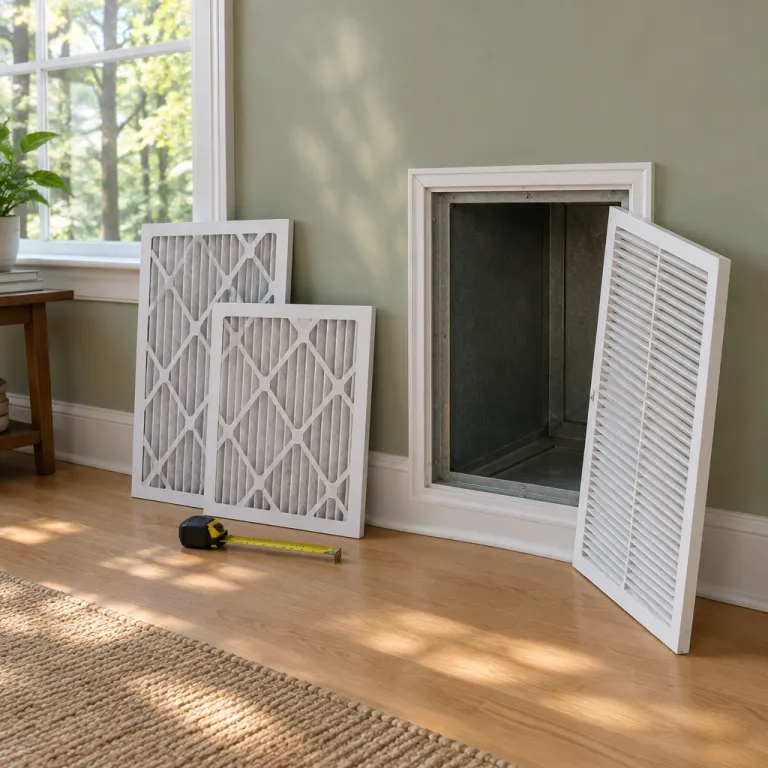
Understanding why air filter size matters
Why the Right Air Filter Size Impacts Your Home’s Air Quality
When it comes to improving indoor air quality, choosing the correct air filter size for your HVAC system is not just a technical detail—it’s essential for effective filtration. The size of your air filter directly influences how well your system can capture dust, pollen, pet dander, and other airborne particles. If the filter doesn’t fit properly, it can’t do its job, and your home’s air quality may suffer.
How Filter Size Affects Filtration Efficiency
Every HVAC system is designed to work with a specific filter size. Using a filter that is too small or too large can cause air to bypass the filter, reducing its ability to trap contaminants. This can lead to a buildup of dust and allergens in your home, and even affect the performance of your air conditioner or furnace. The right filter size ensures that all air passing through your system is properly filtered, supporting a healthier living environment.
- Nominal vs. Actual Size: Air filters are often labeled with a nominal size, which is a rounded number. The actual size (length, width, and thickness) is usually a bit smaller. Understanding this difference is key when shopping for replacements.
- Standard Air Filter Sizes: There are many common sizes, but not all homes use the same one. Knowing your system’s requirements helps avoid mistakes during replacement.
- Filtration Ratings: The filter’s MERV rating (Minimum Efficiency Reporting Value) tells you how well it can capture particles. However, even a high-MERV filter won’t work as intended if the size is wrong.
Consequences of Using the Wrong Filter Size
Incorrectly sized filters can cause air leaks, reduce filtration efficiency, and even strain your HVAC system. Over time, this can lead to higher energy bills, more frequent maintenance, and a decline in indoor air quality. For those concerned about specific pollutants like volatile organic compounds (VOCs), using the right filter size is a crucial first step. For more on this topic, check out this guide on choosing the right air purifier for VOCs.
Understanding why air filter size matters sets the stage for exploring common filter sizes, how to measure your current filter, and tips for selecting the best option for your home’s needs.
Common home air filter sizes explained
Standard Air Filter Sizes You’ll See in Most Homes
When it comes to air filters for your home, knowing the standard sizes is key. Most HVAC systems, air conditioners, and furnace filters use a set of common dimensions, which makes replacement easier. These sizes are typically measured in inches, with the most popular being 16x20, 20x20, 20x25, and 16x25. The first number is the length, the second is the width, and the third (if listed) is the thickness. For example, a 16x20x1 filter is 16 inches long, 20 inches wide, and 1 inch thick.
- Nominal size: This is the rounded number you see printed on the filter packaging, like 20x25x1. It’s not always the exact measurement, but it’s what you’ll use when shopping for replacement filters.
- Actual size: The true measurement of the filter, usually a bit smaller than the nominal size. Always check the actual size if you want a precise fit.
Some brands, like Filtrete, offer a wide range of filter sizes and MERV ratings to fit different systems and air quality needs. Higher MERV ratings mean better filtration, which can help with reduction of pet dander, pollen, and even some volatile organic compounds (VOCs). If you’re concerned about VOCs in your home, you can learn more about air filters for VOC reduction here.
Why Filter Size Isn’t One-Size-Fits-All
Each HVAC system is designed to work with a specific filter size. Using the wrong size filter can lead to poor air filtration, reduced system efficiency, and even damage over time. That’s why it’s important to measure your current filter or check your system’s manual before buying a replacement. Filters air come in a variety of thicknesses too, from 1 inch up to 5 inches, and the right thickness can impact how often you need to change your filter and how well it traps particles like pollen pet dander and dust.
In summary, knowing the standard air filter sizes and understanding the difference between nominal and actual size will help you find the best fit for your home. This ensures your HVAC system runs smoothly and your indoor air quality stays high.
How to measure your current air filter
Steps to Accurately Measure Your Air Filter
Getting the right filter size for your home’s HVAC system is essential for effective air filtration and system performance. If you’re unsure about your current air filter size, measuring it yourself is straightforward. Here’s how you can do it:
- Turn off your HVAC system for safety before handling the filter.
- Remove the existing air filter from its slot. This is usually found behind a vent grille or inside the air handler.
- Check the filter’s frame. Most standard air filters have their size printed on the edge. You’ll see numbers like 16x20x1 or 20x25x4, which represent the length, width, and depth (thickness) in inches.
- If the size isn’t visible or has worn off, use a tape measure to measure the length, width, and depth of the filter. Always measure in inches for consistency with most filter sizes.
- Record the nominal size (rounded up to the nearest whole inch) and the actual size (precise measurement). For example, a filter labeled 16x20x1 might actually measure 15.5x19.5x0.75 inches. Most replacement filters are sold by their nominal size.
Understanding Nominal vs. Actual Filter Size
The nominal size is the rounded number you’ll see on packaging and is what you’ll use when shopping for replacement filters. The actual size is slightly smaller, allowing the filter to fit easily into your system. Always use the nominal size when searching for standard air or furnace filters.
Why Accurate Measurement Matters
Using the correct size filter ensures your HVAC system operates efficiently and maintains good air quality in your house. An ill-fitting filter can let dust, pollen pet dander, and other particles bypass filtration, reducing the effectiveness of your system and potentially leading to costly repairs. For more on how filter ratings like MERV and Filtrete’s MPR affect filtration, check out this guide to MERV and MPR ratings.
| Filter Location | Typical Nominal Size (inches) | Where to Measure |
|---|---|---|
| Return Air Grille | 20x20x1, 16x25x1, 20x25x1 | Length x Width x Depth of filter slot |
| Furnace/Blower Compartment | 16x20x1, 20x25x4, 16x25x4 | Length x Width x Depth of filter slot |
| Air Conditioner | Varies (check manufacturer specs) | Length x Width x Depth of filter slot |
Once you know your filter’s size, you’ll be ready to choose the right replacement and keep your home’s air quality at its best. Remember, filters come in many standard sizes, so double-check your measurements before purchasing.
What happens if you use the wrong filter size
Why the Wrong Filter Size Can Cause Problems
Using an air filter that doesn’t match your HVAC system’s required size can lead to several issues in your home. Air filters are designed to fit snugly in their designated slot. If the filter is too small, air can bypass it, allowing dust, pollen, and pet dander to circulate freely. A filter that’s too large simply won’t fit, making installation impossible.
Impact on Air Quality and System Efficiency
- Reduced Filtration: An incorrect filter size means your filtration system can’t trap particles effectively. This can lower your indoor air quality and increase allergens in your house.
- HVAC System Strain: When air bypasses the filter or the filter is forced into place, your HVAC system has to work harder. This can lead to higher energy bills and even system damage over time.
- Shorter Filter Lifespan: Filters that don’t fit properly may wear out faster, requiring more frequent replacement and increasing costs.
Common Mistakes with Filter Sizes
Many people assume that all standard air filters are interchangeable, but each system has specific requirements for length, width, and thickness. Relying on nominal size (the rounded-up measurement) instead of the actual size can lead to mistakes. Always measure your current filter before purchasing a replacement to ensure a proper fit.
Potential for System Damage
Consistently using the wrong size filter can cause dust to build up inside your HVAC system. Over time, this can reduce airflow, damage components, and even lead to system failure. Proper filtration is essential for both air quality and the longevity of your air conditioner or furnace.
Tips for choosing the best filter size for your needs
Key factors to consider for the perfect fit
When choosing the best filter size for your needs, it’s important to look beyond just the numbers printed on the frame. The right air filter size ensures your HVAC system runs efficiently, maintains good air quality, and avoids unnecessary strain on the system. Here’s what to keep in mind:
- Check the nominal size: Most air filters display a nominal size, which is a rounded measurement (like 16x20x1 inches). Always double-check the actual length, width, and thickness, as the true size can be slightly smaller than the nominal size.
- Match your system’s requirements: Your HVAC system or air conditioner will have a recommended filter size. Using the correct size air filter helps with proper airflow and filtration, reducing the risk of dust, pollen, pet dander, and other particles circulating in your home.
- Consider filtration needs: If you have allergies or pets, you might want a filter with a higher MERV rating for better reduction of airborne particles. Filters like Filtrete air filters are available in various sizes and MERV ratings to match your needs.
- Replacement and availability: Stick to common or standard air filter sizes when possible. These are easier to find and replace, whether you shop online or at local stores. Custom sizes can be ordered, but they may cost more and take longer to arrive.
- Don’t force a fit: Never try to squeeze a filter that’s too large or pad one that’s too small. An improper fit can let unfiltered air bypass the filter, reducing filtration efficiency and potentially damaging your HVAC system.
Practical tips for a smooth selection
- Measure your current filter or the slot in your system before buying a replacement. Use a tape measure to get the exact length, width, and thickness.
- Write down the measurements and compare them to the listed filter sizes. Remember, the nominal size is usually rounded up.
- Check your HVAC system’s manual or the label near the filter slot for recommended filter sizes and MERV ratings.
- Consider stocking up on filters air in the right size, especially if you use standard sizes, to make regular replacement easier.
- If you’re unsure, consult with an HVAC professional or the manufacturer to avoid costly mistakes.
Choosing the right filter size air for your house isn’t just about convenience—it’s about protecting your HVAC system, improving air quality, and ensuring your home stays comfortable year-round.
Where to find and buy the right air filter size
Finding the Right Filter Size for Your HVAC System
Once you know the exact size of air filter your home needs, the next step is sourcing the right product. Whether you’re looking for standard air filter sizes or something more unique, there are several reliable options to consider for your replacement filters.
- Local hardware stores: Most carry common air filter sizes for furnaces and air conditioners. You can usually find popular brands like Filtrete and a range of MERV ratings for different filtration needs.
- Home improvement retailers: Big box stores offer a wide selection of filters, including specialty sizes and higher MERV options for better air quality and reduction of pet dander or pollen pet allergens.
- Online retailers: Shopping online gives you access to a broader range of filter sizes, including less common or custom nominal sizes. Many sites let you filter by length, width, and thickness, making it easier to match your system’s requirements.
- Manufacturer websites: If you use a specific brand like Filtrete, their website often lists all available filters and sizes, along with guidance on choosing the best filter for your HVAC system.
Tips for a Smooth Filter Replacement
- Double-check the nominal size printed on your old air filter before purchasing a new one. The nominal size is usually rounded up from the actual measurement, so always measure the length and width if you’re unsure.
- Consider buying filters in multi-packs for convenience and cost savings, especially if your system uses standard sizes.
- For homes with pets or allergy concerns, look for filters with higher MERV ratings or specialized filtration for pet dander and pollen pet reduction.
- Set a reminder to replace your filters air regularly—most homes benefit from a new filter every 1 to 3 months, depending on usage and air quality needs.
What to Watch Out For
Be cautious of filters that claim to fit all systems. Always match the filter size and MERV rating to your HVAC system’s specifications. Using the wrong size filter can reduce filtration efficiency and even damage your system, as discussed earlier in this article.
Whether you’re replacing a filter in your furnace, air conditioner, or whole-house filtration system, taking the time to measure and select the correct filter size ensures your home’s air stays clean and your HVAC system runs smoothly.