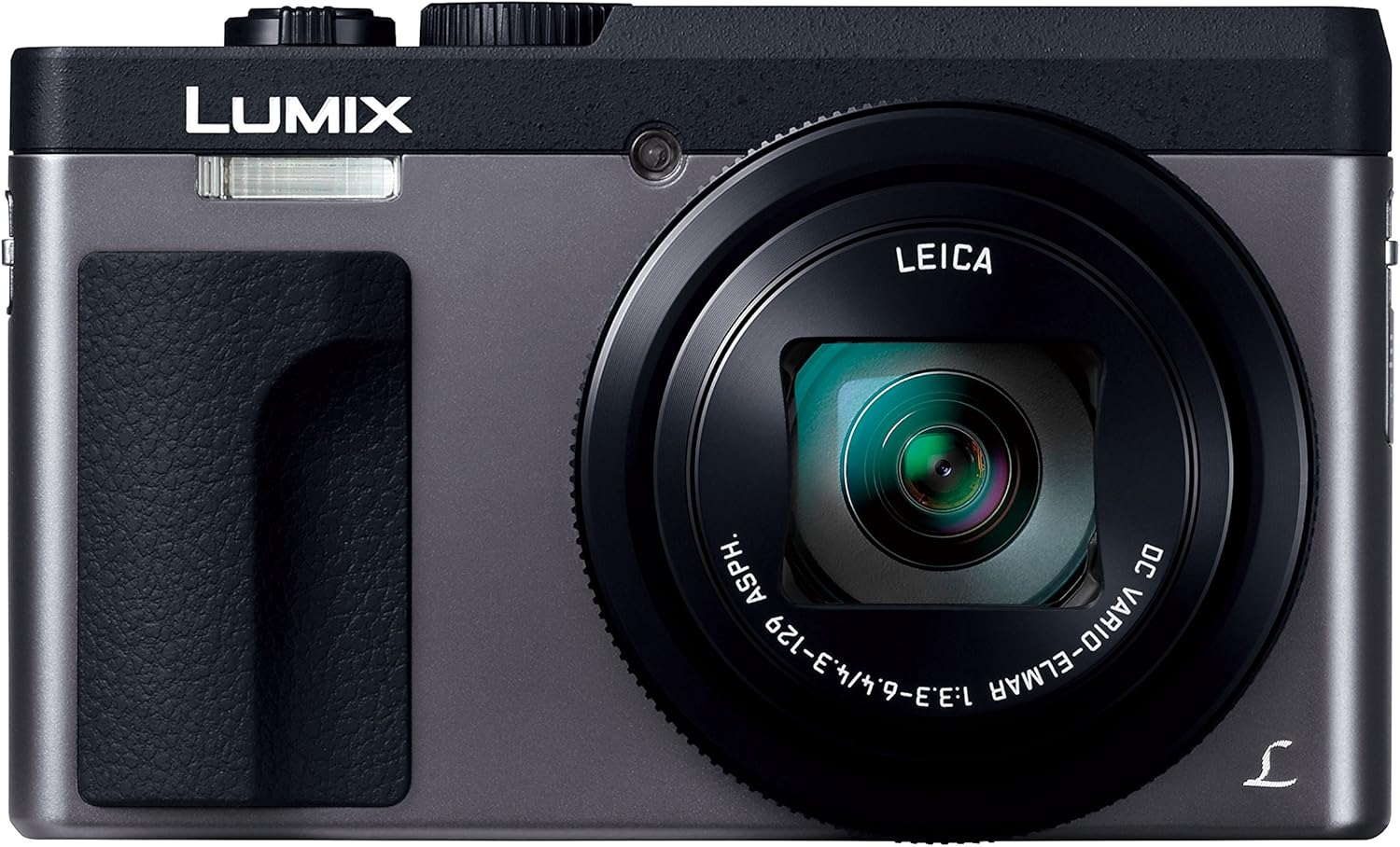
Compact cameras and pocketable options for light travel
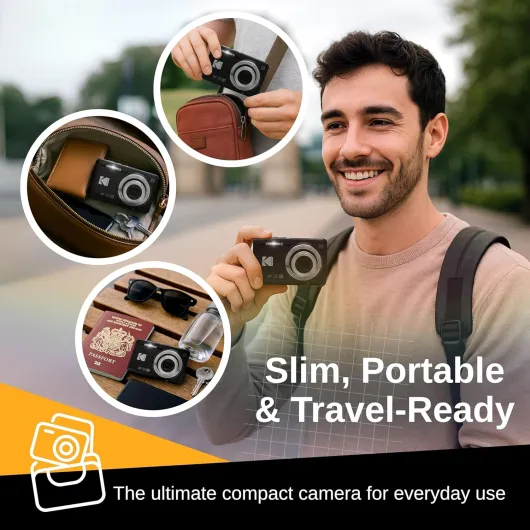
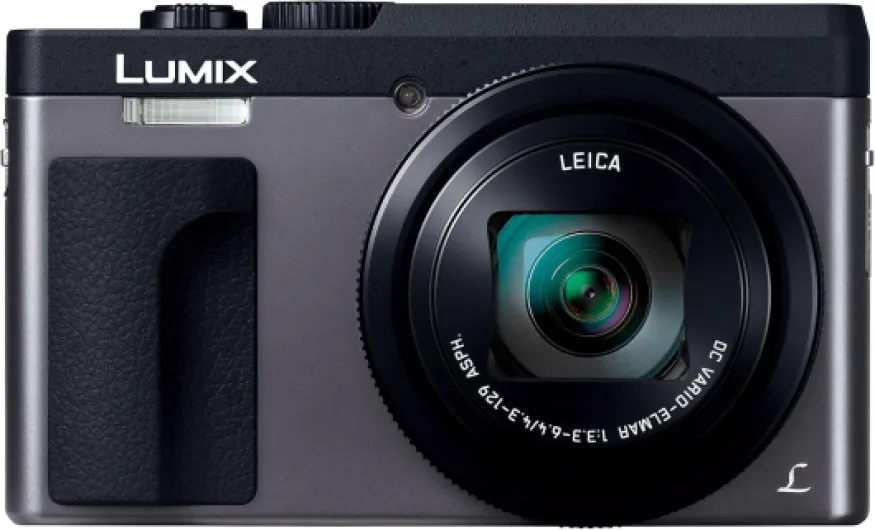
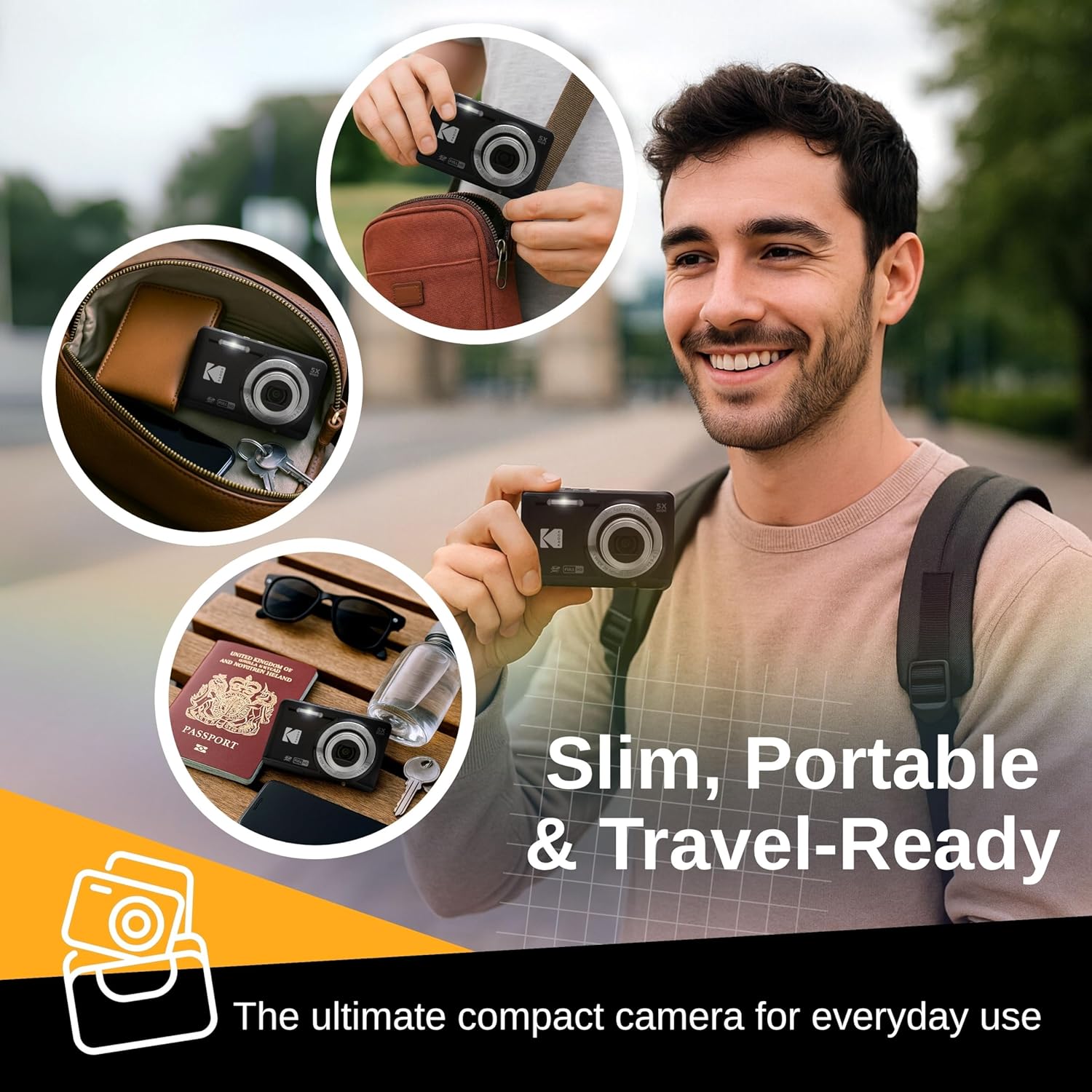
Travellers who value minimal weight often start by looking at a compact camera, because these pocketable cameras are easy to carry all day in crowded markets or on long hikes. A good compact travel camera should offer a bright lens, a responsive sensor, and reliable autofocus, while still slipping into a jacket pocket without drawing attention. When you compare compact cameras, always check the zoom range, the maximum aperture, and whether the body includes effective image stabilization for low light scenes in restaurants or night streets.
Models such as the Sony RX100 series, including the popular Sony RX100 VII version with a 1-inch sensor and a 24–200mm equivalent zoom, show how far a small digital camera can go in terms of image quality and video performance. A Sony RX100 VII compact camera combines a fast zoom lens, a one inch sensor, and advanced autofocus, which makes it one of the best compact choices for travellers who want both still photography and smooth video in a truly pocketable camera. If you are comparing premium compact cameras with long zooms and strong image stabilization, a curated list of top premium compact cameras can help you check which models balance price, zoom, and overall quality most effectively.
Not everyone needs interchangeable lenses when they travel, and a fixed lens compact camera can be the best travel partner for people who prefer simplicity. A well designed point and shoot model with a high quality sensor and a bright fixed lens can deliver excellent depth of field control at close distances, while keeping the camera travel kit extremely small. When you buy this type of compact digital camera, pay attention to how quickly it focuses, how clean the images look at higher ISO settings, and whether the video quality is good enough for your social media or family archive.
Compact travel camera pros and cons
- Advantages: truly pocketable size, discreet appearance, no lens changes, often excellent stabilization and silent operation.
- Limitations: smaller grips, shorter battery life than some larger cameras, limited upgrade path because you cannot swap lenses.
Mirrorless cameras for serious travel photography
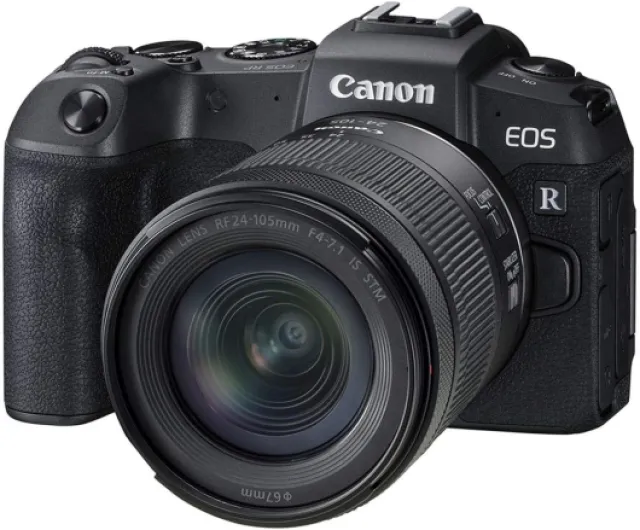
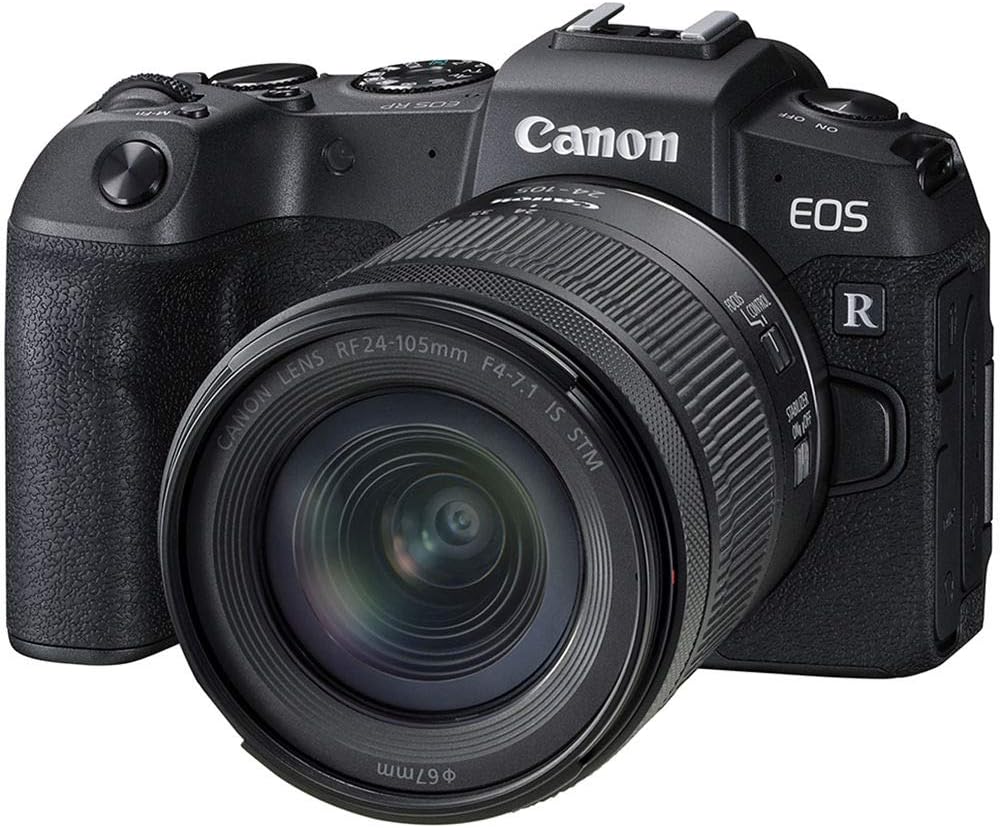
For travellers who treat photography as a central part of every trip, a mirrorless camera often represents the best compromise between performance and portability. Modern mirrorless cameras from brands such as Sony and Canon offer large sensors, fast autofocus, and excellent video features, while remaining lighter than traditional DSLR cameras with similar image quality. When you choose a mirrorless camera for travel photography, you should check the available lens options, the battery life, and whether the body includes in body image stabilization for sharper handheld shooting.
Sony mirrorless cameras, especially the Alpha series, are known for strong autofocus, reliable eye tracking, and impressive low light performance, which makes them attractive for street photography and indoor scenes. Canon mirrorless cameras, including models that complement the classic Canon EOS DSLR line, often provide intuitive menus, pleasant color rendering, and a wide range of lenses at different price points. If you are trying to decide between these two ecosystems before you buy, an industry overview of what new camera launches mean for buyers can clarify how upcoming bodies and lenses might affect long term value.
Many travel photographers pair a mirrorless camera with a compact zoom lens that covers wide angle to short telephoto, because this combination handles landscapes, portraits, and casual street scenes without constant lens changes. If you need more reach for wildlife or sports during travel, you can add a lightweight telephoto lens, but remember that every extra lens increases the weight of your camera travel kit and affects your carrying comfort while walking all day. For some people the best travel setup is a single mirrorless camera with a versatile zoom, while others prefer a small body plus a fast prime lens to maximize low light performance and depth of field control in tight interiors.
Mirrorless versus compact cameras at a glance
- Mirrorless strengths: interchangeable lenses, larger grips, better viewfinders, more room to grow into specialist lenses for wildlife, portraits, or video.
- Compact strengths: smaller size, simpler operation, lower overall weight, less attention in busy tourist areas or sensitive locations.
Full frame versus smaller sensors on the road
One of the biggest questions when choosing the best digital cameras for travel is whether to invest in a full frame sensor or stick with a smaller format. A full frame camera offers better low light performance, smoother depth of field transitions, and often higher overall image quality, but the lenses are usually larger and the price is significantly higher than for smaller sensor cameras. Travellers who mainly share images online or make modest prints may find that an APS C or one inch sensor digital camera already delivers more than enough quality for their needs.
Full frame mirrorless cameras from Sony and Canon, including models that sit alongside the Canon EOS DSLR range, have become lighter and more compact, which makes them more realistic as travel camera options than older full frame bodies. A full frame mirrorless camera with a small prime lens can feel surprisingly compact, while still giving you excellent low light performance and very shallow depth of field for portraits and detail shots. However, once you add a large zoom lens to a full frame body, the total camera travel weight can exceed that of a smaller sensor kit with similar zoom coverage, so you must check your priorities carefully before you buy.
Smaller sensor cameras, including advanced compact models and some mirrorless cameras, offer longer effective zoom ranges in smaller lenses, which is valuable for wildlife or distant architecture during travel. A high quality compact camera with a one inch sensor and a fixed lens can deliver impressive image quality, especially when combined with modern image stabilization and good shooting technique. For many travellers the best travel compromise is a smaller sensor camera that still offers strong video, reliable autofocus, and a versatile zoom, because it keeps the kit light while preserving creative flexibility.
Sensor size comparison for travel
- Full frame: best for low light and background blur, but higher cost and bulkier lenses.
- APS-C: strong balance of quality, reach, and price; ideal for most travel photographers.
- 1-inch: noticeably better than basic compacts and smartphones, yet still very portable.
Key features that matter for travel photography
When you evaluate the best digital cameras for travel, focus on a short list of features that truly affect your images and your experience. Image quality, autofocus reliability, and effective image stabilization matter far more than minor differences in megapixel counts or obscure menu options that you will never use. A travel camera should start quickly, lock focus confidently, and produce clean files from its sensor, so that you can concentrate on shooting instead of fighting the technology.
Autofocus performance is critical for travel photography, because you often react to fast moving subjects such as children, street performers, or wildlife. Cameras from Sony and Canon now offer sophisticated subject tracking, eye detection, and reliable continuous autofocus for both still photography and video, which makes them strong candidates when you check specifications before you buy. If you plan to record a lot of travel video, you should also consider models with microphone inputs and stable 4K recording, and a resource that lists top digital cameras with microphone input can help you shortlist bodies that handle both video and stills gracefully.
Lens choice shapes how you see the world on travel, so think carefully about zoom range, maximum aperture, and whether you prefer a fixed lens or interchangeable lenses. A compact camera with a wide to telephoto zoom and strong image stabilization can handle most situations, while a mirrorless camera with a fast prime lens excels in low light and offers beautiful depth of field control for portraits and food photography. Whatever you choose, always check the total weight of the camera travel kit, the price of extra lenses, and how the ergonomics feel in your hand, because comfort and confidence are as important as technical specifications.
Quick checklist before you buy
- Does the camera turn on, focus, and shoot quickly enough for street scenes and candid moments?
- Is the viewfinder or screen bright and clear in strong sunlight?
- Can you change aperture, shutter speed, and ISO without diving into complex menus?
Budget, value, and when to upgrade your travel camera
Price is often the final deciding factor when choosing among the best digital cameras for travel, but it should not be the only one. A cheaper camera that you enjoy carrying and using every day will produce better photography than an expensive full frame body that stays in the hotel safe because it feels too heavy. Before you buy, set a realistic budget that includes the camera body, at least one suitable lens, a spare battery, and a memory card, then check whether any seasonal promotions or refurbished options can stretch your money further.
Entry level compact cameras and basic point and shoot models remain attractive for travellers who mainly share images on social media and do not need advanced video or interchangeable lenses. Mid range mirrorless cameras from Sony and Canon, often paired with a modest zoom lens, offer a strong balance of image quality, autofocus, and portability, which makes them some of the best travel choices for enthusiasts who want room to grow. High end full frame bodies and premium compact cameras such as the Sony RX100 VII are best reserved for travellers who already understand their shooting style and can justify the higher price with frequent use and demanding low light or depth of field requirements.
You should consider upgrading your travel camera when it consistently limits your creativity, not just because a new model appears in the news. If your current digital camera struggles with low light, lacks reliable image stabilization, or cannot keep up with your desired video quality, then a newer mirrorless camera or a better compact camera may genuinely improve your results. On the other hand, if you mainly feel pressure from marketing or upgrade trends in online communities, it may be wiser to invest in a new lens, a photography workshop, or simply more travel experiences instead of another camera travel purchase.
Simple upgrade guideline
- Upgrade the camera body when autofocus, high ISO noise, or video features clearly hold you back.
- Upgrade lenses first if you want a different look, such as wider angles, more background blur, or extra reach.
Choosing between brands and special interest options
Brand choice in the search for the best digital cameras for travel often comes down to lens ecosystems, ergonomics, and how the colors look straight out of the camera. Sony and Canon dominate the mirrorless cameras market, offering extensive lens lineups, strong autofocus, and excellent video features, while other brands such as Ricoh focus on niche compact cameras that appeal to specific styles of travel photography. When you compare brands, pay attention to how the menus feel, how the grip suits your hand, and whether the available lenses match your preferred shooting subjects and budget.
Ricoh cameras, especially the GR series, have earned a loyal following among street photographers who value a discreet, fixed lens compact camera with a large sensor and excellent image quality. A Ricoh compact digital camera slips easily into a pocket, encourages spontaneous point and shoot photography, and offers impressive low light performance for its size, which makes it a strong candidate as a secondary travel camera even for people who already own a larger mirrorless camera. Canon EOS DSLR bodies still have a place for travellers who prefer an optical viewfinder and a wide range of affordable lenses, though many new buyers now lean toward Canon mirrorless cameras for lighter weight and better video features.
Whatever brand you choose, remember that the best travel camera is the one you feel confident using in real situations, from crowded markets to quiet temples. Spend time in a store holding different cameras, testing autofocus, and checking how quickly you can change settings such as aperture, shutter speed, and ISO while shooting. Over the long term, a well chosen camera travel system, whether based on a compact camera, a mirrorless camera, or a full frame body, will support your creativity and help you return home with images that match your memories and your personal sense of what a successful trip looks like.
Personal recommendation
- If you want one do-everything kit, an APS-C mirrorless body with a 24–70mm equivalent zoom is the most versatile starting point for most travellers.
Key figures about travel cameras and photography habits
- According to data from the Camera & Imaging Products Association (CIPA), global shipments of digital cameras have fallen by more than 80 percent compared with a decade ago, while the share of mirrorless cameras has grown steadily and now represents the majority of interchangeable lens camera sales. These figures are based on CIPA shipment statistics aggregated over multiple years.
- Industry reports from companies such as Sony and Canon indicate that a large proportion of new interchangeable lens cameras sold are now used primarily for travel photography and social media content, reflecting a shift from studio work toward mobile, on the go shooting. These statements summarise trends highlighted in recent annual reports and investor presentations.
- Surveys by major photo printing services show that travellers who carry a dedicated travel camera, rather than relying only on a smartphone, are around twice as likely to order large prints or photo books after a trip, which suggests that higher image quality encourages long term preservation of memories. Exact percentages vary by provider and region, but the overall pattern is consistent.
- Market analysis from research firms tracking camera sales suggests that compact cameras with one inch sensors and strong zoom lenses command a price premium of roughly 20 to 40 percent over basic point and shoot models, but they also enjoy higher customer satisfaction scores due to better image quality and low light performance. These ranges are approximate and can change with currency shifts and new product launches.
- Travel insurance providers report that cameras and lenses remain among the top three categories of high value personal items claimed for loss or theft during international travel, which underlines the importance of using discreet, pocketable camera designs and secure carrying methods in busy urban environments. Individual insurer statistics differ, but cameras consistently appear near the top of claim lists.