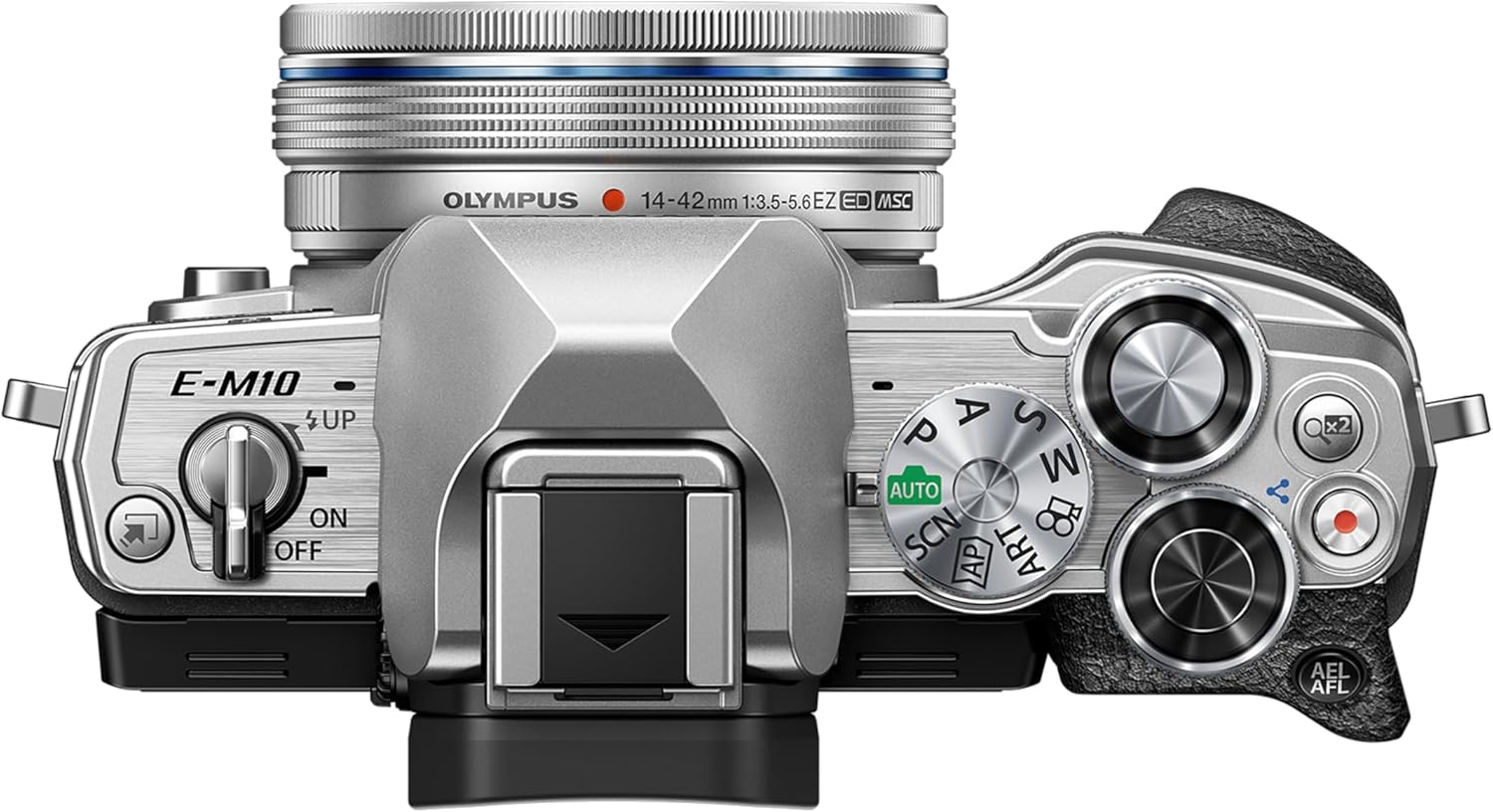
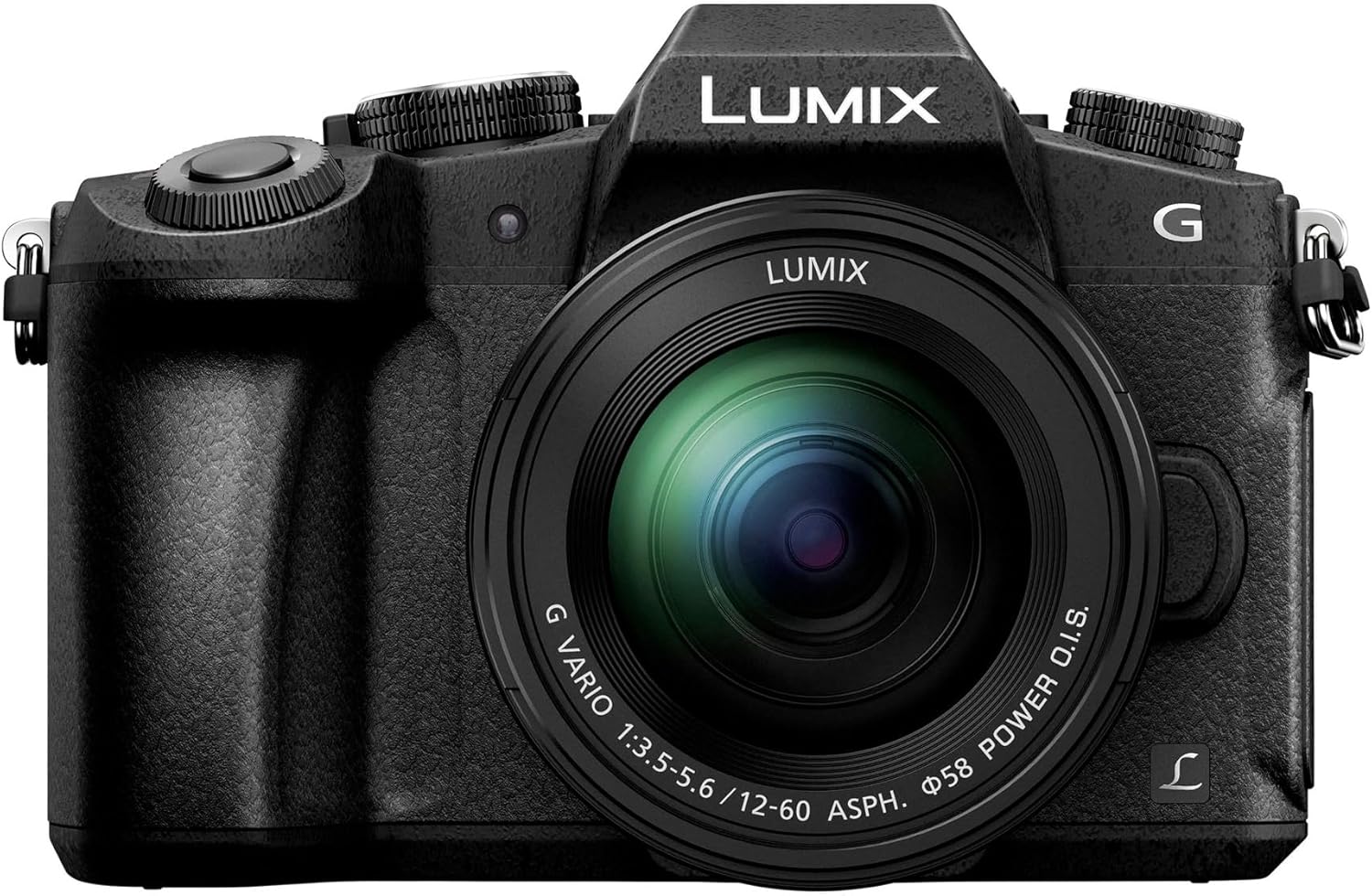
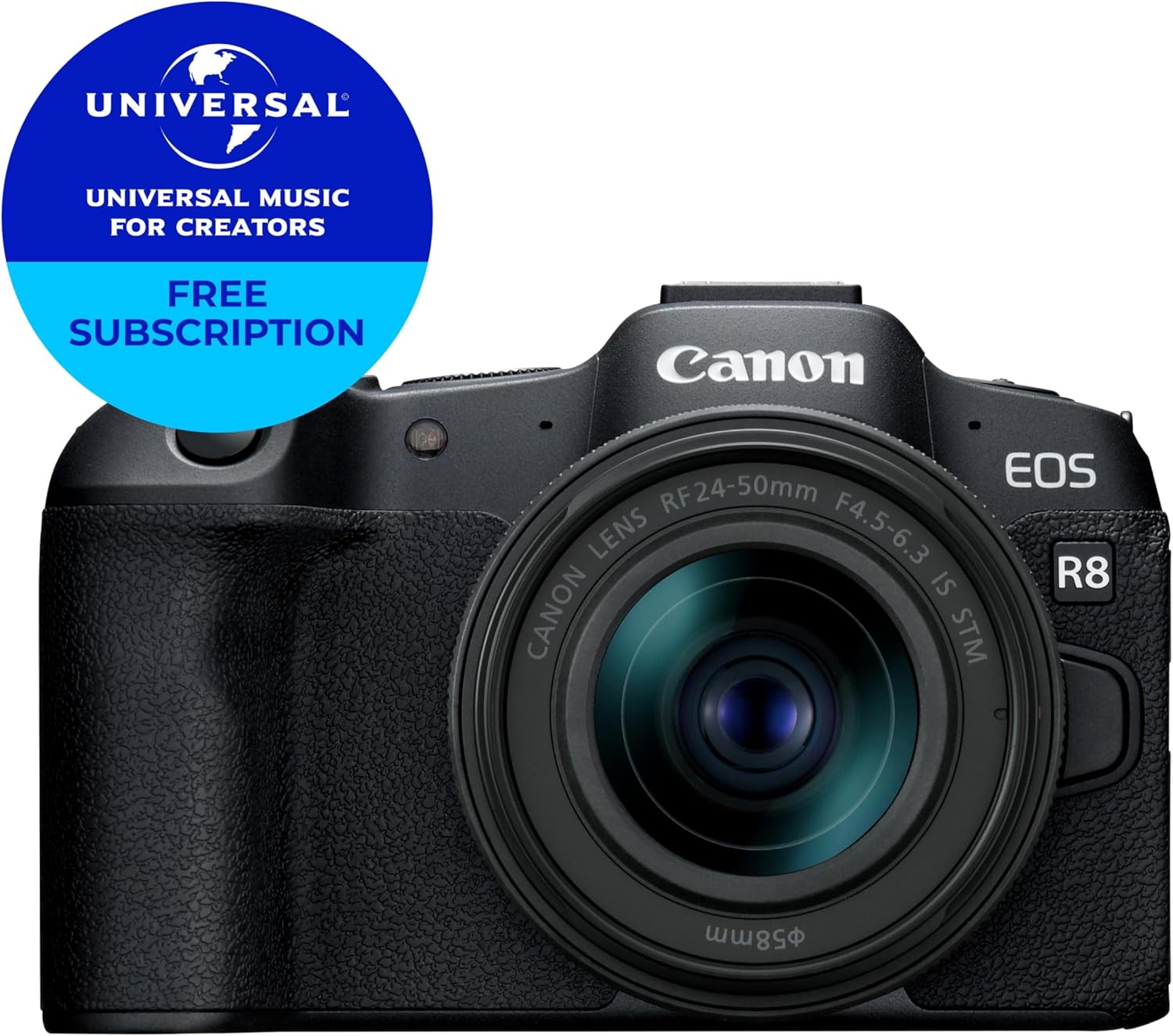
Key brands and models among the best mirrorless digital cameras
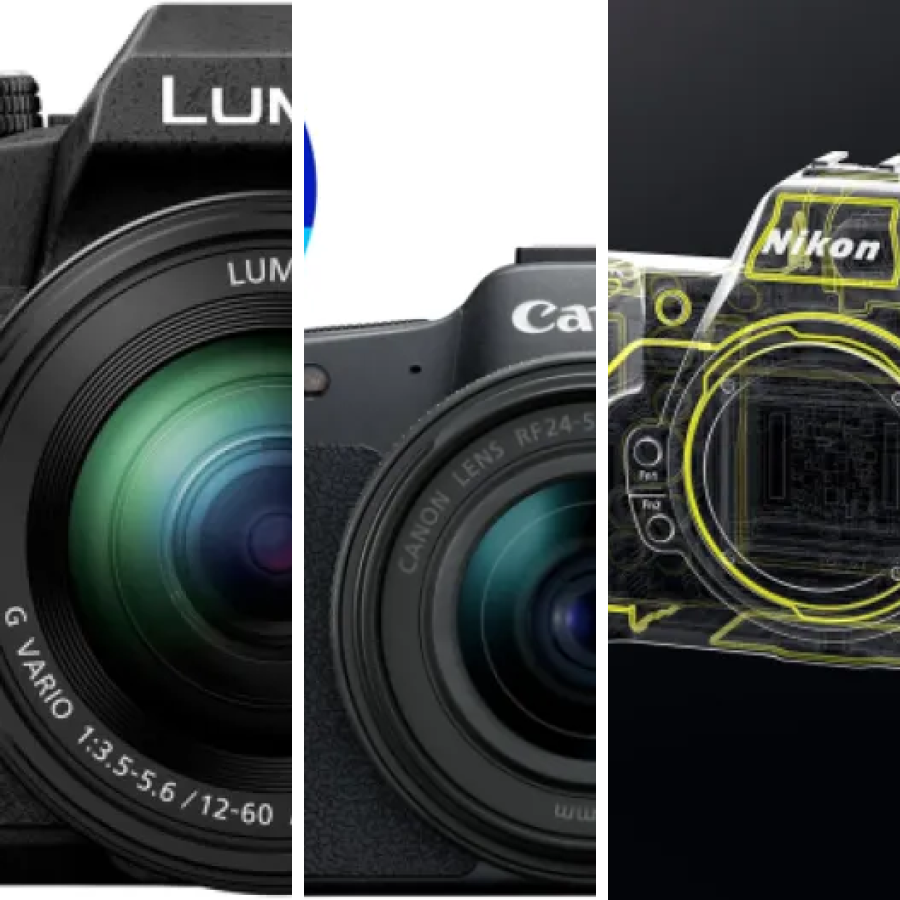
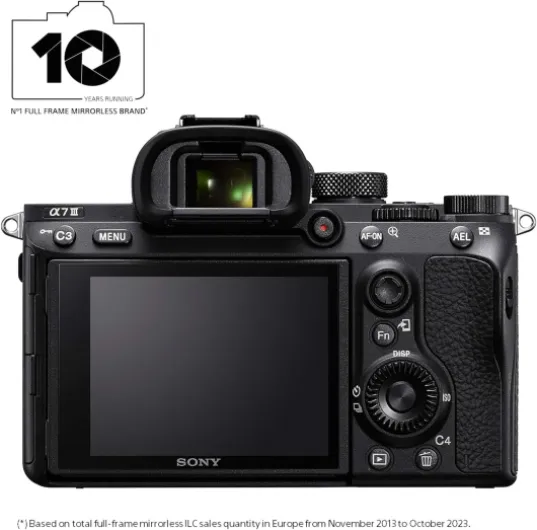
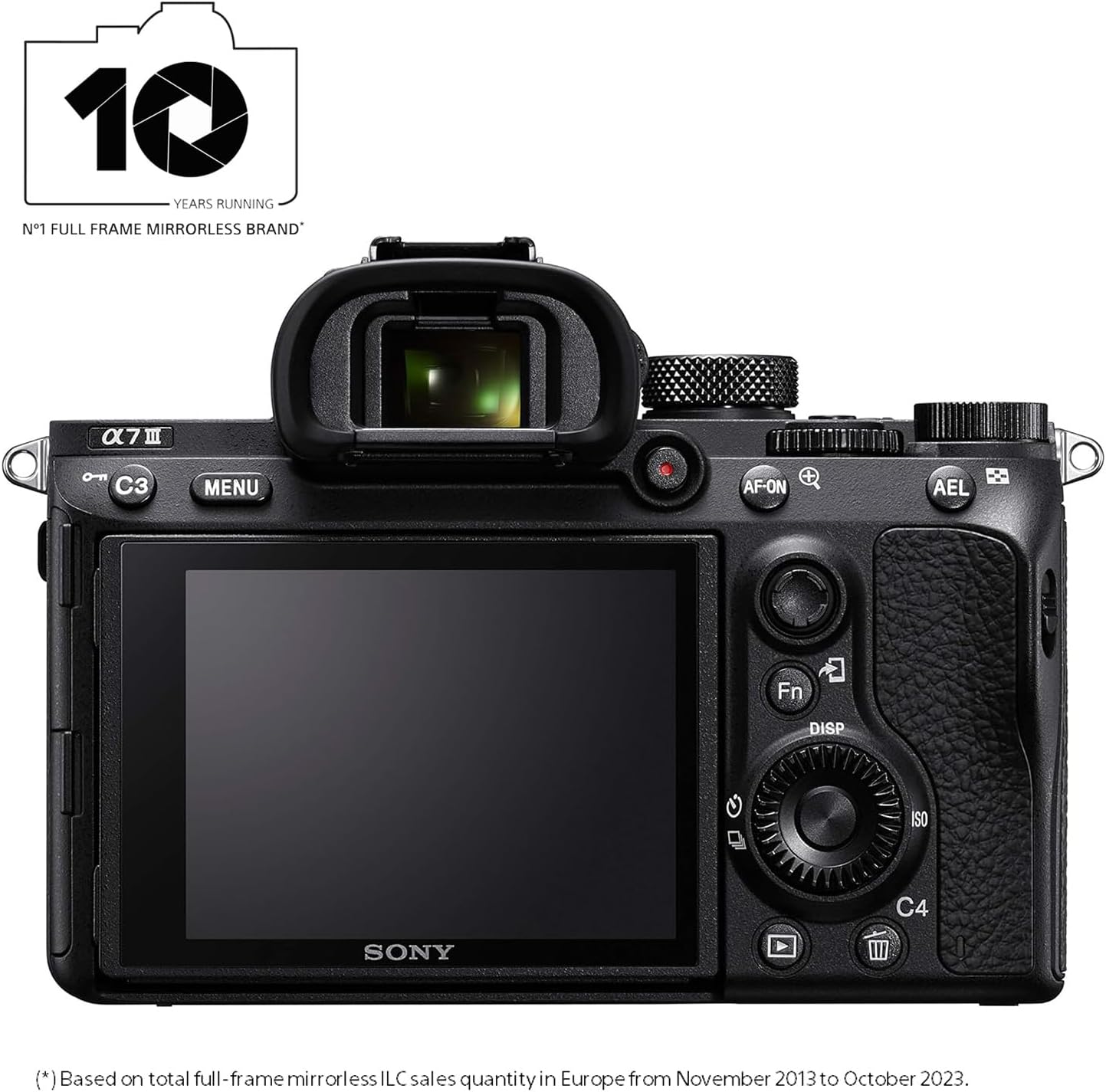
Sony mirrorless cameras dominate many rankings of the best mirrorless digital cameras for good reasons. Their Alpha full frame sensor bodies, such as the Sony A7 IV and A7R V, combine excellent image quality, strong low light performance, and class leading autofocus for both stills and video. The extensive Sony lens lineup, from compact primes to fast telephotos, makes the system attractive to beginners and professionals.
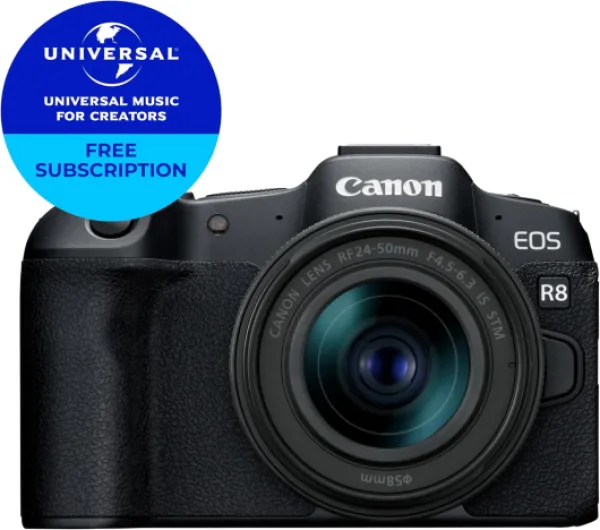
Canon has transformed its Canon EOS mirrorless camera range into a serious alternative for both photographers and filmmakers. Recent EOS Mark bodies like the EOS R6 Mark II bring improved Dual Pixel CMOS AF II, refined ergonomics, and better frame rate options for high speed shooting. Many users appreciate how Canon colour science renders skin tones and overall image aesthetics straight out of camera.
Fujifilm focuses mainly on APS C mirrorless cameras, yet still competes strongly with larger full frame rivals. Its X series bodies, including the X-T5 and X-S20, deliver excellent dynamic range, attractive JPEG images, and tactile dials that encourage deliberate shooting. Paired with compact Fujifilm lenses, these cameras suit travel, street, and documentary work where portability matters.
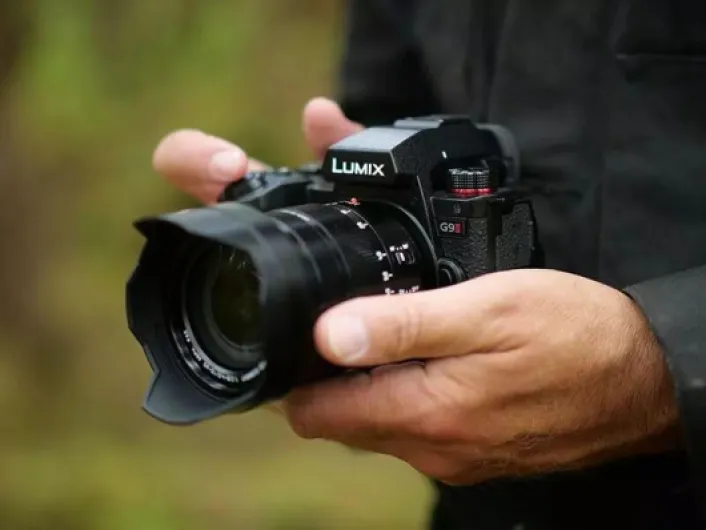
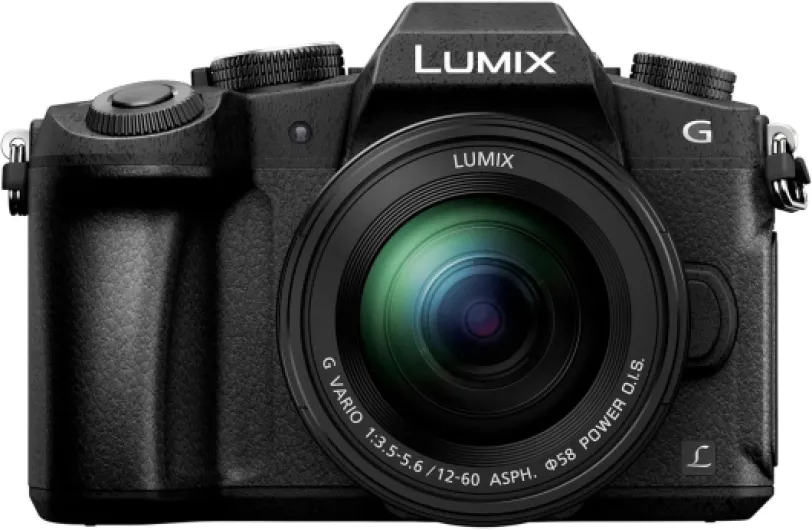
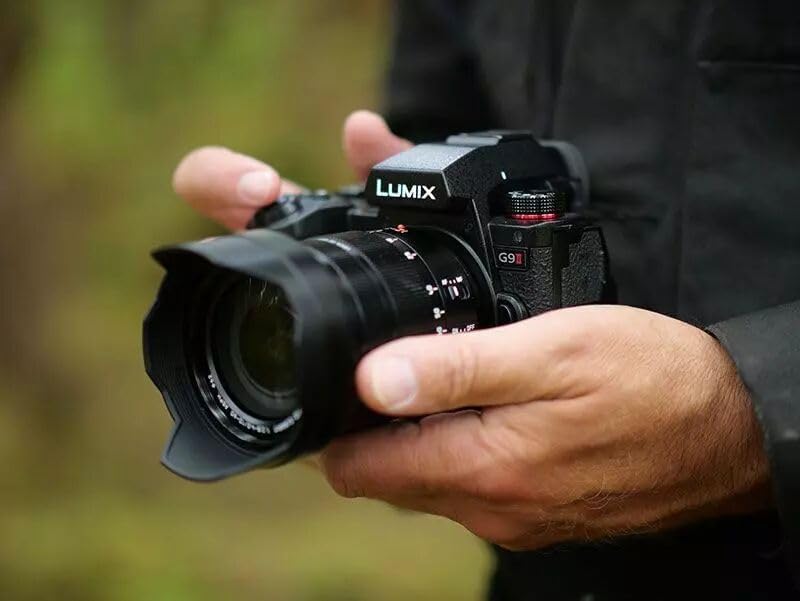
Panasonic Lumix mirrorless cameras appeal especially to video focused creators. Their Micro Four Thirds and full frame lines offer advanced video codecs, high frame rate slow motion, and robust image stabilization for handheld shooting. If you care more about video than still images, a Panasonic Lumix body such as the Lumix S5 II can be the best mirrorless choice in its price bracket.
When comparing these brands, pay close attention to sensor size and frame sensor technology. A modern full frame sensor from Sony or Canon often outperforms an older APS C sensor in low light, yet lens size and cost also rise. For some buyers, a smaller sensor digital camera with lighter lenses remains the more practical option.
Content creators who prioritise advanced video features should also look at specialised guides such as this overview of top 6K video cameras. These resources help you understand which mirrorless camera bodies offer oversampled 4K, high bit rate recording, and reliable autofocus during long video sessions. Matching your camera choice to your real world projects always matters more than chasing headline specifications.
Essential specifications that define real world image quality
Image quality depends on more than megapixels when you evaluate the best mirrorless digital cameras. The combination of sensor size, lens sharpness, and processing determines how clean your images look at higher ISO settings. A well designed full frame sensor usually delivers smoother tones and wider dynamic range than a smaller chip with similar resolution.
Look closely at how each mirrorless camera handles low light scenes such as indoor events or evening streets. Cameras with strong high ISO performance, effective image stabilization, and fast lenses let you keep shutter speeds high enough for sharp shooting. This trio of features often matters more than chasing the absolute highest frame rate or resolution.
Autofocus technology now plays a central role in perceived image quality. Systems with advanced subject detection and reliable tracking keep more images in perfect focus, especially during fast action or shallow depth of field work. Sony, Canon EOS, and Panasonic Lumix bodies increasingly use deep learning algorithms to recognise eyes, animals, and vehicles.
For hybrid creators, video image quality deserves equal attention. Check whether the camera oversamples from the full width of the frame sensor or crops heavily, because this affects field of view and sharpness. Also verify whether 10 bit recording, log profiles, and clean HDMI output are available for serious colour grading.
Battery life and thermal management quietly influence real world results, particularly for long video shoots. A camera that overheats or drains batteries quickly may force you to stop recording just as the best moments unfold. Reading user feedback from Amazon or B&H Photo can reveal whether a specific body handles extended shooting gracefully.
Creators who need a compact setup with strong image quality should explore this guide to top digital cameras for content creators. These curated options balance sensor performance, autofocus reliability, and practical features such as articulated screens and dual card slots. Matching specifications to your workflow ensures that the best mirrorless camera on paper becomes the best tool in your hands.
Handling, ergonomics, and system growth over time
Technical specifications rarely tell the full story of how a mirrorless camera feels in daily use. Grip shape, control layout, and viewfinder quality all influence whether a camera body disappears in your hands or constantly distracts you. Photographers who shoot long events quickly notice how comfortable ergonomics reduce fatigue and improve overall shooting posture.
Menu design and customisation options also separate the best mirrorless digital cameras from merely good ones. Being able to assign autofocus modes, frame rate changes, and video settings to dedicated buttons saves precious seconds during fast paced shooting. Sony, Canon, Fujifilm, and Panasonic Lumix each take different approaches, so try to navigate their systems before you buy.
System growth matters because most photographers keep lenses longer than any single camera body. When you invest in a mirrorless system, consider the breadth of native lenses, third party support, and accessories such as flashes or grips. A rich ecosystem lets you adapt from casual travel images to professional assignments without switching brands.
Card slots and storage options deserve more attention than they often receive. Dual card slots allow instant backup of critical images or separate storage for stills and video, which working professionals rely on. Even enthusiasts benefit from this redundancy when photographing once in a lifetime events such as weddings or major trips.
Weight and size influence whether you actually carry your camera every day. Some of the best mirrorless cameras pair compact bodies with small primes, creating lightweight kits that rival premium compacts for portability. If you value minimal gear, consult resources like this guide to top lightweight digital cameras for further inspiration.
Finally, think about how firmware updates and service support extend the life of your investment. Brands that regularly refine autofocus, image stabilization, and video features through updates effectively give you a better camera over time. Checking regional service centres and warranty terms helps ensure that your chosen digital camera system remains reliable for years.
Practical buying strategies for person seeking information
Approaching the market for the best mirrorless digital cameras with a clear plan saves both money and frustration. Start by defining a realistic budget that includes at least one quality lens, extra batteries, and sufficient memory cards. Many buyers underestimate these accessories, yet they directly affect how long and how confidently you can keep shooting.
Next, prioritise features that genuinely impact your photography rather than marketing buzzwords. For stills, focus on sensor size, autofocus reliability, and dynamic range, while for video you should emphasise codecs, frame rate options, and image stabilization. Ranking these criteria in order of importance helps you compare Sony, Canon EOS, Fujifilm, and Panasonic Lumix bodies more objectively.
Retailers such as Amazon and B&H Photo provide useful user reviews, but interpret them carefully. Look for consistent comments about strengths and weaknesses, such as battery life, low light performance, or menu complexity, instead of isolated complaints. When possible, rent or borrow a mirrorless camera before you buy, so you can test it in your own shooting conditions.
Consider whether a kit lens or separate body and lens purchase suits you better. Kit lenses offer convenience and lower upfront cost, yet a high quality prime or constant aperture zoom often unlocks noticeably better image quality. Over time, investing in lenses usually yields more visible gains than chasing every new camera body.
Timing your purchase can also stretch your budget further. When a new EOS Mark or Alpha body launches, previous generation models often drop in price while still delivering excellent images and video. These discounted cameras can represent the best mirrorless value for photographers who do not need the latest frame rate or autofocus refinements.
Finally, protect your investment with sensible extras such as padded bags, screen protectors, and weather resistant accessories. These small additions help keep your digital camera, lenses, and card slots safe during travel or outdoor work. A thoughtful buying strategy ensures that your chosen mirrorless camera system supports your creativity instead of limiting it.
Matching specific use cases to the best mirrorless digital cameras
Different photographic genres demand different strengths from the best mirrorless digital cameras. Sports and wildlife shooters need fast autofocus, high frame rate bursts, and deep buffers to capture decisive moments. Portrait, landscape, and studio photographers often prioritise full frame sensors, rich dynamic range, and subtle colour rendering.
For travel and street photography, compact mirrorless cameras with small lenses and discreet styling work best. Fujifilm APS C bodies, some Sony models, and lightweight Panasonic Lumix options strike a strong balance between image quality and portability. Pairing these cameras with a fast prime lens creates a nimble kit that excels in low light city scenes.
Hybrid creators who alternate between stills and video should seek bodies with strong image stabilization and reliable continuous autofocus. Features such as Dual Pixel autofocus on Canon EOS cameras or advanced subject tracking on Sony models keep both photos and video sharp. Articulated screens, headphone jacks, and clean HDMI output further simplify solo shooting.
Event and wedding photographers benefit from dual card slots, robust battery life, and weather sealed bodies. These professionals often choose full frame mirrorless cameras for their superior low light performance and smoother background blur. Reliable eye detection autofocus helps maintain consistent facial expression and pose across hundreds of images.
Content focused users who mainly shoot video for online platforms should examine rolling shutter behaviour, recording limits, and audio options. Some of the best mirrorless cameras in this niche rival dedicated cinema cameras, especially when paired with high quality lenses and external microphones. For deeper research, consult specialised resources beyond this overview, such as guides to top cameras for content creation.
As you evaluate each digital camera, remember that the best mirrorless choice is the one that fits your real projects. A balanced system with suitable sensor size, dependable autofocus, and comfortable ergonomics will always outperform a spec heavy body you hesitate to carry. Matching camera capabilities to your creative goals turns technical decisions into practical advantages.
Key statistics about mirrorless digital cameras
- According to data from the Camera & Imaging Products Association (CIPA), mirrorless cameras accounted for more than half of interchangeable lens camera shipments worldwide in 2021 and 2022, reflecting a clear shift away from traditional DSLRs.
- Independent lab tests from reviewers such as DPReview and DxOMark show that modern full frame sensors can deliver usable images at ISO 12800 and beyond, giving mirrorless users up to two stops of low light advantage over many older APS C models.
- Battery life ratings for current mirrorless bodies typically range between 300 and 700 shots per charge under CIPA standards, yet real world usage with power saving settings can extend this by roughly 30 percent.
- Many recent mirrorless cameras now offer continuous shooting frame rates of 20 frames per second or higher with electronic shutters, enabling sports and wildlife photographers to capture more decisive moments than with most legacy DSLRs.
- Laboratory measurements from independent reviewers indicate that top tier full frame sensors can reach dynamic range figures around 14 stops at base ISO, providing significant flexibility for recovering shadows and highlights in post processing.