Wired camera systems with PoE NVR: reliability, field view, and storage
Wired security camera systems built around a PoE NVR remain the benchmark for stability and continuous recording. In these systems, each wired camera connects directly to the wired NVR through Ethernet, which delivers both power and network connectivity for uninterrupted video streaming. This architecture is especially valuable for Ring style users who want a central security system that keeps recording even when Wi Fi is congested or unstable.
Because the NVR system stores footage locally, you gain predictable storage costs and do not depend entirely on cloud storage subscriptions. Many of the best security camera NVR systems support multiple hard drives, so you can scale storage for higher resolution video, longer retention, and more camera channels without sacrificing recording quality. When you compare price over several years, a robust PoE NVR with large disks often undercuts recurring cloud storage fees, especially for homes with many security cameras monitoring entrances, driveways, and interior corridors.
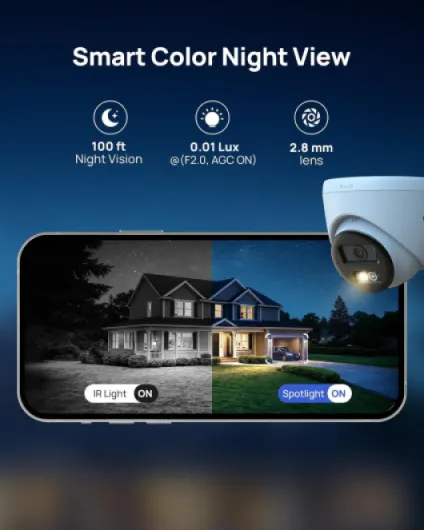
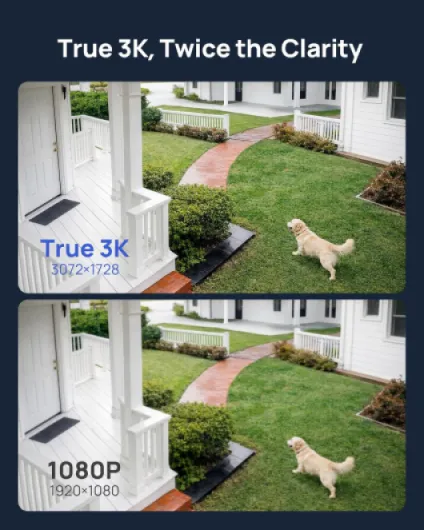
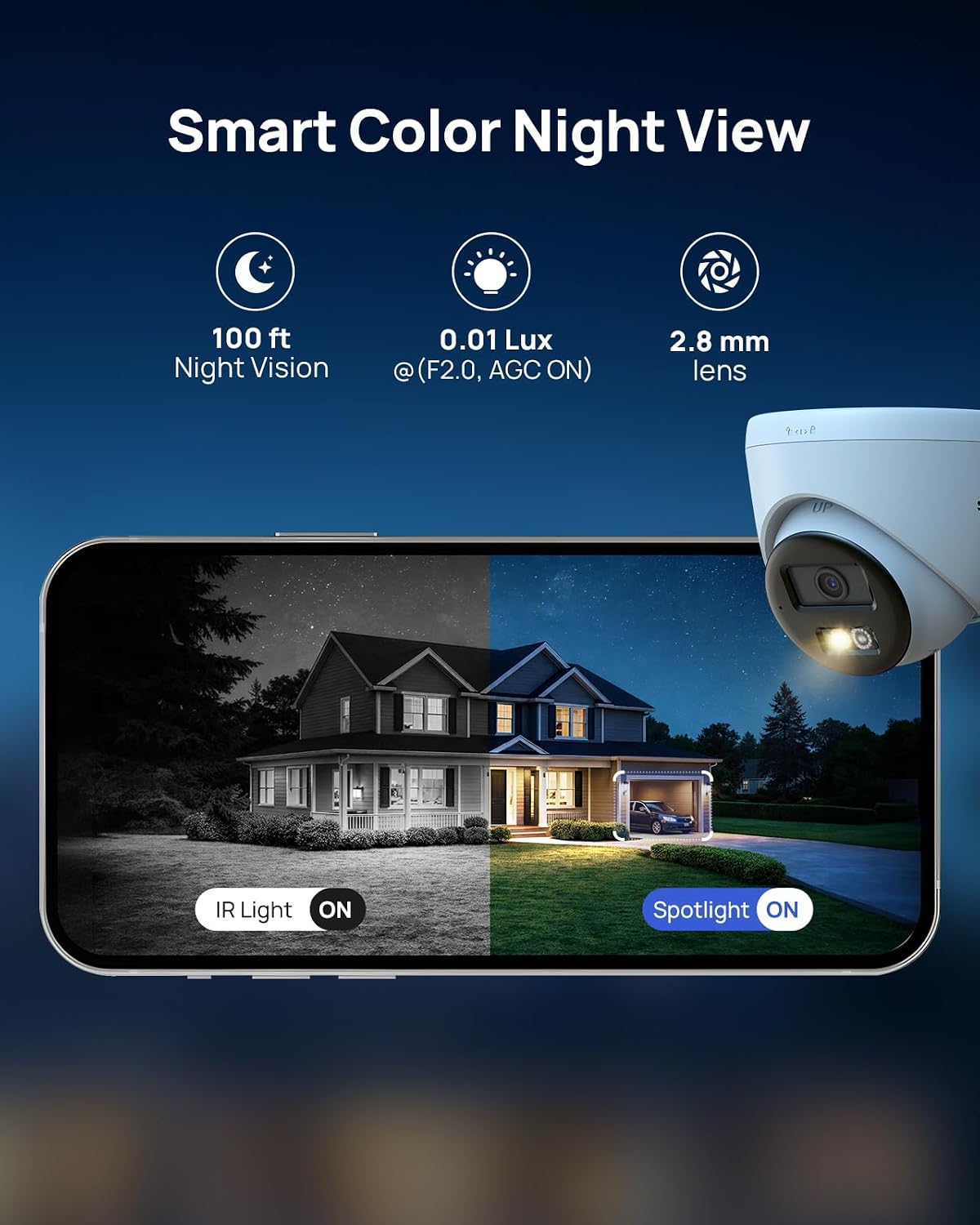
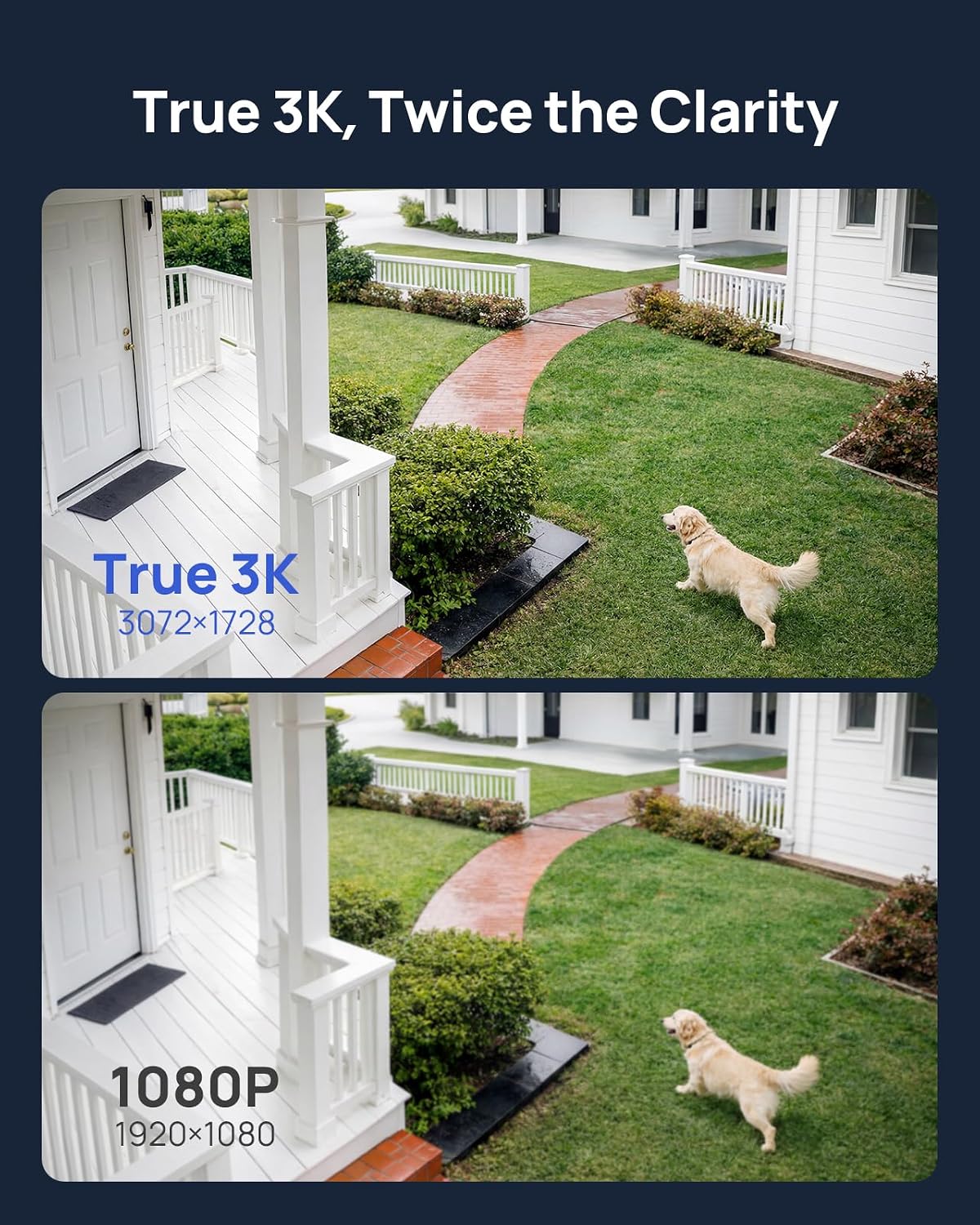
Power over Ethernet also simplifies installation for exterior cameras that need strong night vision and color night capabilities. A single cable can support 4K video, advanced motion detection, and smart features such as facial recognition in some professional series models. If you are weighing a wired camera system against a fully wireless Ring style layout, remember that PoE NVR infrastructure is harder to move but offers unmatched reliability for critical zones like front doors, garages, and ground floor windows.
For renters or people comparing power options, pairing a wired NVR backbone with flexible power accessories for wireless units can be effective, and guides such as this analysis of a quick release battery pack versus plug in adapter show how power choices affect battery life and recording uptime. Even when a camera is not directly connected to the NVR, understanding how long its battery life lasts under continuous motion detection helps you design a balanced system. In practice, many households run wired PoE NVR channels for perimeter security, then add a few wireless Ring style cameras indoors where drilling is not allowed.
Wireless cameras, Ring style flexibility, and NVR camera integration
Wireless security cameras appeal to many Ring users because they avoid drilling, allow quick relocation, and often include smart app controls. These camera systems rely on Wi Fi to send video to either a cloud service, a local NVR camera compatible recorder, or sometimes both for redundancy. When you evaluate the best security camera NVR systems, check whether the NVR system can accept wireless streams from your preferred security camera brand, or if you will rely mainly on cloud storage instead.
Battery powered wireless cameras trade unlimited uptime for placement freedom, so battery life becomes a central metric. High resolution video, frequent motion detection events, and continuous live viewing all drain batteries faster, which matters when you mount a camera high above a stairwell or outside a balcony. Some NVR security platforms can record from wireless cameras only when motion detection triggers, which reduces storage usage and extends battery life, but you must verify compatibility before assuming every wireless camera can talk to every NVR.
Hybrid systems that mix wired and wireless units often deliver the best balance for a Ring style household. You might use a wired NVR with PoE channels for fixed exterior security cameras, then add wireless indoor units that record to cloud storage while still appearing in the same app dashboard. When you compare options in any detailed guide to top security camera NVR systems, pay attention to how each system handles mixed networks, different channel counts, and whether the interface keeps wired and wireless feeds easy to manage.
Lorex series, Ring style setups, and what channel counts really mean
Brand ecosystems matter when you invest in a long term security system, and Lorex is a prominent example in the NVR market. Many Lorex series NVR security bundles offer 4, 8, 16, or even higher channel counts, which define how many security cameras you can connect simultaneously. For a Ring style user who may already own a few wireless units, understanding these channel limits helps you decide whether to centralize everything on one NVR or keep some cameras on separate apps.
Lorex cameras in wired PoE kits often include strong night vision, wide field view lenses, and smart detection modes that distinguish people, vehicles, and sometimes packages. These features reduce false alerts and make reviewing video more efficient, especially when your NVR system stores weeks of continuous recording across multiple drives. When you compare Lorex cameras with Ring style wireless units, you will notice that wired security options usually deliver higher bitrates and more consistent color night performance, while wireless cameras emphasize ease of installation and cloud based sharing.
Price and sale cycles also influence how you build your camera system over time. Large NVR camera bundles with many channels can seem expensive upfront, but the cost per camera and per day of recording often drops sharply compared with paying monthly cloud storage fees for many individual wireless units. If you plan to expand gradually, choosing an NVR security platform with more channels than you initially need lets you add extra security cameras later without replacing the core system.
Smart features, facial recognition, and motion detection in NVR systems
Beyond basic recording, the best security camera NVR systems distinguish themselves through smart analytics that make footage easier to search and trust. Motion detection has evolved from simple pixel changes to advanced algorithms that recognize human shapes, vehicles, and specific zones within the field view. In some high end NVR security platforms, facial recognition tools can identify familiar faces, though you should always review local privacy laws before enabling such features.
Ring style users often value quick, relevant alerts more than raw video resolution. A well tuned NVR system can send push notifications only when motion detection matches a person near your front door, instead of every time a tree moves in the wind. When these smart features are combined with strong night vision and color night modes, your security camera becomes a reliable witness that captures usable details in both daylight and low light conditions.
Storage management is another area where smart features matter. Some NVR camera platforms support event based recording, where only motion detection clips are stored, while others allow continuous recording with smart bookmarks for important events. By adjusting recording schedules, bitrates, and retention periods, you can align storage usage with your budget and price expectations, especially when you run many cameras across a large property.
Balancing price, sale timing, and long term value in NVR security
Cost is often the deciding factor when people compare wired NVR systems with wireless Ring style setups. A single wireless security camera with cloud storage may look affordable at first, but recurring subscription fees accumulate quickly as you add more cameras and extend recording history. In contrast, a well chosen NVR system with local storage has a higher initial price yet offers predictable long term costs, especially when you buy during a seasonal sale.
When evaluating the best security camera NVR systems, calculate the total cost of ownership over several years. Include the NVR hardware, the price of each camera, any optional cloud storage for off site backup, and potential upgrades such as larger hard drives or extra channels. This approach reveals that a robust wired NVR with PoE cameras often delivers better value for large homes, while a smaller apartment may be adequately served by a few wireless units integrated into a flexible security system.
Network planning also affects long term satisfaction. A PoE NVR concentrates traffic on wired links, freeing Wi Fi bandwidth for phones, laptops, and wireless cameras that cannot be wired easily. By designing your security cameras layout with both wired and wireless segments, you reduce congestion, improve video reliability, and create a scalable foundation that can adapt as new smart features and camera series appear on the market.
How Ring style users can choose the best NVR system for their home
For someone already using a Ring style camera, the goal is often to extend coverage without losing simplicity. Start by mapping your property and marking where wired security is practical, such as near existing Ethernet runs, and where only wireless cameras make sense. Then, shortlist NVR security platforms that support enough channels, offer strong night vision and color night options, and provide clear apps for reviewing video and managing motion detection.
Pay close attention to compatibility between your chosen NVR system and any existing security cameras. Some NVR camera platforms are locked to a single brand, while others support open standards that can accept third party cameras over the network. If you want to keep using Ring style wireless units alongside a wired NVR, verify whether you will manage them in one interface or accept a split between an NVR app and a Ring app.
Finally, think about resilience and privacy. Local storage on an NVR protects you from outages in cloud services and reduces dependence on external servers, while optional cloud storage can still provide off site backup for critical video clips. By combining a carefully chosen wired NVR backbone with strategically placed wireless cameras, you create a layered security system that respects your budget, protects your home, and remains flexible as your needs evolve.
Key statistics on security camera NVR systems and home protection
- According to data from the European Commission, homes equipped with visible security cameras and alarm systems experience burglary rates up to 50 percent lower than comparable homes without such systems, highlighting the deterrent effect of a well designed security system.
- Market research from Omdia reports that network video recorder based systems now account for more than 70 percent of new professional video surveillance installations worldwide, reflecting the shift from analog DVRs to IP based NVR security solutions.
- A study by the U.S. Department of Justice found that in over 80 percent of solved burglary cases involving video evidence, usable footage came from fixed exterior cameras with good night vision, underlining the value of carefully placed wired security cameras connected to an NVR.
- Consumer surveys from Parks Associates indicate that more than 60 percent of smart home camera owners subscribe to at least one cloud storage plan, yet a growing share is adding local NVR storage to reduce long term costs and dependence on single vendors.
Sources
- European Commission – Crime and Security statistics
- Omdia – Video Surveillance and Analytics Market reports
- Parks Associates – Smart Home and Security Devices research