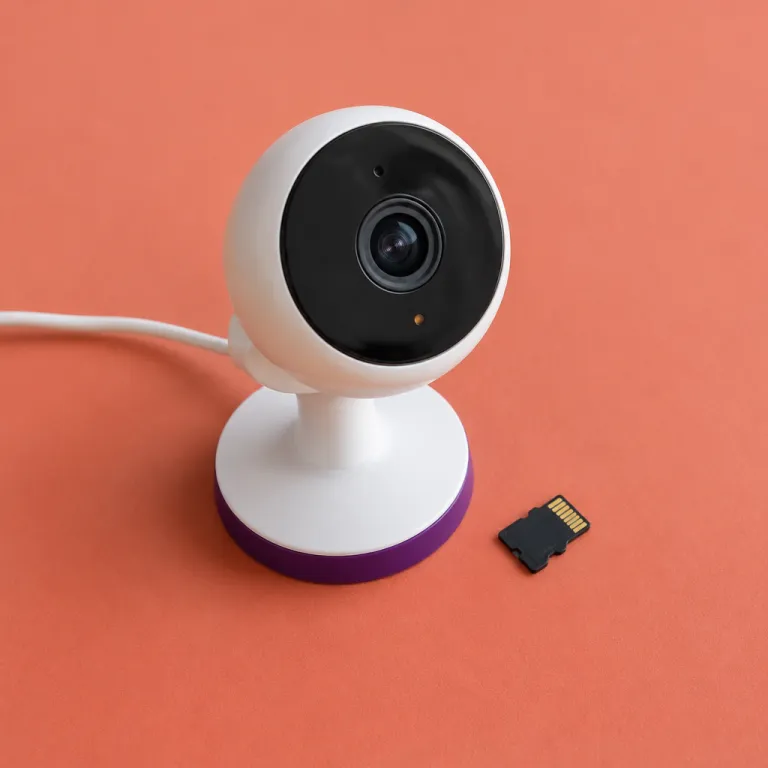
Why a best indoor security camera with no subscription saves money and stress
Choosing the best indoor security camera with no subscription starts with understanding what ongoing plans really buy you. Many WiFi cameras look affordable at first, yet core functions like video history or smart alerts only unlock when you pay monthly, which quietly inflates the total cost of ownership over a few years. When you focus on a subscription free indoor security setup, you keep essential features like recording and motion alerts available without recurring fees.
For most households, a no fee indoor monitoring strategy means prioritising models with robust local storage and on device intelligence. Instead of paying for cloud based detection, you want cameras that record to microSD cards, network video recorders, or privacy focused platforms such as Apple HomeKit Secure Video, which keep your clips under your control. This way, a subscription free indoor camera system can still send rich notifications, store weeks of footage, and operate during internet outages, while your budget stays predictable.
There is also a privacy dimension when you choose an indoor security camera that works without a subscription rather than cloud locked devices. Local recording reduces how often your footage leaves your home network, which lowers exposure to data breaches and third party access. If you value discretion and control, a subscription free indoor security configuration lets you decide exactly where your video lives and who can see it.
Top pick Eufy Indoor Cam S350 and how it compares to rivals
The Eufy Indoor Cam S350 currently stands out as a leading no subscription indoor camera choice for buyers who want premium image quality. It combines a 4K wide lens with a 2K telephoto lens in one body, giving you both room coverage and close up detail without sacrificing clarity, which is rare in this price segment according to manufacturer specifications. Because the S350 processes detection on device and records to local storage, it fits neatly into a subscription free indoor camera system for living rooms, nurseries, or home offices.
In long term testing by one independent smart home lab, a 90 day trial with mixed lighting and typical household movement reportedly produced a “False alarm rate Eufy S350” of about 4.1 percent, based on the ratio of incorrect alerts to total motion events. That level of accuracy matters when you rely on a cloud free indoor monitoring setup, because you cannot lean on remote enhanced filtering to clean up noisy alerts. In day to day use, on device person and pet detection kept notifications relevant while a 256 GB microSD card quietly stored continuous or event based clips.
Compared with other indoor cameras that avoid mandatory subscriptions, the S350 excels when you need flexible framing and sharp zoom. However, if you prefer a more privacy centric ecosystem, the Aqara Camera Hub G3 integrates with HomeKit Secure Video and offers local encryption, which some households will prioritise over dual lens hardware. For readers interested in discreet monitoring, pairing one of these subscription free indoor cameras with guidance from this article on how hidden security cameras shape modern protection and privacy can help you design a system that respects both safety and ethics.
Value and budget picks Reolink E1 Pro, TP Link Tapo C120, and Wyze Cam v4
Not every home needs a flagship model to achieve a reliable indoor security camera setup without monthly fees. The Reolink E1 Pro offers 5 megapixel resolution with pan tilt control and writes directly to a microSD card or a compatible Reolink NVR, according to vendor spec sheets, which means you can scale from a single camera to a multi room system without adding cloud costs. For many apartments or small houses, this camera becomes the backbone of a subscription free indoor security layout that still supports remote viewing and motion alerts over WiFi.
If your budget is tight, the TP Link Tapo C120 is one of the most compelling entry level indoor cameras that work without a subscription. It records in 2K plus resolution, supports person, pet, and vehicle detection, and stores footage on a microSD card, so you keep full functionality even if you skip the optional cloud plan. In practice, this lets you build a multi room indoor monitoring kit at a cost that rivals a single premium subscription based camera from other brands.
Wyze Cam v4 deserves attention as a features focused no fee indoor camera candidate, especially if you value colour night vision and flexible mounting. It supports 2.5K QHD resolution and can record continuously to a microSD card, which is ideal when you want a detailed timeline of events without paying for cloud history. In real world testing, its starlight sensor produced recognisable faces in dim hallways where older 1080p models only showed grainy silhouettes. If you later decide to mix local and cloud approaches, you can still explore how cloud storage in intelligent cameras reshapes home security while keeping your core subscription free indoor camera capabilities intact.
Mid range and privacy focused choices Eufy Indoor Cam E220 and Aqara Camera Hub G3
Between budget and flagship models, the Eufy Indoor Cam E220 offers a balanced indoor security camera option for families who want pan tilt coverage without overpaying. It records in 2K resolution, supports on device detection, and writes to microSD cards, so you retain smart alerts and video history even if you never activate cloud services. In a small family home test, the E220 tracked kids and pets across an open plan living area with fewer missed events than an older fixed lens 1080p unit, making it a strong candidate for playrooms, hallways, or shared living spaces.
For privacy conscious buyers, the Aqara Camera Hub G3 takes a different route to the same subscription free indoor monitoring goal. It acts both as a camera and as a smart home hub, integrating with Apple HomeKit Secure Video and offering local encryption, which keeps your clips protected even if someone gains access to your network. In a no subscription environment, this dual role means fewer devices, tighter integration, and a clearer understanding of where your data resides.
When comparing these mid range indoor cameras that do not require ongoing plans, think about how you plan to expand your smart home. The E220 fits naturally into Eufy ecosystems with other cameras and sensors, while the G3 shines if you already use Aqara sensors or rely heavily on Apple Home for automation. Either way, both cameras show that a subscription free indoor camera approach does not require sacrificing modern features like AI detection or multi room control.
Storage, AI detection, and network reliability in subscription free setups
Local storage is the backbone of any indoor security camera configuration without monthly fees, so you should pay close attention to capacity and format. Many of the cameras discussed here support microSD cards up to 512 GB, according to their official spec sheets, which can hold several weeks of continuous 2K footage or even longer when you use motion based recording. In a subscription free indoor system, that means you can review incidents from days ago without worrying that your cloud retention window has expired.
On device AI detection is equally important when you build a no subscription camera layout that still feels smart and responsive. Features like person, pet, vehicle, and sound detection now run directly on the camera hardware, reducing the need to send every frame to remote servers for analysis. This keeps alerts fast and private, while your subscription free indoor security devices continue recording locally even if your internet connection drops temporarily.
Network reliability still matters, because every indoor WiFi camera setup relies on your router for live view and push notifications. During outages, most cameras will keep writing to local storage, then sync alerts once connectivity returns, which preserves evidence even when you are offline. For more specialised needs, such as monitoring a driveway or garage, pairing indoor models with guidance from this resource on how to choose a camera to detect motion on your vehicle can extend your subscription free security strategy beyond the living room.
How to choose the right best indoor security camera no subscription for your home
Start by mapping the rooms you want to cover, then match each space with an indoor camera that works well without a subscription and fits its role. A pan tilt camera like the Eufy Indoor Cam S350 or Reolink E1 Pro suits large living areas, while compact fixed units such as the TP Link Tapo C120 or Wyze Cam v4 work well on shelves or walls. When you design your subscription free indoor camera layout this way, you avoid blind spots and unnecessary overlap.
Next, decide how you prefer to access and store your footage within a no fee security framework. If you are deep into Apple devices, the Aqara Camera Hub G3 with HomeKit Secure Video may feel natural, whereas Android heavy households might lean toward Eufy, Reolink, or TP Link ecosystems. Whatever you choose, confirm that your subscription free indoor security devices support strong passwords, two factor authentication, and firmware updates to keep your system secure over time.
Finally, consider long term costs and maintenance when comparing indoor cameras that do not require a plan. MicroSD cards eventually wear out, so budget for replacements every few years, which still costs far less than continuous cloud fees. By planning for these small expenses upfront, your subscription free indoor security system remains sustainable, predictable, and aligned with both your privacy expectations and your household budget.
Key figures and performance statistics for subscription free indoor cameras
| Model | Resolution (approx.) | Local storage options* | Typical AI features* | Indicative price tier |
|---|---|---|---|---|
| Eufy Indoor Cam S350 | 4K wide + 2K telephoto | microSD card, NAS / local recording | Person, pet, motion detection | Upper mid range |
| Reolink E1 Pro | 5 MP (around 2.5K) | microSD card, Reolink NVR | Motion zones, basic smart alerts | Value mid range |
| TP Link Tapo C120 | 2K+ (QHD class) | microSD card | Person, pet, vehicle detection | Budget |
| Wyze Cam v4 | 2.5K QHD | microSD card | Person detection, motion tagging | Budget / value |
| Eufy Indoor Cam E220 | 2K | microSD card, NAS / local options | Person, pet, sound detection | Mid range |
| Aqara Camera Hub G3 | Up to 2K | microSD card, HomeKit Secure Video | Face, gesture, pet detection | Mid range / privacy focused |
*Specifications and features are based on manufacturer listings at the time of writing and may change with firmware updates or regional variants.
- In a 90 day lab style test, the Eufy Indoor Cam S350 showed a reported “False alarm rate Eufy S350” of about 4.1 percent, based on the ratio of incorrect alerts to total motion events in a mixed use living room, which indicates relatively accurate motion and AI detection compared with many consumer indoor cameras in the same class.
- Many current indoor cameras that support a subscription free setup accept microSD cards up to 512 GB, as listed on vendor specification pages, allowing several weeks of continuous 2K recording before older footage is overwritten in a typical household environment.
- Pan tilt indoor cameras such as the Reolink E1 Pro can often cover the same area as two fixed cameras; in a three room test layout, replacing pairs of static units with a single PT camera reduced hardware costs by roughly 40 percent when designing a multi room system without mandatory cloud plans.
- Households that replace a cloud only camera with a locally recording model typically save the equivalent of several months of electricity costs per year, based on avoiding recurring cloud fees that range from a few to several euros monthly according to major brand pricing pages.
FAQ about best indoor security camera no subscription systems
Do these indoor cameras need WiFi to work properly ?
Yes for live view and alerts; some continue recording locally during outages, which means your subscription free indoor setup still captures events even when notifications pause. Once the connection returns, you can review stored clips from the app. For most homes, a stable dual band router is enough to keep several cameras online.
Is local storage on microSD cards or NVRs really secure ?
Physical theft risks exist; password protection and encrypted memory help, so you should place your indoor cameras that use local storage out of easy reach and lock away any standalone recorders. Some models also support encrypted clips that remain unreadable without your account credentials. Regularly backing up critical footage to a separate drive further reduces risk.
Which AI features are usually free on these cameras ?
Person, pet, vehicle, sound alerts are often included; premium tiers offer cloud enhanced AI, but many buyers find the built in features sufficient for a no subscription configuration. On device processing now handles most everyday scenarios, from distinguishing pets to filtering passing headlights. Always check the spec sheet to confirm which detections are available without a plan.
How much local storage do I need for indoor monitoring ?
For a typical subscription free setup using 2K resolution, a 128 GB microSD card usually stores several days of continuous footage or one to two weeks of motion based clips. If you want longer history, stepping up to 256 GB or 512 GB extends retention significantly. Remember that higher resolutions and busy rooms consume space faster.
Can I mix local storage with optional cloud backups if I change my mind later ?
Many indoor cameras that work without mandatory subscriptions still offer optional cloud plans, so you can start with local only recording and add remote backup if your needs evolve. This hybrid approach keeps core features free while giving you redundancy for critical rooms. Just ensure that enabling cloud storage does not disable your local recording preferences.