1. Are robot vacuums worth it for your lifestyle and home layout ?
Many buyers start by asking very simply are robot vacuums worth it for their real daily routine. The honest answer is that robot vacuum value depends on your floor types, home layout, and how much you hate pushing a traditional vacuum. In compact apartments with mostly hard floors, robot vacuums are often worth it because they can maintain cleanliness with minimal effort.
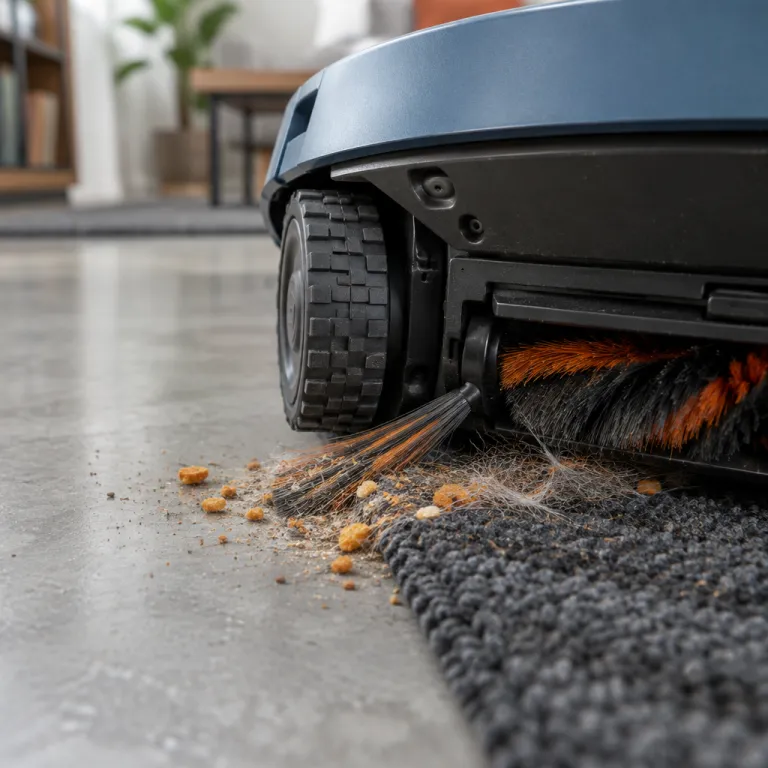
In larger multi level houses with thick carpets, you must think more carefully about whether robot vacuums are worth it as a primary cleaning tool. They excel at frequent light cleaning but still struggle with deep pile rugs, stairs, and tight corners where a corded vacuum or cordless stick remains essential. When you understand that robot vacuums are worth it mainly as maintenance cleaners rather than full replacements, expectations become realistic and satisfaction rises.
Consumers who travel often or work long hours usually find robot vacuums are worth it because they automate a chore that would otherwise pile up. If you live with pets that shed heavily, a robot running daily can keep hair under control far better than a weekly manual clean. For households that already vacuum every day and enjoy it, robot vacuums are worth it less for time savings and more for convenience on busy days.
2. Key benefits that make robot vacuums worth it for many homes
The strongest argument when asking are robot vacuums worth it is time saved. Once scheduled, a good robot quietly cleans while you work, sleep, or relax, turning a repetitive task into background automation. Over a year, that can mean dozens of hours reclaimed for family, hobbies, or even other home tech research like comparing grooming tools in a wet shave versus dry shave guide.
Modern mapping robots build a floor plan of your home, then clean in straight efficient lines instead of random bump patterns, which is a major reason many owners say robot vacuums are worth it compared with older models. Room based control lets you send the robot only to the kitchen after dinner or to the hallway after kids come home from school. Flagship models now add mop vac features and obstacle avoidance, so they can vacuum and lightly mop hard floors while dodging shoes, toys, and pet bowls.
For people with allergies, robot vacuums are worth it because frequent passes capture dust and dander before they settle again. Self emptying docks, now common in mid tier robots, reduce contact with dust and mean you may empty a bag only every month or two. When you combine these features with app control and voice commands, robot vacuums are worth it as a central piece of a more comfortable and automated home.
3. Where robot vacuums fall short compared with traditional vacuums
Even enthusiastic owners admit that asking are robot vacuums worth it as a total replacement for manual vacuums leads to disappointment. Manufacturers and independent testers agree on one key point : “Do robot vacuums replace regular vacuums? They maintain floors but don’t replace deep cleaning tasks like stairs or upholstery.” That single limitation shapes how you should plan your cleaning toolkit.
Deep carpet cleaning scores for the best modern models can reach around 96 percent in controlled tests, yet that still trails powerful upright vacuums on thick carpets. Robots also cannot climb stairs, clean sofas, or reach high baseboards, so you will still need a handheld or stick vacuum for those jobs. When you compare them to other big tech decisions such as choosing between a projector and a smart TV for your home theater, the same logic applies : each tool excels at different tasks, and robot vacuums are worth it only when you accept their defined role.
Navigation has improved dramatically, but cluttered homes still challenge even premium robots, which can tangle on cables or lightweight rugs. If your floors are often covered with toys, clothes, or bags, you may feel robot vacuums are worth it only after you change your habits and keep pathways clear. People expecting a single button miracle often feel underwhelmed, while those who treat the robot as a smart assistant alongside a main vacuum usually feel robot vacuums are worth it long term.
4. Costs, running expenses, and long term value
When you ask are robot vacuums worth it, price and running costs matter as much as features. Entry level models can be affordable but may lack mapping, strong suction, or reliable obstacle avoidance, which can reduce their real world value. Mid range and flagship robots with self emptying docks and advanced navigation cost more upfront but often deliver better cleaning and fewer frustrations.
Independent analyses of filters, brushes, and battery replacements show that typical annual cost of ownership for a robot vacuum sits roughly between 80 and 180 dollars. One industry summary pegs a representative figure near 100 dollars per year, which includes consumables and occasional parts. When you spread that over weekly or even daily cleaning, many households decide robot vacuums are worth it because the cost per cleaning cycle becomes very low.
Energy consumption is modest, so electricity rarely tips the scale when deciding are robot vacuums worth it for your budget. The bigger financial question is whether you will actually use the robot enough to justify the purchase, especially if you already own a good manual vacuum. If you value time highly and enjoy a consistently tidy floor, robot vacuums are worth it as a multi year investment rather than a flashy gadget.
5. Matching robot vacuums to floor types, pets, and household habits
Flooring is one of the most decisive factors when judging are robot vacuums worth it for your home. Hard floors and low pile carpets are ideal because robots can maintain them efficiently without getting bogged down. On thick shag rugs or high pile carpets, even strong robots may struggle to move freely or pick up embedded dirt.
Households with pets often find robot vacuums are worth it because daily runs capture hair before it forms tumbleweeds under furniture. Look for rubber brush rolls that resist tangles and high efficiency filters that trap dander, especially if anyone has allergies. In these homes, self emptying docks are especially valuable, since pet hair fills small dustbins quickly and frequent manual emptying can become tedious.
Your habits matter just as much as your floors when deciding are robot vacuums worth it. If you are willing to tidy cables, pick up toys, and close doors before scheduled runs, the robot will perform far better. For people who prefer set and forget automation across the home, pairing a robot vacuum with other budget friendly smart devices from a curated list of smart home upgrades under 50 dollars can create a very efficient ecosystem.
6. Who should buy a robot vacuum and who should skip it
Not every buyer who wonders are robot vacuums worth it will reach the same answer. Busy professionals, parents of young children, and pet owners usually benefit the most because they gain daily maintenance without carving out extra time. People with mobility challenges also often find robot vacuums are worth it since they reduce the physical strain of pushing a heavy machine.
On the other hand, if your home has many levels, mostly stairs, or very thick carpets, a robot may spend more time stuck than cleaning. In such cases, a powerful upright or cordless stick vacuum can be a better primary investment, with a robot added later only for specific rooms. For enthusiasts who enjoy hands on cleaning and already vacuum frequently, robot vacuums are worth it mainly as a convenience upgrade rather than a necessity.
Ownership surveys in the United States suggest that only around 13 percent of adults currently have a robot vacuum, which shows the category is still growing and not yet universal. As mapping, obstacle avoidance, and mop vac combinations improve, more households will reassess whether robot vacuums are worth it for their changing needs. If you evaluate your floors, habits, and budget honestly, you can decide with confidence whether robot vacuums are worth it for you right now or better left for a future upgrade.
Key statistics about robot vacuums and value
- Typical annual running costs for robot vacuums range from about 80 to 180 dollars per year, with a representative estimate near 100 dollars including filters, brushes, and occasional parts, according to industry cost analyses.
- Best in class modern robot vacuums can achieve deep carpet cleaning scores around 96 percent in standardized lab style tests, which brings them closer to traditional vacuums but still leaves a gap on thick carpets.
- Robot vacuum ownership among adults in the United States sits at roughly 13 percent, indicating that while adoption is growing, most households still rely primarily on manual vacuums.
- Hard floors and low pile carpets remain the best surfaces for robot vacuums, while stairs, upholstery, and very high pile rugs still require separate cleaning tools.
- Recent product generations show a clear trend toward self emptying docks and combined mop vac designs, which increase convenience and help more buyers feel robot vacuums are worth it over several years of use.
FAQ about whether robot vacuums are worth it
Do robot vacuums replace regular vacuums in most homes ?
No, robot vacuums do not fully replace regular vacuums in most households. They are excellent at maintaining floors between deeper cleans but cannot handle stairs, upholstery, or tight edges as effectively. Most owners keep a traditional upright or cordless stick for periodic deep cleaning.
How much do robot vacuums cost to run each year ?
Running costs for robot vacuums typically fall between 80 and 180 dollars per year. This range covers replacement filters, brushes, and eventual battery changes rather than electricity, which is usually minimal. When spread over frequent cleaning cycles, many users consider these costs reasonable for the convenience gained.
Are robot vacuums worth it on carpets and rugs ?
Robot vacuums perform best on hard floors and low pile carpets, where they can move freely and pick up everyday dust and crumbs. On medium pile carpets they can still be effective, especially higher end models with strong suction and good brush design. Very thick or shag rugs remain challenging, so you may still need a manual vacuum for those areas.
Which homes benefit most from robot vacuums ?
Homes with mostly open layouts, few thresholds, and limited clutter benefit the most from robot vacuums. Busy households with pets or children often see strong value because daily automated cleaning keeps hair and crumbs under control. Small apartments with hard floors are another ideal scenario where robot vacuums are worth it as the main maintenance tool.
What should I look for when buying my first robot vacuum ?
Focus on navigation quality, suction power, and support for your floor types before chasing extras. Mapping, room based cleaning, and a reliable app usually matter more than niche features. If you have pets or allergies, prioritize models with self emptying docks and high efficiency filters to maximize the feeling that robot vacuums are worth it in everyday use.