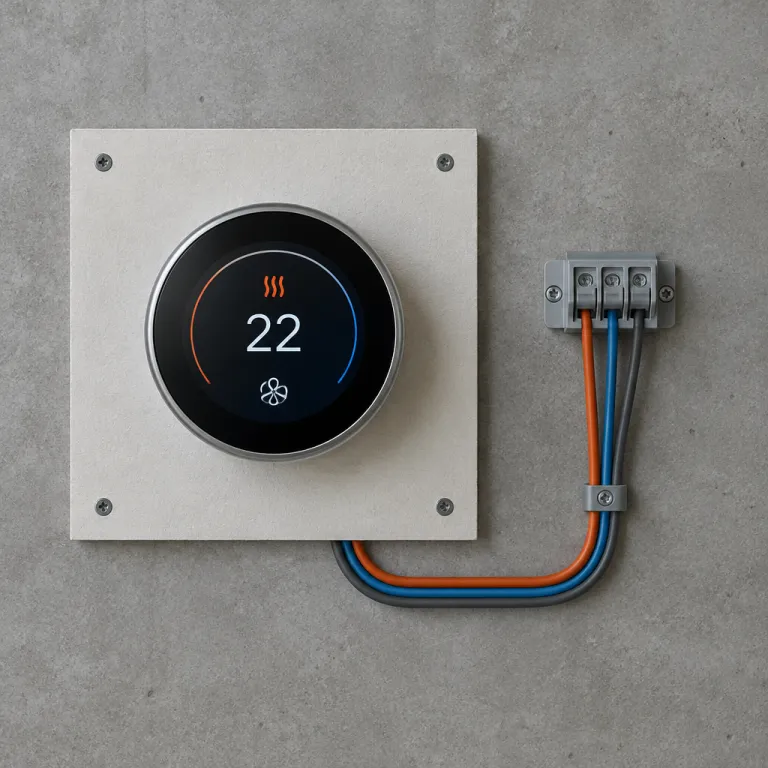
Why the best smart thermostat for heat pump systems matters
Smart thermostats may look similar on the wall, yet heat pumps demand more sophisticated control. A dedicated heat pump thermostat must coordinate the compressor, the reversing valve, and backup electric or gas heat with far greater precision than a simple furnace control. When you search for the best smart thermostat for heat pump setups, you are really choosing how efficiently your entire comfort system will run and how often expensive backup heat turns on.
With a conventional boiler or single-stage furnace, temperature swings mostly affect comfort, not running costs. A heat pump paired with the wrong thermostat can trigger electric strip heaters too often, which are usually the most expensive way to produce heat in a home. That is why a high-quality smart thermostat for heat pump installations always includes clear control of auxiliary heat, emergency heat, and staging logic, so the compressor does most of the work before backup heat engages.
Energy agencies such as ENERGY STAR report that smart thermostats can cut heating and cooling use by around 8 percent on average.1 That saving only happens when the thermostat understands your equipment type and avoids unnecessary auxiliary heat. When you choose a well-matched smart thermostat for heat pump systems, you are not just buying an app-friendly gadget, you are buying a control brain that protects your electricity bill every cold night and keeps comfort more consistent from room to room.
Core features that define the best smart thermostat for heat pump use
Several technical features separate a generic Wi‑Fi thermostat from a truly capable heat pump controller. First, look for explicit support for heat pumps with auxiliary or emergency heat, often written as 2H or 2H/1C with AUX or E terminals. This ensures the thermostat can stage the compressor and the backup heat independently, which is essential for any serious smart thermostat designed for heat pump duty.
Auxiliary heat lockout is the second non‑negotiable feature for efficient heat pump operation. A lockout lets the thermostat block electric strip heat above a chosen outdoor temperature, so the compressor does the work instead of your most expensive heating element. Many of the better smart thermostat models combine this with outdoor temperature data from the internet or an external sensor, so they can automatically decide when to allow backup heat; for example, you might lock out strips above 30–35 °F and allow them freely below that range.
Third, check for compatibility with variable-speed or inverter‑driven heat pumps, which modulate capacity instead of simply turning on and off. Not every smart thermostat can talk natively to these advanced systems, and some brands require proprietary communicating controls. If you want a broader view of energy‑saving controls beyond thermostats, you can read about smart thermostats and energy‑saving smart home devices that genuinely cut your bills on Guru Picks, which places the leading heat pump thermostat options in a wider efficiency context.
Top pick: ecobee Smart Thermostat Premium as the best smart thermostat for heat pump owners
The ecobee Smart Thermostat Premium stands out as a top pick thermostat for many modern heat pump systems. It supports up to two stages of heating and cooling on a heat pump, including auxiliary heat, which makes it suitable for most residential 2H/2C layouts. For many households, this balance of staging support, sensors, and smart features makes it one of the best smart thermostat choices for heat pump setups that need both comfort and control without complex configuration.
Ecobee includes a high‑quality room sensor in the box, which helps even out temperatures between floors or distant rooms. The thermostat can prioritize occupied rooms, reduce hot and cold spots, and still respect your schedule and energy goals. When you compare the leading smart thermostat candidates for heat pump use, this sensor‑based comfort approach is a major advantage over basic models that only read temperature at the hallway and cannot see what is happening in bedrooms or home offices.
For homeowners who prefer a more hands‑off experience, the Google Nest Learning Thermostat 4th gen is another strong contender. It offers Heat Pump Balance, automatic auxiliary heat lockout, and dual‑fuel support, which are all critical for efficient heat pump operation. You can explore a detailed look at this model in an article about the latest Nest thermostat 4th generation on Guru Picks, which helps you judge whether it is the right smart thermostat for heat pump systems in your specific home and budget range.
Hands off comfort: Nest, Sensi Touch 2, and Honeywell Home T9 compared
The Google Nest Learning Thermostat 4th gen appeals to people who want the thermostat to learn their habits. Its Heat Pump Balance feature automatically blends compressor use and auxiliary heat to maintain comfort while limiting expensive backup heat. For many users who do not want to tweak settings manually, this automation makes it feel like the best smart thermostat for heat pump comfort with minimal effort, especially in homes where schedules change often.
The Sensi Touch 2 Smart Thermostat targets buyers who prefer a clear touchscreen and no subscription fees. It works with many heat pumps, supports a C wire, and can pair with room sensors for better temperature averaging. If you value straightforward controls and local access, you may consider it the best smart thermostat for heat pump systems where simplicity and reliability matter more than advanced automation, and where you want a midrange price instead of a flagship cost.
Honeywell Home T9 focuses heavily on sensor‑based comfort, using remote sensors to track both temperature and occupancy. It supports heat pumps with electric backup heat and can direct conditioning to the rooms you actually use, which reduces wasted runtime. In multi‑room homes, this targeted control can make the T9 feel like the best smart thermostat for heat pump owners who struggle with uneven temperatures between bedrooms and living spaces and want a balance of features and moderate pricing.
Budget and geofencing picks: Amazon Smart Thermostat and Mysa
Not every home needs a flagship model to gain real benefits from a smart thermostat. The Amazon Smart Thermostat is a budget‑friendly option designed for simpler single‑stage heat pumps, though it usually requires a C wire or an adapter. For smaller apartments or mild climates, this can still be the best smart thermostat for heat pump systems that do not use multi‑stage compressors or complex backup heat, and where keeping upfront cost low is a priority.
Mysa Smart Thermostat for Heating and Cooling is tuned specifically for heat pump and auxiliary heat behavior. It is ENERGY STAR certified and emphasizes strong geofencing, so it can automatically adjust temperatures when you leave or return, without a subscription. For many tech‑savvy owners who rely on location‑based control, Mysa becomes the best smart thermostat for heat pump setups where geofencing and non‑subscription operation are top priorities and where you want clear control over when aux heat can run.
When comparing these budget and midrange models, always confirm that your wiring includes AUX or E and O or B terminals for the reversing valve and backup heat. The dataset guidance is clear on this point and states, “Do I need AUX/E and O/B wires? Yes for heat pump reversing valve and auxiliary/emergency heat control.” Matching your wiring and equipment type to the thermostat capabilities is the only way to ensure you actually end up with the best smart thermostat for heat pump performance in your home rather than a device that cannot use all features.
Practical buying checklist for the best smart thermostat for heat pump systems
Before you order anything, take a clear photo of your existing thermostat wiring with the power off. Note every terminal label, especially O or B, AUX or E, and C, because these determine which models will work safely with your heat pump. This simple step prevents returns and helps you narrow the field to the best smart thermostat for heat pump compatibility in your specific installation, whether you choose a premium or budget model.
Next, confirm whether your outdoor unit is single‑stage, two‑stage, or variable‑speed, and whether you have electric strip heat or a gas furnace as backup. Many variable‑speed or inverter units require a manufacturer‑specific communicating thermostat, and the dataset reminds us that “Will any smart thermostat work with variable speed/inverter units? Not always; many need manufacturer approved or communicating interfaces.” If your system is proprietary, the best smart thermostat for heat pump efficiency might still be the original brand control, even if it looks less flashy than third‑party options and offers fewer app integrations.
Finally, think about how you actually live in the home and how you want to interact with the thermostat. If you travel often, strong app control and geofencing matter more, while families with varying schedules may benefit from learning algorithms and room sensors. Matching these lifestyle factors with the technical requirements of your equipment is what truly leads you to the best smart thermostat for heat pump comfort, savings, and long‑term reliability, and you can also explore related smart security choices such as comparing Arlo and Ring home security cameras on Guru Picks to round out your connected home.
Key figures on smart thermostats and heat pump performance
- Average energy savings from smart thermostats for heating and cooling are around 8 percent according to ENERGY STAR, which means a household spending 1,000 dollars per year on climate control could save about 80 dollars annually.1
- Heat pumps with poorly controlled auxiliary electric strip heat can see backup heaters running for more than 30 percent of heating hours in cold snaps, while a well‑configured smart thermostat can cut that runtime significantly by using outdoor temperature lockouts.
- More models now ship with room sensors, reflecting a market shift toward whole‑home comfort rather than single‑point temperature control, which directly benefits heat pump users with multi‑level homes.
- Support for auxiliary heat lockouts has increased across major brands, giving homeowners more direct control over when expensive backup heat can run, especially during milder winter days.
- Compatibility with variable‑speed and inverter systems remains limited among third‑party thermostats, so many such systems still rely on manufacturer‑approved controls to unlock their full efficiency potential and maintain warranty coverage.
FAQ about choosing the best smart thermostat for heat pump systems
Do I need AUX or E and O or B wires for a smart heat pump thermostat ?
Yes, you generally need AUX or E and O or B wires so the thermostat can control both the reversing valve and the auxiliary or emergency heat. Without these connections, the thermostat cannot properly switch between heating and cooling modes or manage backup heat. Always verify these terminals before selecting what you consider the best smart thermostat for heat pump control, and compare your wiring photo to the installation diagrams in the thermostat manual.
Is a C wire required for the best smart thermostat for heat pump setups ?
Most modern smart thermostats either require a C wire or include an adapter to provide continuous power. While some models can run on batteries, stable power is strongly recommended for Wi‑Fi connectivity and reliable operation. When aiming for the best smart thermostat for heat pump reliability, plan to have a C wire available or install a compatible power kit, especially if you use features like always‑on motion sensing or frequent remote adjustments.
Will any smart thermostat work with a variable speed or inverter heat pump ?
No, not every smart thermostat can communicate with variable‑speed or inverter‑driven heat pumps. Many of these systems use proprietary communicating protocols and require a manufacturer‑approved thermostat to access all modulation features. In such cases, the best smart thermostat for heat pump efficiency is usually the original brand control specified by the HVAC manufacturer, and you should confirm compatibility in the equipment documentation or installation guide.
How does a smart thermostat reduce auxiliary heat use on a heat pump ?
A smart thermostat can monitor indoor temperature trends and outdoor conditions to decide when the compressor alone can maintain setpoint. By using auxiliary heat lockout and intelligent staging, it delays or blocks electric strip heaters until they are truly necessary. This behavior is central to the best smart thermostat for heat pump models, which aim to minimize expensive backup heat while keeping you comfortable, particularly during shoulder seasons when outdoor temperatures hover around freezing.
Can a smart thermostat improve comfort as well as energy savings on a heat pump ?
Yes, many smart thermostats use room sensors, occupancy detection, and adaptive schedules to reduce hot and cold spots while still saving energy. Features like temperature averaging and targeted room control are especially helpful in multi‑level homes with a single heat pump system. When you choose the best smart thermostat for heat pump comfort and control, you often gain both smoother temperatures and lower bills, along with clearer insight into how your system is running.
Model comparison: wiring, staging, and compatibility at a glance
| Thermostat model | Typical heat pump wiring | Staging support | Aux / emergency heat control | Variable‑speed / communicating caveats |
|---|---|---|---|---|
| ecobee Smart Thermostat Premium | O/B, AUX/E, C wire recommended | Up to 2H/2C heat pump | Yes, with lockout options | Works with conventional multi‑stage; communicating inverter systems may still need OEM controls |
| Google Nest Learning Thermostat (4th gen) | O/B, AUX/E, C wire often required for stability | Up to 2H/1C heat pump in most homes | Yes, via Heat Pump Balance and settings | Limited support for proprietary variable‑speed equipment; check manufacturer documentation |
| Sensi Touch 2 Smart Thermostat | O/B, AUX/E, dedicated C wire | Commonly 2H/2C conventional and heat pump | Yes, manual configuration in installer menu | Designed for standard 24‑V systems; communicating heat pumps typically excluded |
| Honeywell Home T9 | O/B, AUX/E, C wire | Supports multi‑stage heat pump setups | Yes, with adjustable backup heat behavior | Best for non‑communicating units; advanced inverter models may require brand‑specific stats |
| Amazon Smart Thermostat | O/B, AUX/E on simpler systems, C wire or adapter | Single‑stage heat pump in most installations | Basic auxiliary heat control where supported | Not intended for communicating or complex variable‑speed equipment |
| Mysa Smart Thermostat for Heating and Cooling | O/B, AUX/E where applicable, C/power as specified | Designed for compatible single‑ and some multi‑stage heat pumps | Yes, tuned for heat pump + aux behavior | Check system type carefully; proprietary inverter systems may still need the original thermostat |
1 ENERGY STAR, “Smart Thermostats,” program savings estimates for typical U.S. homes.