Understanding which smart fridge features are worth paying for
Smart fridges now carry a typical cost premium of about 15–25 percent over comparable conventional models, according to recent appliance market surveys from groups such as the Association of Home Appliance Manufacturers and Consumer Reports. That extra money only makes sense when you clearly understand which smart refrigerator features genuinely improve daily life and long term value. Many buyers pay for flashy screens or gimmicks, while manufacturers quietly reserve the best engineering for features that protect food and reduce running costs.
When you compare models, start by listing the connected fridge functions that directly affect food safety, such as adaptive cooling, better insulation, and smart defrost cycles that keep temperatures stable. These core systems are less visible than a big touchscreen, yet they are the capabilities most likely to reduce spoiled groceries and deliver consistent performance. Smart fridges vary widely in how they implement these systems, so reading the technical specifications, independent lab tests, and long term user feedback is essential before you commit.
Think of the purchase as a long term project where you aim to maximize utility, ensure a solid ROI, and improve food safety over many years. The household benefits most when the manufacturer invests in efficient compressors, robust door seals, and intelligent sensors rather than only cosmetic upgrades. In that context, the phrase smart fridge features worth paying for should guide you toward engineering depth, not just surface level convenience. For instance, a mid range smart French door model that costs $300 more than a similar non connected unit can realistically earn back much of that premium over a decade through lower energy use and fewer spoiled items.
Food management: AI inventory, shelf cameras, and real savings
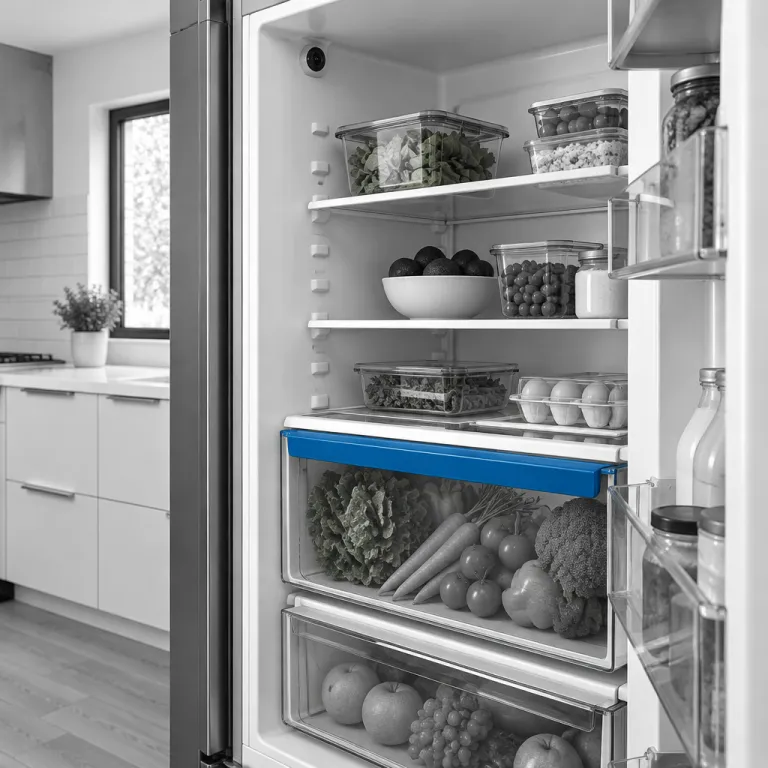
Food management is where many of the smart fridge features worth paying for start to show clear financial returns. AI powered inventory tracking and internal shelf cameras help you see what is inside the fridge without opening the door, which reduces cold air loss and unnecessary duplicate purchases. For a busy household, these connected inventory tools can cut food waste significantly by reminding you what needs to be used before it expires.
Manufacturers now combine barcode scanning, image recognition, and manual item logging to build a real time inventory list on the fridge display or companion app. In a 2020 study by the Waste and Resources Action Programme (WRAP) in the UK, households that actively tracked food and planned meals reduced avoidable food waste by around 20–30 percent, a result that aligns closely with what smart inventory systems aim to automate. Over a few years, such smart fridge features worth paying for can offset part of that 15–25 percent premium through fewer discarded items and more efficient shopping trips. For example, if your household currently throws away $600 of food annually, cutting that by 20 percent saves about $120 per year, which can cover a typical price premium in three to four years.
Internal shelf cameras also support remote viewing, so you can check your fridge contents from the supermarket and avoid buying yet another bottle of milk. When these cameras integrate with AI inventory tracking and expiry reminders, they become practical tools rather than just a novelty. If you enjoy optimizing your home tech ecosystem, pairing this food management data with grocery delivery apps or shared family shopping lists can create a surprisingly coherent, time saving daily workflow. Current examples include large capacity French door models from brands such as Samsung and LG that combine internal cameras, app based lists, and expiry alerts in one interface.
Energy efficiency and running costs: when smart really saves money
Energy performance is one of the least glamorous yet most important smart fridge features worth paying for. A well engineered smart model uses efficient compressors, thick insulation, and adaptive cooling algorithms to maintain stable temperatures with less electricity. For example, recent Energy Star certified smart French door refrigerators from major brands such as LG and Samsung typically use around 600–700 kWh per year, compared with 750–900 kWh for older non certified models of similar size, according to U.S. Department of Energy product databases and Energy Star product listings.
Look for energy saving modes that automatically reduce power draw during off peak hours or when door openings are low, because these smart cooling settings can trim your utility bills every month. Smart defrost cycles that adapt to humidity and usage patterns also prevent ice buildup without wasting energy on fixed timers. Over the lifetime of the appliance, such efficiency focused features often deliver a better ROI than any entertainment oriented function, especially in regions with higher electricity prices. At an electricity cost of $0.15 per kWh, saving even 150 kWh per year compared with an older unit can mean roughly $20–25 in annual savings, which adds up over a typical 10–15 year lifespan.
When you are building an affordable smart home, it helps to think of the fridge as a long term anchor device in your connected ecosystem. A carefully chosen model with strong energy saving modes and reliable connectivity pairs well with other budget conscious upgrades such as smart plugs, LED lighting, and programmable thermostats. In that broader context, the smart fridge features worth paying for are the ones that lower total household energy use while still keeping food safe and fresh.
Connectivity, apps, and voice assistants that genuinely help
Connectivity is often the first thing people think about when they hear the phrase smart fridge features worth paying for. Not every connected function is equally valuable, so you should focus on integrations that simplify real tasks instead of adding distractions. Stable Wi Fi, a mature companion app, and compatibility with major digital assistants such as Google Assistant or Amazon Alexa are usually the most practical priorities.
A good app lets the user adjust temperatures, activate energy saving modes, and check door status remotely, which are all connected refrigerator features worth paying for when you travel or manage a busy household. Voice assistant integration can add hands free convenience, such as asking the fridge to add milk to a shared shopping list while you cook. These connectivity features become genuinely useful when they reduce friction in everyday routines rather than just mirroring what your phone already does.
Manufacturers that invest in secure firmware updates and transparent privacy policies also stand out, because a connected fridge is effectively another computer on your home network. When you evaluate which smart fridge features are worth paying for, include long term software support, data handling, and security certifications in your checklist, not only the initial app design. Over a ten year ownership period, reliable updates and clear privacy controls can matter just as much as the original hardware.
Touchscreens, design, and when premium extras make sense
Large touchscreens and glossy finishes often dominate showroom displays, yet they are not always the smart fridge features worth paying for. A built in display can be useful for quick inventory views, family calendars, and recipe prompts, but only if the interface is responsive and the software receives updates. Many households find that a modest screen paired with a strong mobile app delivers better value than an oversized panel that ages quickly.
Design still matters, especially in open plan kitchens where the fridge is a visual focal point, so some aesthetic upgrades can be smart fridge features worth paying for when they improve durability and cleaning. Fingerprint resistant stainless steel, robust door handles, and flexible interior shelving systems all contribute to daily satisfaction. These design oriented details should support practical use, such as adjustable shelves that accommodate large pots or tall bottles without awkward rearranging.
Manufacturers sometimes bundle entertainment apps, music streaming, or screen mirroring into their premium lines, which can feel impressive during a quick demo. Ask yourself whether those functions will still feel essential after the novelty fades, or whether you would rather allocate budget toward better compressors and insulation. In many cases, the truly smart fridge features worth paying for are the ones you stop noticing because they simply work quietly in the background, keeping food safe and the kitchen organized.
Practical buying checklist and troubleshooting before you buy
Turning all this information into a clear action plan helps you decide which smart fridge features worth paying for align with your household. Start by measuring your space carefully, including doorways and delivery paths, then shortlist models that physically fit before comparing features. This avoids the common mistake of falling for advanced functions that cannot even reach the intended kitchen location.
Next, create a ranked checklist of smart fridge features worth paying for based on your habits, such as AI inventory tracking, shelf cameras, energy saving modes, or deep freezer performance. For each candidate model, verify that these features are present, well implemented, and supported by strong user reviews and independent test results rather than only manufacturer marketing claims. This structured approach turns a complex comparison into a practical troubleshooting exercise where you eliminate models that fail to meet your real needs.
Finally, think about long term ownership by checking warranty terms, availability of service centers, and the brand’s track record for software updates. Smart fridge features worth paying for lose their value if the app stops working or replacement parts become scarce after a few years. By combining careful specification checks with realistic expectations about daily use, you ensure that the connected refrigerator you choose delivers both comfort and measurable savings over time.
Key statistics on smart fridge value and performance
- Market surveys indicate that smart fridges typically cost about 15–25 percent more than comparable non connected models, so buyers should focus on smart fridge features worth paying for that can realistically offset this premium through energy savings and reduced food waste. These figures are consistent with pricing analyses from the Association of Home Appliance Manufacturers and Consumer Reports product comparisons.
- Studies from organizations such as WRAP and the Natural Resources Defense Council suggest that better planning and visibility can cut household food waste by roughly 20–30 percent, which is the same behavior change that AI powered inventory tracking and shelf cameras are designed to support.
- Energy Star data shows that efficient compressors, improved insulation, and adaptive cooling systems can reduce annual electricity use by 10–25 percent compared with older standard refrigerators, highlighting how engineering choices drive real world running costs.
- Smart integration features such as remote monitoring and app based alerts contribute to better purchase satisfaction, since they allow users to respond quickly to issues like doors left open or rising internal temperatures before food safety is compromised.
FAQ: smart fridge features and buying decisions
Are smart fridge features worth paying for in a typical household?
They are worth the premium when you prioritize features that directly impact food safety, energy efficiency, and daily convenience rather than purely cosmetic extras. For most households, AI inventory tracking, shelf cameras, and adaptive cooling provide more long term value than oversized touchscreens or entertainment apps. The key is matching smart fridge features worth paying for to your actual cooking and shopping habits.
Do smart fridges really save energy compared with standard models?
Smart fridges can save energy when they use efficient compressors, strong insulation, smart defrost, and adaptive cooling that responds to door openings and ambient temperature. These engineering choices matter more than the presence of a Wi Fi chip or touchscreen alone. When evaluating smart fridge features worth paying for, always check the official energy rating label and look for documented energy saving modes with clear kWh per year figures.
Is AI powered inventory tracking more than just a gimmick?
AI inventory tracking becomes genuinely useful when it combines internal cameras, barcode scanning, and clear reminders about expiry dates. This helps reduce food waste and prevents duplicate purchases, which can add up to meaningful savings over several years. For many households, it is one of the smart fridge features worth paying for because it supports better meal planning and budget control.
How should I compare different smart fridge brands and models?
Start by listing your top smart fridge features worth paying for, such as energy efficiency, storage flexibility, or connectivity, then compare how each brand implements them. Look at independent test results, long term user reviews, and warranty coverage rather than relying only on showroom impressions. This method ensures you focus on durable performance and support instead of short lived novelty.
What troubleshooting steps should I take before calling service on a smart fridge?
Before contacting service, check basic points such as power supply, door seals, temperature settings, and any error messages in the companion app. Many issues with smart fridge features worth paying for, such as connectivity or sensor alerts, can be resolved by updating firmware, restarting the router, or resetting the network connection. If problems persist, use the manufacturer’s official support channels to avoid voiding the warranty.