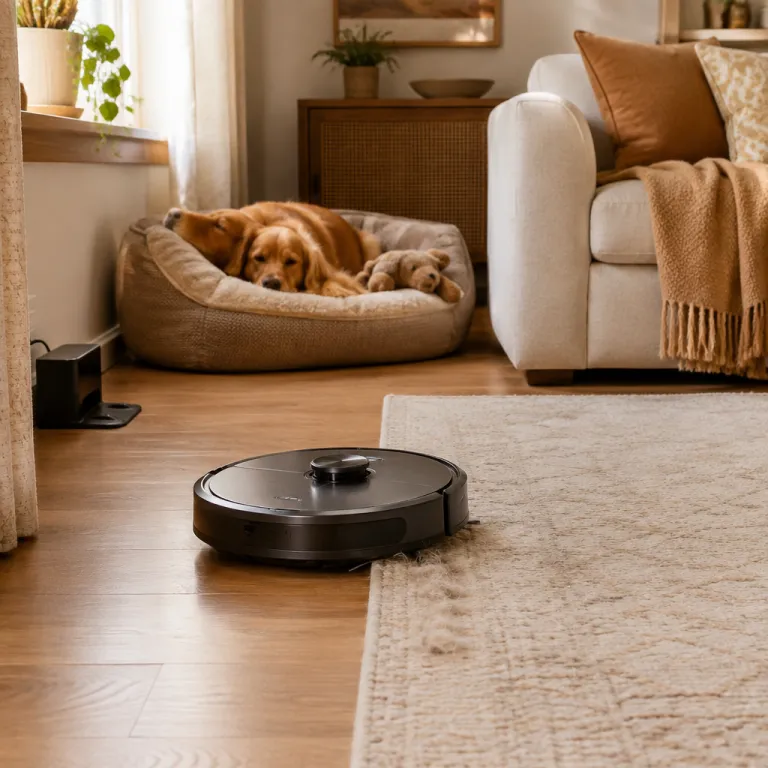
Understanding how to choose a robot vacuum for pets in real homes
Pet owners rarely ask only how to choose a robot vacuum for pets; they ask how to keep fur, crumbs, and litter from taking over. When you live with a dog that sheds heavily or a long haired cat, the right robot vacuum becomes a daily maintenance tool rather than a weekend luxury, so you must evaluate it like any other essential home appliance. Think of it as a quiet cleaning assistant that runs while you work, sleep, or walk the dog.
The typical pet focused robot vacuum starts with stronger suction, around 20 air watts or more, because pet hair and embedded dander cling stubbornly to carpets. When you compare how to choose a robot vacuum for pets against choosing a standard model, you will notice that pet versions often highlight brush design, filtration, and bin capacity before smart features or app tricks. That priority makes sense, since the main job is to capture fur and allergens reliably, not just map your living room beautifully.
Every pet owner, whether first time or experienced, should treat this as a product selection guide rather than a quick impulse purchase. You are not only deciding how to choose a robot vacuum for pets; you are deciding how much manual sweeping, lint rolling, and allergy suffering you want to eliminate over the next several years. A well chosen robot vacuum for pets can reduce visible hair on floors, cut down airborne allergens, and keep your home feeling fresher between deep cleans.
Key performance specs that matter for pet hair and dander
When you analyse how to choose a robot vacuum for pets from a technical angle, three specifications dominate the decision: suction power, filtration, and battery life. Strong suction, typically around or above 20 air watts on pet oriented models, helps lift hair from rugs and cracks where paws constantly track debris. Without that baseline, even the smartest mapping robot will simply glide over fur rather than collect it.
Filtration is equally critical for anyone sensitive to dander or dust, because a robot that stirs allergens into the air defeats its purpose. Many of the best options for people asking how to choose a robot vacuum for pets now include HEPA 13 filters, which can trap very fine particles and reduce sneezing after cleaning cycles. If you or a family member has asthma or allergies, prioritise HEPA filtration over secondary features like coloured finishes or extra decorative lighting.
Battery life determines whether your robot can finish a full cleaning run in one pass, especially in larger apartments or multi room homes. Look for models that can clean at least 80 to 120 square metres on a single charge, and support automatic recharge and resume mapping so they continue where they stopped. The same disciplined approach you might use when reading a smart thermostat buying guide for efficient comfort at home should guide how to choose a robot vacuum for pets, because both purchases affect daily comfort and energy use.
Brushes, rollers, and self cleaning systems for pet households
Brush design is where many buyers misunderstand how to choose a robot vacuum for pets, because they focus only on suction numbers and ignore hair management. Traditional bristle brushes tend to wrap long fur tightly, forcing you to cut it out with scissors every few days, which quickly becomes frustrating in multi pet homes. Rubber or tangle free double brushes avoid hair wrap, making them far better suited to Labradors, Huskies, or long haired cats.
Some modern robots now feature self cleaning rollers or self cleaning brushbars that periodically reverse or scrape hair into the dustbin, reducing manual maintenance. When you evaluate how to choose a robot vacuum for pets, check whether the manufacturer offers these self cleaning rollers as standard or only on premium variants, because the time saved can justify a higher upfront cost. This is especially true if you already manage other smart devices, such as an electric toothbrush with guided modes, where low maintenance design strongly influences long term satisfaction.
Side brushes also matter, since they sweep hair away from skirting boards and furniture legs into the suction path. Look for replaceable, flexible side brushes that can handle contact with chair legs without snapping, and plan to keep spares on hand for heavy shedding seasons. A thoughtful approach to how to choose a robot vacuum for pets always includes checking how easily you can remove, wash, and reinstall every brush component without tools.
Noise, navigation, and mapping in homes shared with animals
Noise level is often underestimated when people research how to choose a robot vacuum for pets, yet it directly affects how comfortable your animals feel. Many dogs and cats react nervously to loud motors, so aim for models that operate below 70 dB on standard modes to keep stress low. That threshold roughly matches a normal conversation, which most pets tolerate better than the roar of a traditional upright vacuum.
Navigation and mapping technology determine whether your robot glides smoothly around food bowls, pet beds, and litter boxes or constantly bumps into them. Advanced mapping with virtual no go zones lets you exclude sensitive areas, which is essential when you think carefully about how to choose a robot vacuum for pets that will not disturb a nervous rescue dog or scatter litter. Voice control mapping through assistants like Alexa or Google Assistant can also help you send the robot to specific rooms without hunting for your phone.
Smart mapping becomes even more valuable in tech heavy homes where you already manage devices like mesh Wi Fi, smart speakers, and refined home office tech essentials. When you plan how to choose a robot vacuum for pets, consider whether the app integrates cleanly into your existing ecosystem and offers clear cleaning history, map editing, and scheduling. A well integrated robot vacuum feels like another quiet, predictable routine in your connected home rather than an unpredictable gadget that needs constant supervision.
Maintenance, hygiene, and dealing with pet messes safely
Long term maintenance is where the smartest buyers truly master how to choose a robot vacuum for pets, because daily reliability depends on simple cleaning routines. A larger dustbin means fewer trips to the rubbish bin, which matters when you run the robot every day during heavy shedding seasons. Models with self emptying bases can stretch that interval to a week or more, but they add cost and require regular bag changes.
Filter care is non negotiable in homes with allergies, since clogged filters reduce suction and allow fine dust to recirculate. When you evaluate how to choose a robot vacuum for pets, check whether the filters are washable or replaceable, and note the recommended replacement interval in months rather than vague cycles. HEPA 13 filters are especially valuable here, but only if you commit to cleaning or replacing them on schedule to maintain their performance.
Wet mop add ons can help with paw prints and light stains, yet they are not designed for liquid accidents or diarrhoea, which should always be cleaned manually first. No robot vacuum, regardless of how carefully you studied how to choose a robot vacuum for pets, can safely handle fresh pet waste without risk of smearing it across the floor. For hygiene and safety, treat robots as tools for dry debris, fur, and dust, and keep enzyme cleaners and traditional mops ready for true pet emergencies.
Budget, value, and matching the robot to your pet lifestyle
Price ranges for robot vacuums aimed at pet owners vary widely, so you need a clear strategy for how to choose a robot vacuum for pets that fits your budget. Entry level models may offer decent suction but limited mapping and basic brushes, which can still work in small flats with short haired breeds. Mid range and premium models add self cleaning rollers, advanced navigation, and stronger filtration that pay off in larger homes or multi pet households.
Think about your specific animals and flooring mix before committing, because a single short haired indoor cat on mostly hard floors demands less from a robot than two large double coated dogs on mixed carpets. When you frame how to choose a robot vacuum for pets around your daily reality, you avoid overspending on features you never use or underspending on a machine that constantly clogs. For example, a home office worker with allergies, two cats, and a mix of rugs and tiles will benefit more from HEPA 13 filters and quiet operation than from rare spot cleaning modes.
Finally, factor in ongoing costs like replacement filters, side brushes, and bags for self emptying bases, because these shape the true cost of ownership over several years. A slightly higher purchase price with cheaper consumables can be better value than a bargain robot with expensive proprietary parts. Treat the process of how to choose a robot vacuum for pets as you would any major tech purchase, weighing upfront cost, maintenance, and daily impact on comfort and cleanliness.
Key statistics for choosing a robot vacuum for pets
- Typical suction power for pet focused robot vacuums is around 20 air watts, which is higher than many basic models and helps lift embedded hair from carpets and cracks.
- Noise levels below 70 dB are generally considered ideal for pet friendly cleaning, because they reduce stress for noise sensitive dogs and cats compared with louder upright vacuums.
- HEPA 13 filters can capture very fine particles, including many common pet allergens, which makes them especially valuable for households where family members experience allergy symptoms.
- Self cleaning rollers and self cleaning brushbars significantly reduce hair wrap, cutting down manual brush maintenance from several times per week to roughly once every few weeks in heavy shedding seasons.
FAQ about how to choose a robot vacuum for pets
What brush type works best for pet hair?
Rubber or tangle-free double brushes avoid hair wrap, making them more effective and easier to maintain than traditional bristle brushes in homes with shedding dogs or cats. This design reduces the time you spend cutting fur from the roller manually. It also helps the robot maintain consistent suction over longer cleaning sessions.
Is HEPA filter essential?
Yes for allergen control. A HEPA 13 filter can trap fine particles such as dander and dust, which benefits anyone with asthma or seasonal allergies. If you are deciding how to choose a robot vacuum for pets in an allergy prone household, HEPA filtration should be treated as a core requirement rather than a luxury feature.
How loud does it get?
Below 70 dB ideal. Robots that operate under this threshold are less likely to frighten pets or disturb conversations and remote work. When you compare models, always check the stated noise level in decibels for both standard and turbo modes.
Do I need a self emptying base for pet hair?
A self emptying base is not mandatory, but it is very convenient in homes with heavy shedding, because the robot can complete more runs without you emptying the bin. If you run daily schedules, the base prevents overfilled bins that reduce suction. Consider it especially when you evaluate how to choose a robot vacuum for pets in larger homes or with multiple animals.
Can a robot vacuum replace traditional vacuuming with pets?
A robot vacuum significantly reduces day to day fur and dust, but it does not fully replace occasional deep cleaning with a powerful upright or canister vacuum. Edges, upholstery, and stairs still benefit from manual attention using specialised tools. Think of the robot as a maintenance partner that keeps floors presentable between deeper cleaning sessions.