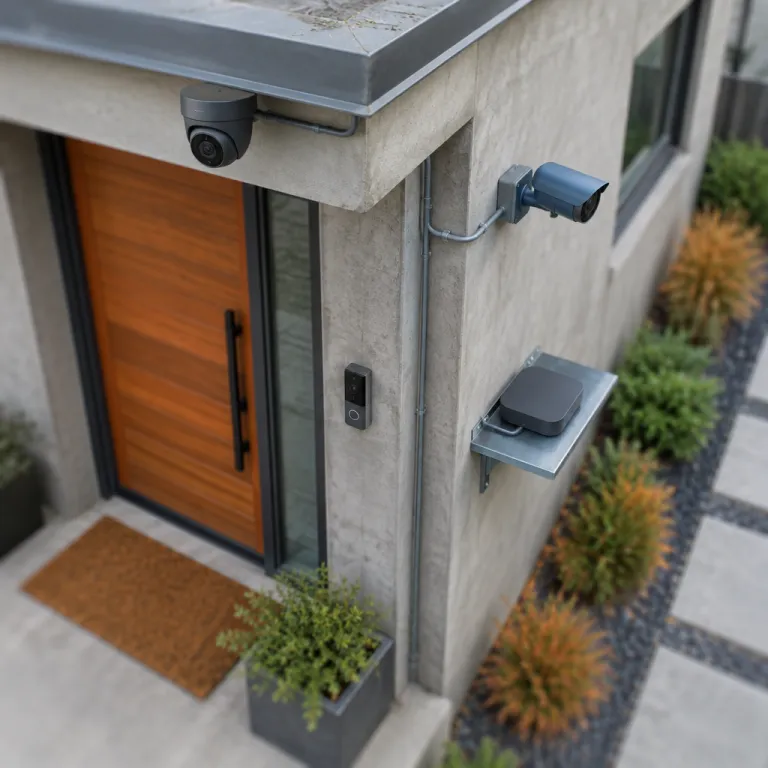
How to read home security camera system reviews like a pro
Most buyers skim home security camera system reviews and miss crucial details. When you slow down and read them methodically, you quickly see which systems fit your home, your privacy expectations, and your long term budget. Treat every write up as a data point, not a verdict, and you will avoid expensive mistakes.
Start by checking how the reviewer tested the cameras, because lab testing alone rarely reflects what happens on a windy, rainy night outside your front door. The strongest evaluations combine controlled lab work with field testing in real homes, including AI accuracy comparisons and subscription feature lock analysis, so you see how motion alerts and storage behave after months of use. When you read, ask whether the reviewer measured night vision clarity, notification delay, and app reliability, since these three factors shape your daily experience more than any spec sheet. Look for concrete numbers, such as average alert latency in seconds or how far faces remain recognisable in low light.
Next, look for clear explanations of wired versus wireless setups, rather than vague praise about flexibility or simplicity. A credible expert will state that wired cameras offer constant power and stable video, while wireless units excel for renters or tricky mounting spots where drilling is impossible. When a comparison spells out these trade offs, you can match each camera type to specific rooms, entrances, and outdoor areas in your property.
Storage is another area where shallow coverage often misleads buyers into recurring fees they never planned. Strong home security camera system reviews always separate local storage options like MicroSD cards or NVR recorders from cloud storage tiers that charge monthly for longer history or advanced AI. Pay attention when reviewers highlight that many basic features included free; advanced AI, cloud storage often paid, because that single sentence can change your five year cost of ownership. The best guides illustrate this with sample three year cost tables that compare one camera with free local recording against a multi camera cloud plan.
Finally, evaluate how reviewers handle privacy and data security, not just image quality or design. Trustworthy guides explain where your footage is stored, who can access it, and how long it is retained, instead of glossing over these points with marketing language. When a review is transparent about limitations and trade offs, you can trust its praise for strengths like HDR video, smart alerts, or seamless app integration.
Comparing top brands in home security camera system reviews
Brand names appear constantly in home security camera system reviews, yet their strengths differ sharply once you look beyond logos. Eufy, Google Nest, Arlo, Ring, SimpliSafe, and ADT each target a slightly different homeowner, so choosing between them should start with your priorities around subscriptions, installation, and monitoring. When you understand these differences, you can read product roundups with a sharper filter and ignore features that do not matter for your situation.
Eufy stands out in many expert home security camera system reviews for its focus on local storage and no required subscription for core features. If you want to avoid monthly fees, Eufy cameras with on device recording or home base storage let you keep footage inside your house, while still offering useful AI detection for people or pets. This approach suits privacy conscious buyers who prefer a one time purchase and who already use other smart gadgets where ownership and control matter, such as locally controlled lighting or thermostats.
Google Nest appears in home security camera system reviews whenever strong AI features and HDR video quality are priorities. Nest cameras integrate tightly with Google Home, offering reliable people detection, familiar face alerts in supported regions, and excellent dynamic range that keeps doorways and driveways visible even in harsh sunlight. If you already use Google speakers or displays, Nest often delivers the smoothest experience, though many advanced functions sit behind a paid subscription.
Arlo and Ring dominate wireless focused home security camera system reviews, but they shine in different homes. Arlo is praised for battery powered, flexible installs and optional solar panels, which help cover detached garages or garden sheds without running cables through walls. Ring fits best into households already invested in Ring doorbells and chimes, where a single app manages cameras, doorbells, and sometimes alarms, although smart alerts and extended cloud history usually require a subscription.
SimpliSafe and ADT appear more often in full system oriented home security camera system reviews than in single camera roundups. SimpliSafe is a top DIY pick that combines cameras with sensors and optional professional monitoring, ideal for people who want a complete alarm system they can install themselves. ADT, by contrast, offers professional installation, trusted brand recognition, and some of the best camera quality and service in the category, which suits homeowners who prefer a managed experience over tinkering.
Key features that matter in home security camera system reviews
When you compare home security camera system reviews, focus on features that change how you live with the system every day. Resolution numbers look impressive on boxes, yet night vision performance, AI detection accuracy, and notification speed usually matter more when something actually happens outside. By prioritizing these elements, you align your purchase with real world security rather than marketing claims.
AI detection is now central in serious home security camera system reviews, because it determines how many alerts you receive and how many you ignore. Look for cameras that distinguish between people, pets, and vehicles, so a passing car or neighbour’s cat does not trigger constant notifications that train you to mute the app. Some brands keep basic motion alerts free but charge for advanced AI, so always check whether features like person detection or package recognition require a subscription before you buy.
Storage options also receive heavy attention in expert home security camera system reviews, and for good reason. Local storage without subscription remains standout feature for many buyers who dislike ongoing fees or who have unreliable internet connections that make cloud uploads inconsistent. When a review explains exactly how MicroSD cards, NVRs, and cloud plans differ in retention time, security, and cost, you can calculate your long term expenses with confidence.
Power and weather resistance shape how and where you can install cameras, especially outdoors. Battery and solar powered units offer flexible placement on fences, sheds, or high eaves, while wired models provide uninterrupted power but require drilling and access to outlets. Some of the most helpful home security camera system reviews show how these choices play out in real gardens, patios, and driveways, using side by side photos or timelines that compare battery drain, uptime, and image clarity after heavy rain.
Finally, pay attention to app design and ecosystem integration, which many quick home security camera system reviews overlook. A clean, responsive app with clear timelines and easy clip sharing can save you minutes every time you check footage or respond to an alert. If you already use smart speakers, displays, or routines, choose cameras that integrate smoothly so you can arm, disarm, or view live feeds with simple voice commands or automation.
Balancing subscriptions, privacy, and total cost in system reviews
Subscription fees are one of the most misunderstood aspects in home security camera system reviews, yet they heavily influence long term value. Many systems look affordable at checkout but become costly once you add multi camera cloud storage and advanced AI features over several years. To avoid surprises, you should always calculate total cost of ownership across at least three years, including hardware, subscriptions, and any optional monitoring.
Careful home security camera system reviews separate what you get for free from what sits behind a paywall. Some brands include basic motion alerts and short cloud clips at no charge, while charging for extended history, rich notifications, or smart detection that filters people, pets, and vehicles. When a review clearly states that many basic features included free; advanced AI, cloud storage often paid, you can decide whether those premium extras justify the ongoing expense.
Privacy concerns also shape how you interpret home security camera system reviews, especially if you are cautious about cloud storage. Local recording to MicroSD or a home base keeps footage within your walls, reducing exposure to remote breaches but requiring you to protect the hardware itself. Cloud storage, by contrast, offers resilience if a thief steals the camera, yet it demands trust in the provider’s security practices and data retention policies.
Some of the most insightful home security camera system reviews now evaluate how brands handle encryption, account security, and data sharing. Look for mentions of two factor authentication, end to end encryption where available, and clear privacy dashboards that let you manage retention periods and sharing settings. When a reviewer explains these elements in plain language, you can judge whether a brand respects your data as much as your front door.
Finally, remember that security cameras often join a broader smart home that may include climate control, entertainment, and appliances. If you are already researching connected devices such as smart thermostats or lighting, think about how all these products share your network and data. The best home security camera system reviews help you see the whole ecosystem, not just isolated gadgets, so you can build a secure, coherent, and manageable home setup.
Real world performance insights from home security camera system reviews
Laboratory specifications rarely tell the full story, which is why real world testing dominates serious home security camera system reviews. Field testing in homes reveals how cameras cope with rain, snow, insects, and car headlights, all of which can trigger false alerts or blur footage. When reviewers share concrete scenarios, you can imagine how each system will behave on your own property.
Recent expert home security camera system reviews have relied on both lab testing and extended field trials to compare AI accuracy and reliability. By placing multiple brands side by side on the same porch or driveway, testers can see which models correctly identify people versus pets and which ones spam your phone with meaningless motion alerts. This kind of comparative testing is far more valuable than isolated impressions, because it exposes weaknesses that marketing materials never mention.
Another strength of high quality home security camera system reviews is their focus on network performance and app responsiveness. Cameras that look sharp in daylight may still frustrate you if live view takes ten seconds to load or if clips fail to upload during peak evening hours. Reviewers who measure notification delay and clip availability under different Wi Fi conditions provide insights that directly translate into your daily experience.
Statistics also help you understand how common home security cameras have become and why performance matters. Surveys in the United States show that households with any security camera now represent around sixty one percent of homes, while video doorbells appear in roughly forty eight percent, which means your system must stand out through reliability rather than novelty. These figures are drawn from SafeHome’s 2023 home security survey, which tracks adoption of cameras and doorbells across U.S. households.
Finally, pay attention to how home security camera system reviews handle edge cases such as power outages, router failures, or internet downtime. Some systems continue recording locally and sync footage later, while others simply stop until connectivity returns, leaving gaps during critical moments. Choosing a system that handles these scenarios gracefully can matter more than chasing the highest resolution or the most colourful marketing images.
Choosing the right system type from home security camera system reviews
Once you have absorbed several home security camera system reviews, the next step is matching system types to your living situation. A small flat, a suburban semi detached house, and a large rural property all demand different coverage strategies and hardware mixes. By aligning system design with your layout, you avoid overspending on features you will never use.
For apartments or rented homes, home security camera system reviews often recommend wireless indoor cameras and a video doorbell where allowed by building rules. Battery powered models avoid drilling and can move with you when you change address, while compact indoor units monitor entry points like balconies or main doors. In these spaces, a simple setup with strong AI detection and reliable notifications usually beats complex multi camera networks.
Detached houses and townhouses benefit from more comprehensive systems that combine outdoor and indoor coverage. Home security camera system reviews for these properties typically highlight a mix of wired cameras for constant power at fixed points, such as driveways and back gardens, plus wireless units for sheds or side paths. Adding a doorbell camera at the main entrance completes the picture, giving you a full record of visitors, deliveries, and unexpected activity.
Larger properties or those with higher security needs may lean toward integrated systems from brands like SimpliSafe or ADT. In these cases, home security camera system reviews often evaluate not only camera quality but also the performance of alarms, sensors, and optional professional monitoring. If you travel frequently or manage a second home, the reassurance of monitored alerts and coordinated response can outweigh the extra cost and complexity.
Whatever your property type, use home security camera system reviews as a map rather than a script, adapting recommendations to your budget, privacy comfort, and technical confidence. Start with essential coverage of entrances and high traffic areas, then expand gradually as you learn how the system behaves in daily life. This staged approach keeps spending under control while ensuring that every new camera or feature genuinely improves your sense of safety.
Key figures shaping modern home security camera choices
- Households with any security camera now represent about 61 percent of homes in the United States, according to a recent SafeHome survey, showing that cameras have become a mainstream security tool rather than a niche gadget.
- Video doorbells are present in roughly 48 percent of households, based on SafeHome reporting, which explains why many home security camera system reviews treat doorbells as a core part of any modern setup.
- Expert testing increasingly combines lab work with field trials in real homes, using methods such as AI accuracy comparisons and subscription feature locks analysis, so buyers can see how systems behave over months rather than minutes.
- Innovation around local storage without subscription remains standout feature in many product lines, reflecting strong consumer demand for security solutions that do not require ongoing monthly payments.
FAQ: practical questions from home security camera system reviews
Do I need a subscription for my home security cameras ?
Many basic features included free; advanced AI, cloud storage often paid. Most brands let you view live video and receive simple motion alerts without paying, but extended cloud history, rich notifications, and advanced detection usually require a monthly or yearly plan. Always check home security camera system reviews for a clear breakdown of free versus paid features before committing.
Should I choose wired or wireless cameras for my home ?
Wired or wireless ? Wired gives constant power; wireless offers flexible install. Wired cameras suit permanent locations like driveways or back gardens where you can run cables and want uninterrupted recording. Wireless models are better for renters, hard to reach spots, or temporary placements, and home security camera system reviews often recommend mixing both types for balanced coverage.
How important is video quality in home security camera system reviews ?
How important is video quality ? Night vision and resolution matter most for clarity of incidents. High resolution helps you zoom in on faces or licence plates, while strong infrared or colour night vision ensures usable footage after dark. When comparing home security camera system reviews, prioritise models that maintain detail in low light rather than chasing the highest daytime resolution alone.
Can I rely only on local storage without using the cloud ?
Many buyers choose cameras with MicroSD or NVR storage to avoid recurring fees and keep footage inside the home. This approach works well if you protect the recording device from theft or damage and accept that remote access may be limited without cloud backup. Detailed home security camera system reviews will explain how each brand handles local recording, clip retrieval, and what happens if the camera is stolen.
What should I prioritise if I am buying my first security camera ?
For a first purchase, focus on reliable alerts, simple installation, and clear night vision rather than advanced automation. Choose a camera with straightforward app controls and strong reviews for stability, then expand to more cameras or features once you understand your real needs. Using home security camera system reviews as a guide, start small, learn the system, and scale only when each new device adds genuine value.
Trusted references for deeper research
- Consumer Reports – independent lab testing and long term reliability insights on home security cameras.
- Tom's Guide – comparative reviews and buying advice for smart home security systems.
- Wired – in depth analysis of privacy, security, and ecosystem issues in connected cameras.