Choosing the right ecosystem for your first smart home starter kit
Before comparing smart home starter kit recommendations, you need to pick an ecosystem. This choice determines which apps you use, which voice assistant responds, and how easily future devices will join your network. As a homeowner planning a first kit, you are deciding whether Amazon Alexa, Google Home, Apple Home, or a mixed Matter setup will run your lights, plugs, and sensors.
Many new smart home users feel trapped by ecosystem lock in once they have bought a few incompatible devices. To avoid that, the most future proof smart home starter kit recommendations focus on Matter compatible products that work with multiple platforms, so your kit can move with you if you switch phones or assistants. Matter is a standard that lets devices talk to each other locally, which reduces cloud dependence and usually improves responsiveness.
When you compare ecosystems, check three things carefully. First, confirm that your preferred voice assistant supports the devices in your short list of smart home starter kit recommendations, because some budget brands still skip Apple Home or advanced Google features. Second, look for hubs or routers that support multiple protocols such as Wi Fi, Thread, and Zigbee, since multi protocol hubs give you more flexibility as your system grows.
Core devices every smart home starter kit should include
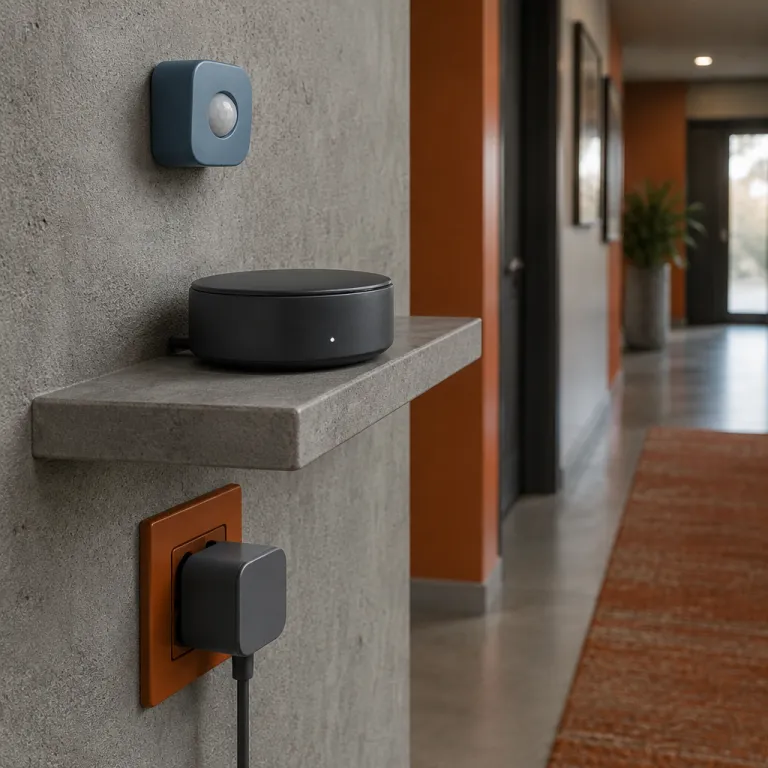
The most practical smart home starter kit recommendations always start with a few high impact devices. A smart plug and a smart bulb give you instant, visible results, and they help you understand how schedules, automations, and voice control feel in daily life. As one expert answer puts it clearly, "What to buy first?" "Smart plug and smart bulb for low-cost, visible impact".
Lighting is usually the first category in serious smart home starter kit recommendations, because it delivers comfort, security, and energy savings at once. A bridge based system such as Philips Hue can support up to 50 lights per bridge, which is enough for most apartments and many houses, and that expansion path matters when you plan beyond your first room. Look for bulbs that support both app control and physical switches, so guests can still turn lights on without learning your system.
After lighting, smart plugs and smart power strips let you automate fans, coffee machines, and even some portable cooling units. If you are considering climate control later, pairing a starter kit with one of the top smart portable air conditioners can give you room by room temperature automation without replacing your main HVAC. The best smart home starter kit recommendations also include at least one sensor, such as a motion or contact sensor, to trigger lights or alerts when doors or windows open.
Matter, Thread, Zigbee, and Wi Fi explained for beginners
Many buyers feel overwhelmed by protocols when reading smart home starter kit recommendations. You will see Matter, Thread, Zigbee, and plain Wi Fi on product boxes, and each protocol has strengths and trade offs that affect reliability and range. Understanding these basics helps you avoid buying a hub you do not need or a device that will not talk to your preferred assistant.
One expert answer in the dataset states, "What protocol should I pick first?" "Matter for cross-platform; Thread for mesh; Zigbee if many legacy devices". That guidance aligns with the most robust smart home starter kit recommendations, which now prioritize Matter first devices that can join Apple Home, Google Home, and Alexa with a single QR code. Thread creates a low power mesh network between devices, improving coverage in larger homes where Wi Fi alone might struggle.
You only need a dedicated hub if your chosen protocol is not already supported by your router or speaker. As the dataset notes, "Do I need a hub?" "Only if device protocol isn’t native to your voice assistant or router". When you evaluate smart home starter kit recommendations, check whether your existing router or smart speaker already includes a Thread border router or Zigbee radio, because that can save money for accessories such as lighting, sensors, or even grooming tools that complement other routines supported by essential razor accessories.
Best value smart home starter kit recommendations for different budgets
Price anchors your expectations, so smart home starter kit recommendations should always be grouped by budget. Entry level kits start around 50 USD and usually include a basic smart plug or bulb bundle, which is enough to test automations without committing to a full ecosystem. At this level, prioritize reliability and app quality over exotic features, because a stable routine matters more than colorful effects.
Mid range smart home starter kit recommendations often bundle a voice assistant speaker, several bulbs, and a few plugs or sensors. These kits typically cost more but deliver a complete experience, letting you control multiple rooms and experiment with routines such as wake up lighting, away mode, and energy saving schedules. Look for kits that clearly state Matter support and multi platform compatibility, so you are not locked into a single app if your habits change.
Premium smart home starter kit recommendations may include a dedicated hub with multi protocol radios, advanced sensors, and higher quality lighting. These systems are ideal for homeowners planning whole home automation, where expandability and long term support outweigh initial cost. When you evaluate these premium options, think about how they will integrate with other lifestyle tech, from entertainment systems to grooming setups enhanced by products similar in thoughtfulness to those discussed in guides on elevating daily rituals.
Planning for expandability and avoiding ecosystem lock in
Good smart home starter kit recommendations never stop at the first three devices. They help you plan a path from a single room to a whole home, so you do not replace hardware every time you add a new category such as security or climate control. The goal is to choose interoperable systems that scale gracefully as your needs evolve.
Start by mapping the rooms and functions you care about most over the next few years. If you expect to add cameras, locks, and thermostats, then your smart home starter kit recommendations should emphasize brands with strong multi year support policies and regular firmware updates. Matter first devices and multi protocol hubs reduce the risk of stranded gear, because they can usually join new platforms without being replaced.
Think about physical limits as well as software features when you plan expansion. For example, a Hue Bridge supports up to 50 lights, which is generous but not infinite, so large homes may eventually need a second bridge or a mixed lighting strategy. When you read smart home starter kit recommendations, check for clear statements about maximum device counts, supported rooms, and whether you can add extra hubs without breaking automations.
Real world setup tips from a homeowner perspective
As a homeowner setting up a first kit, you want smart home starter kit recommendations that reflect real living spaces, not lab conditions. Start with one or two rooms you use daily, such as the living room and bedroom, because that is where automations will feel most valuable. A simple routine like dimming lights and turning off plugs at night can immediately improve comfort and energy use.
Label every device clearly in your app as you install it, using room names and functions that make sense to everyone in the household. The most practical smart home starter kit recommendations emphasize shared usability, so guests and family members are not confused when a wall switch seems to do nothing. Keep a small note in a drawer with your Wi Fi details, app names, and hub locations, which helps during troubleshooting or when you add new devices later.
Finally, test voice commands and automations at different times of day to see how they fit your routines. Adjust brightness levels, motion sensor timeouts, and notification settings until the system feels invisible rather than intrusive. When smart home starter kit recommendations lead to a setup that quietly supports your habits, you know you have chosen the right foundation for future expansion.
Key statistics for smart home starter kits
- Typical entry level smart home starter kits begin around 50 USD, which aligns with budget picks that focus on a single room and a few devices.
- A dedicated lighting bridge such as the Hue Bridge can support up to 50 lights, allowing most apartments and many homes to expand without adding a second hub.
- Matter compatible devices are designed for cross platform use, which reduces the risk of ecosystem lock in compared with older, proprietary smart home systems.
- Multi protocol hubs that support Zigbee and Thread can connect both legacy and next generation devices, extending the useful life of your starter kit hardware.
FAQ about smart home starter kit recommendations
What protocol should I pick first for a new smart home?
The expert guidance is clear : "Matter for cross-platform; Thread for mesh; Zigbee if many legacy devices". Matter gives you the broadest compatibility across Apple, Google, and Amazon ecosystems, while Thread improves range and reliability in larger homes. Zigbee remains useful if you already own older devices that rely on that protocol.
Do I really need a hub for my starter kit?
According to the dataset, "Do I need a hub?" "Only if device protocol isn’t native to your voice assistant or router". Many modern routers and smart speakers already include Thread or Zigbee radios, which can act as hubs for compatible devices. Check your existing hardware before buying a separate bridge, because you may be able to spend that budget on extra bulbs or sensors instead.
What should I buy first for a smart home setup?
The most effective first purchases are a smart plug and a smart bulb, as highlighted by the quote "What to buy first?" "Smart plug and smart bulb for low-cost, visible impact". These devices show you how automations and voice control feel in daily life without a large investment. Once you are comfortable, you can add sensors, switches, and more advanced lighting scenes.
How many devices can a typical lighting bridge support?
A common lighting bridge such as the Hue Bridge supports up to 50 lights, which is enough for most small and medium sized homes. This limit matters when you read smart home starter kit recommendations that focus heavily on lighting, because you want room to grow. If you expect to exceed that number, plan for either multiple bridges or a mixed lighting strategy from the start.
How can I avoid ecosystem lock in with my starter kit?
To avoid lock in, prioritize Matter compatible devices and multi protocol hubs in your smart home starter kit recommendations. These products work with multiple ecosystems, so you can switch between Apple Home, Google Home, and Alexa without replacing hardware. Choosing brands with strong update policies and clear long term support commitments further protects your investment.
References
- CSA (Connectivity Standards Alliance) – Matter and Zigbee protocol specifications
- Philips Hue – Technical documentation on Hue Bridge capacity and supported devices
- Apple, Google, Amazon developer portals – Platform support details for Matter and Thread