Canon EOS options around 30MP and how they differ
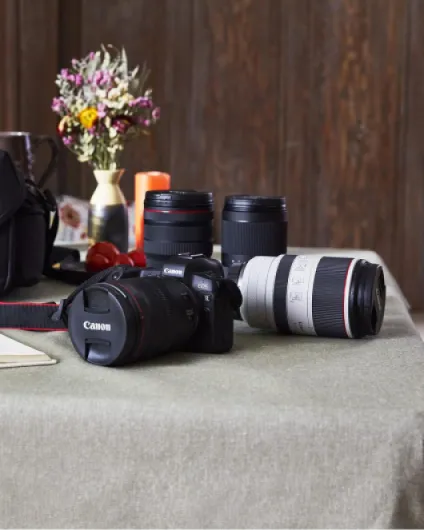
Canon has built several 30MP class cameras that still make sense for enthusiasts and working photographers. The most famous is the Canon EOS 5D Mark IV, a full frame DSLR with a 30.4MP sensor that many still regard as a great camera for hybrid work. While this EOS Mark IV is technically an SLR camera, its image quality and robust camera body keep it relevant for landscape, portrait and event photography, and many reviewers still use it as a reference point when testing newer models.
In the mirrorless camera line, Canon EOS R models near 30MP offer a different shooting experience with an electronic viewfinder and advanced autofocus. A Canon EOS R camera body around this resolution gives you excellent dynamic range, Dual Pixel autofocus for smooth video and access to RF mount lenses, which include some of the sharpest camera lenses Canon has produced. If you already own EF lenses, Canon provides adapters that let you use your existing lens kit on EOS Canon mirrorless cameras without losing autofocus performance or image stabilisation features.
When you compare Canon cameras in a buying guide or camera comparison tool, pay attention to more than just megapixels. Check the continuous shooting rate fps, buffer depth and video modes, because a Canon EOS body with a modest fps rate might still be the best choice if you mainly shoot portraits or landscapes. For a deeper look at how 30MP Canon and competing models stack up, you can explore a curated overview of top 30MP digital cameras that focuses on real world strengths rather than marketing claims, then cross check those impressions with RAW files from your own test shoots.
Choosing between Canon DSLR and Canon mirrorless at 30MP
Many photographers still weigh a Canon EOS DSLR such as a Mark III or Mark IV against a newer Canon mirrorless camera at similar resolutions. A DSLR style camera body offers an optical viewfinder, long battery life and a familiar feel, which some professionals prefer for long assignments. A mirrorless camera, by contrast, gives you a live preview of exposure and colour, silent shooting and often better video features, which can be invaluable for hybrid creators.
If you shoot fast action, look closely at the rate of fps each body can sustain with continuous autofocus. Some Canon EOS mirrorless cameras at around 30MP can shoot more than 10 fps, while older SLR camera models may top out at 7 fps or less, which matters for sports or wildlife. For slower paced work, the difference in fps rate is less critical than ergonomics, lens availability and how the camera fits your hands, so try to handle both types in person before deciding.
Lens choice also plays a major role when you commit to Canon EOS or EOS Canon mirrorless systems. RF mount lenses designed for mirrorless cameras often deliver higher resolution and better edge sharpness than older EF lenses, though they can be larger and more expensive. If you already own a strong EF lens kit and want to control costs, a Canon EOS DSLR or an EOS R body with an adapter can be a very good path into the world of best 30MP digital cameras, letting you upgrade bodies first and lenses later.
Nikon 30MP class cameras and how they compare
Nikon takes a slightly different approach to this resolution range, but several Nikon camera models land close enough to 30MP to compete directly. The Nikon D780, for example, uses a 24.5MP full frame sensor yet delivers image quality that rivals many 30MP cameras thanks to excellent dynamic range and low noise. On the mirrorless side, the Nikon Z6 II offers similar resolution with a modern mirrorless camera body and strong video features, including oversampled 4K from the full sensor width.
When you compare Nikon camera options with Canon EOS bodies around 30MP, focus on how each system handles your preferred subjects. Nikon full frame sensors are known for wide dynamic range at base ISO, which benefits landscape photographers who often recover shadows in post processing. Canon cameras sometimes prioritise colour rendering and autofocus behaviour, which can be more important for portrait and event shooters who value skin tones and reliable subject tracking in mixed lighting.
Lens ecosystems also differ between Nikon and Canon, especially in the mirrorless era. Nikon Z mount lenses are designed for a short flange distance, which allows very sharp wide angle camera lenses and compact primes that keep your kit light weight. Canon RF lenses, on the other hand, often push optical performance to extremes, which suits photographers who want the absolute best image quality from their full frame sensor even if the lens kit becomes heavier and more expensive.
Industry timing and what it means for 30MP buyers
Camera launches sometimes arrive in tight clusters, and that timing can reveal how brands position their 30MP class products. A notable example came when Canon and Sony announced cameras thirty minutes apart, a moment that highlighted how fiercely brands compete in the hybrid stills and video space. Analysing events like this, as discussed in an article on industry launch timing, helps you understand why certain features appear in best 30MP digital cameras at the same time and why spec sheets often look similar across brands.
For a buyer, this competition usually brings better value and faster innovation. When Nikon releases a Nikon camera with improved autofocus or higher rate fps, Canon and other brands respond with firmware updates or new camera body designs that match or exceed those capabilities. The result is that even mid range 30MP cameras now offer video features, dynamic range and high resolution performance that were once limited to flagship models, making it easier to find a capable all rounder.
As you use a camera comparison tool, remember that spec sheets never tell the whole story. Handle each camera body in person if possible, test autofocus on moving subjects and examine RAW files from different brands under the same lighting. Only then can you decide whether a Nikon camera, a Canon EOS body or another brand truly feels like the best 30MP digital camera for your style and the way you like to work in the field.
Mirrorless versus DSLR at 30MP for stills and video
The debate between mirrorless camera bodies and SLR camera designs becomes especially interesting around 30MP. At this resolution, both types can deliver excellent image quality, but they differ in handling, autofocus and video performance. For many photographers, the best 30MP digital cameras today are mirrorless because they integrate advanced features without adding much weight or bulk to the kit.
Mirrorless cameras use electronic viewfinders that show exposure, white balance and depth of field in real time. This live preview is invaluable when you shoot video or work quickly in changing light, because you see the final look before pressing the shutter. SLR camera bodies rely on optical viewfinders, which some photographers still prefer for their clarity and zero lag, especially when tracking fast action at high fps rates or working in very bright sunlight.
Video capabilities often tip the balance toward mirrorless in this resolution class. Many 30MP mirrorless cameras offer oversampled 4K video from the full width of the sensor, which improves sharpness and reduces moiré. Some models also provide advanced codecs, log profiles and high frame rate fps options for slow motion, making them strong tools for hybrid creators who need both stills and video from a single frame camera on demanding shoots.
Handling, weight and ergonomics at this resolution
Resolution alone does not determine how a camera feels during a long day of shooting. A light weight mirrorless camera with a compact lens kit can be easier to carry than a heavy DSLR, even if both share a similar 30MP full frame sensor. For travel and street photography, that difference in body size and mass often matters more than a small gap in megapixels, because a lighter kit is more likely to be with you when something interesting happens.
On the other hand, some photographers prefer the deeper grip and more substantial camera body of a traditional DSLR. A larger frame camera can balance long telephoto camera lenses better, which is important for wildlife and sports where you track subjects at high fps rates. The key is to test both styles with the lenses you plan to use, then judge comfort, control layout and how quickly you can change settings without taking your eye from the viewfinder.
Stabilisation also plays a role in getting the most from a 30MP sensor. In body image stabilisation in many mirrorless cameras helps you handhold slower shutter speeds without losing sharpness, which effectively increases the usable dynamic range in low light. If your chosen digital camera lacks in body stabilisation, consider lenses with optical stabilisation and practise steady shooting techniques to preserve the high resolution potential of the sensor, especially for handheld night scenes.
Building the right lens kit for a 30MP camera body
A 30MP sensor is unforgiving of weak optics, so your choice of camera lens matters as much as the camera itself. Soft lenses can erase the benefits of high resolution, leaving images that look no better than files from older cameras. When you invest in the best 30MP digital cameras, plan a lens kit that matches their capabilities from the start and test your lenses at typical working apertures rather than only wide open.
Prime lenses with wide maximum apertures often deliver the highest image quality on a full frame sensor. A 35 mm f / 1.8 or 50 mm f / 1.4 prime can resolve fine detail across the frame, while also giving you shallow depth of field and strong low light performance. Zoom lenses have improved dramatically, but you should still check independent tests to ensure they keep up with a 30MP frame sensor, especially at the edges and corners where weaknesses often appear first.
For many photographers, a balanced lens kit includes a wide angle zoom, a standard zoom and a short telephoto prime. This trio covers most subjects while keeping your bag reasonably light weight, which encourages you to carry the camera more often. If you shoot sports or wildlife at high fps rates, add a telephoto zoom with fast autofocus and stabilisation, then test it on your chosen frame camera to confirm that it maintains sharpness at 30MP and focuses reliably on moving subjects.
Compatibility, adapters and future proofing
System choice affects how easily you can expand your lens kit over time. Canon EOS mirrorless cameras can use EF lenses via adapters, while Nikon mirrorless bodies can adapt F mount lenses, which protects your investment in existing glass. In both cases, check whether autofocus speed, rate fps in bursts and image quality remain strong when you use adapted lenses on a new digital camera body, especially if you rely on continuous tracking.
Native mirrorless lenses usually offer the best performance on modern 30MP sensors. They are designed for the shorter flange distance of mirrorless mounts, which allows optical formulas that deliver higher resolution and better edge performance. Over time, building a mostly native lens kit will help you extract every bit of detail and dynamic range from your full frame sensor or high resolution APS C sensor, and will make future body upgrades easier.
When you shop online, pay attention to shipping options and return policies for lenses and cameras. Some retailers offer free shipping and generous trial periods, which let you test a great camera and several lenses in your own workflow before committing. That flexibility is especially valuable when you are assembling a system around one of the best 30MP digital cameras and want to be sure every camera body and camera lens in your bag works together seamlessly.
Using a camera comparison tool to choose your 30MP system
A structured camera comparison tool can turn a confusing market into a clear shortlist. Start by filtering for the best 30MP digital cameras or models close to that resolution, then narrow by sensor size, body type and budget. This approach helps you compare cameras on equal footing instead of being distracted by marketing claims about isolated features or minor spec differences.
Once you have a shortlist, compare dynamic range, image quality scores and video specifications side by side. Look at whether each camera reads the full width of the sensor for 4K video, what frame rates it offers and how long it can record before overheating or hitting clip limits. Pay attention to the rate fps in continuous shooting, buffer depth and autofocus coverage, because these factors determine how well the camera handles real action rather than static test scenes.
Do not forget practical considerations such as battery life, card slots and ergonomics. A camera body that feels awkward in your hands or has a confusing menu system will slow you down, no matter how good the sensor or how high the resolution. For a broader perspective on enthusiast friendly models beyond strict 30MP options, you can consult a guide to top digital cameras for enthusiasts, then cross reference those picks with your comparison tool results.
Tailoring the tool to your shooting style
The same camera can be a great camera for one person and a poor fit for another. If you mainly shoot landscapes, prioritise dynamic range, weather sealing and compatibility with ultra wide lenses over the highest possible fps rate. Portrait photographers should focus on skin tone rendering, lens availability around 85 mm and how the camera handles eye detection autofocus in both stills and video, especially in backlit or low contrast scenes.
For travel and documentary work, weight and size often matter more than small differences in resolution. A light weight mirrorless camera with a compact lens kit may encourage you to carry it everywhere, which leads to more photographs and better storytelling. Sports and wildlife shooters, by contrast, should emphasise autofocus tracking, high fps bursts and buffer performance, even if that means choosing a camera slightly below 30MP in favour of speed.
Whatever your niche, treat the comparison tool as a starting point rather than the final word. Use it to identify two or three candidates, then read in depth reviews, rent or borrow the cameras and examine your own files at 100 percent. That hands on experience will reveal which frame camera truly earns a place in your bag as one of your personal best 30MP digital cameras.
Key figures about 30MP digital cameras
| Spec |
Typical 24–26MP full frame |
Typical 30MP full frame |
| Usable dynamic range (RAW) |
~13–14 stops |
~13–14 stops |
| RAW file size |
25–35 MB |
30–40 MB |
| Continuous shooting |
5–12 fps |
5–20+ fps |
| Native lens options |
Dozens of primes and zooms |
Similar, with more high resolution mirrorless glass |
- Many popular full frame cameras in the 24 to 32MP range deliver around 13 to 14 stops of usable dynamic range in RAW files, according to independent testing by organisations such as DxOMark and Photons to Photos, which is enough to handle high contrast scenes without blown highlights.
- Typical 30MP RAW files from modern full frame sensors range from 30 to 40 megabytes each, so a 128 gigabyte memory card can store roughly 3 000 to 4 000 images before filling up, depending on compression settings and shooting conditions.
- Continuous shooting speeds for 30MP class cameras vary widely, from about 5 fps on older DSLR bodies to more than 20 fps on some mirrorless models that use electronic shutters, which significantly affects suitability for sports and wildlife photography.
- Oversampled 4K video from a 30MP full frame sensor often reads around 6K worth of data before downsampling, which improves sharpness and reduces aliasing compared with line skipped or cropped 4K modes that use less of the sensor area.
- Lens resolving power tests from reviewers such as LensTip and Optical Limits show that many modern primes and high end zooms can comfortably resolve detail for sensors up to 40MP and beyond, which means a well chosen lens kit will not limit the performance of a 30MP digital camera in most real world scenarios.
| Camera |
Base ISO DR (stops) |
ISO 3200 noise (relative) |
Source |
| Canon EOS 5D Mark IV |
~13.5 |
Moderate, fine grain |
DxOMark, Photons to Photos |
| Canon EOS R |
~13.5 |
Similar to 5D IV |
Photons to Photos |
| Nikon Z6 II |
~14 |
Very clean |
Photons to Photos |
| Sony A7 IV |
~14 |
Clean, slightly finer grain |
DxOMark, Photons to Photos |