Mirrorless Cameras

Comparison of the 6 best digital cameras with image stabilization (October 2026)

Independent guide to top digital cameras with image stabilization, comparing sensor types, lens systems, and real world performance for photography and video.

9 June 2026 10 min read
Comparison of the 6 best digital cameras with image stabilization (October 2026)
Discover our ranking of the 6 best digital cameras with image stabilization based on our analyses of specs and customer reviews.

How image stabilization transforms everyday photography

The best digital cameras with image stabilization let your hands shake yet still keep every camera image sharp. When a camera with optical or sensor shift stabilization compensates for movement across several axes, the sensor delivers a cleaner file so you can shoot at slower shutter speeds without blur. This technology matters whether you use a compact camera for travel, a full frame body for portraits, or medium format gear for studio work.

At its core, stabilization works by moving either the lens group or the format sensor in the opposite direction of your motion, which preserves image quality in low light and during handheld video. A stabilized lens or in body system effectively adds two to seven stops of flexibility, meaning you can shoot at 1/15 s instead of 1/125 s and still obtain an excellent image when the build quality of the system is high. That extra latitude is what turns a good camera into the best camera for people who shoot in real streets, real venues, and real weather.

For street photography, stabilization is often more valuable than a slightly faster lens, because it keeps both stills and video steady while you move quickly. Travel photographers using compact cameras benefit too, since the best compact models now combine optical stabilization with clever software to refine camera image edges and textures. When you read best practice guides from professionals, they consistently rank stabilization just behind sensor size and lens choice in importance for serious photography.

Ranking

#1 🏆 Best choice
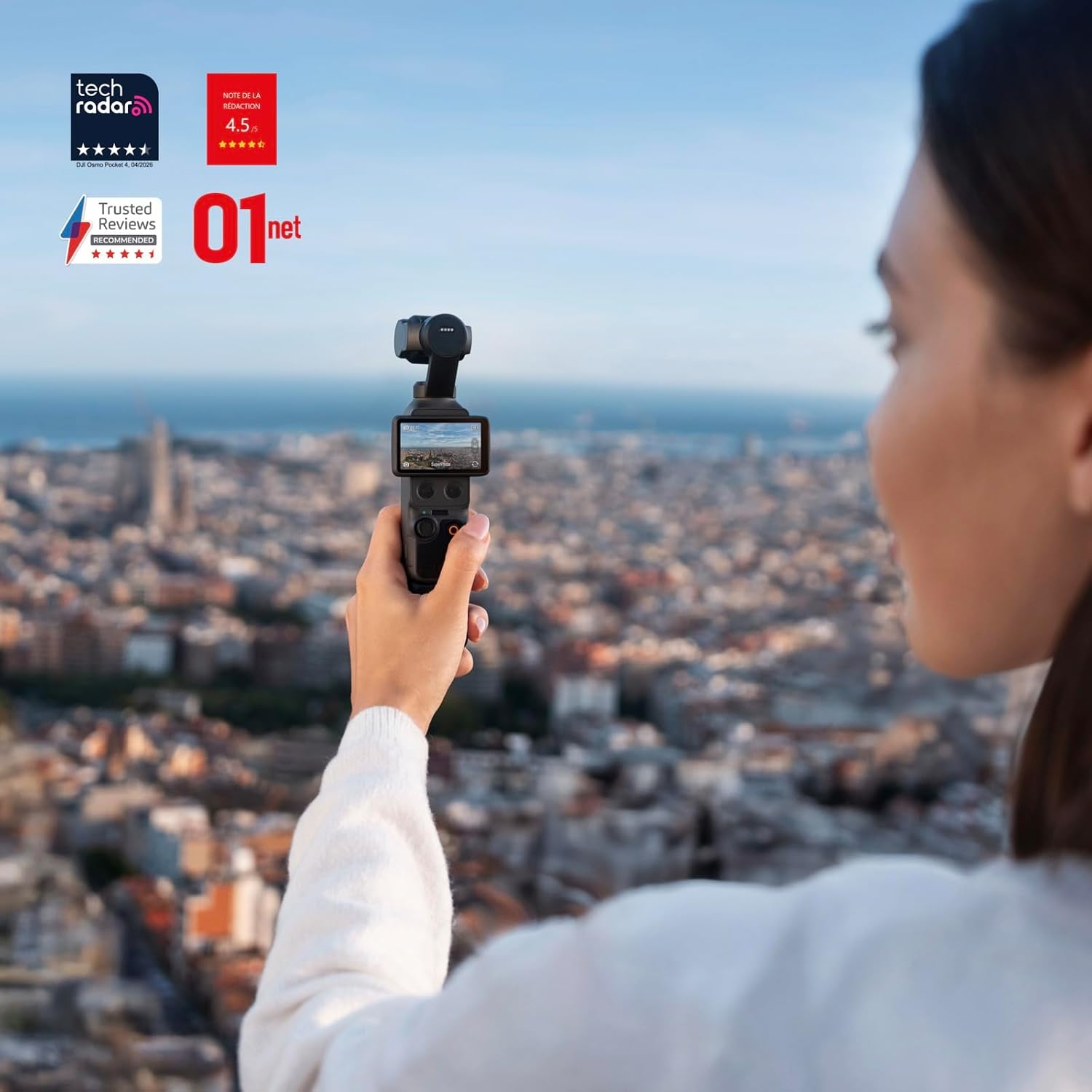
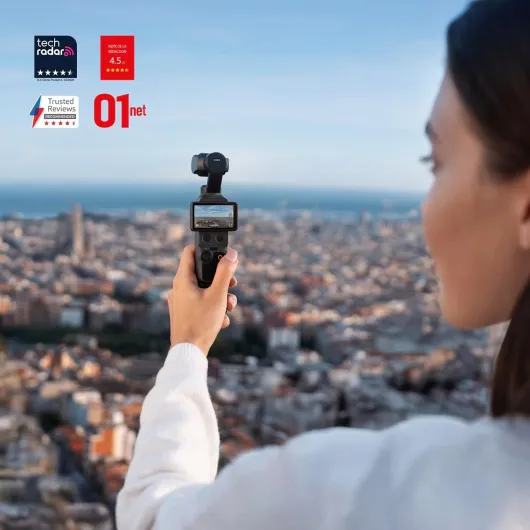
Osmo Pocket 4 Essential Combo, Pocket-Gimbal-Vlog-Kamera

DJI

Osmo Pocket 4 Essential Combo, Pocket-Gimbal-Vlog-Kamera

🔥 Populaire
  • Very smooth 3‑axis stabilization and reliable 4K video quality, even when walking
  • 1‑inch sensor and 10‑bit options give cleaner low‑light footage than most phones
  • Compact, pocketable design with 107 GB of fast internal storage that works even without a microSD card
Analysis score
8 /10
🌟 Excellent
See offer Amazon
#2
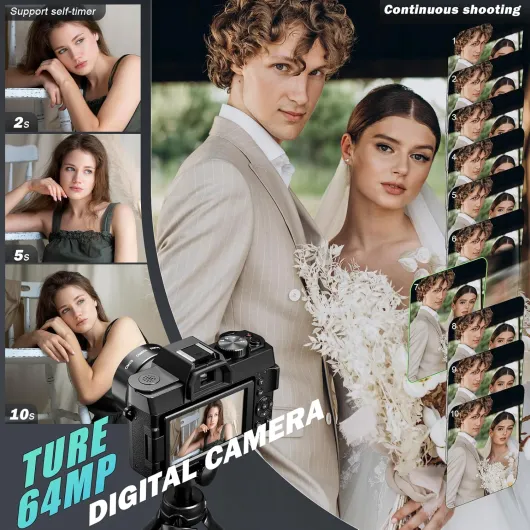
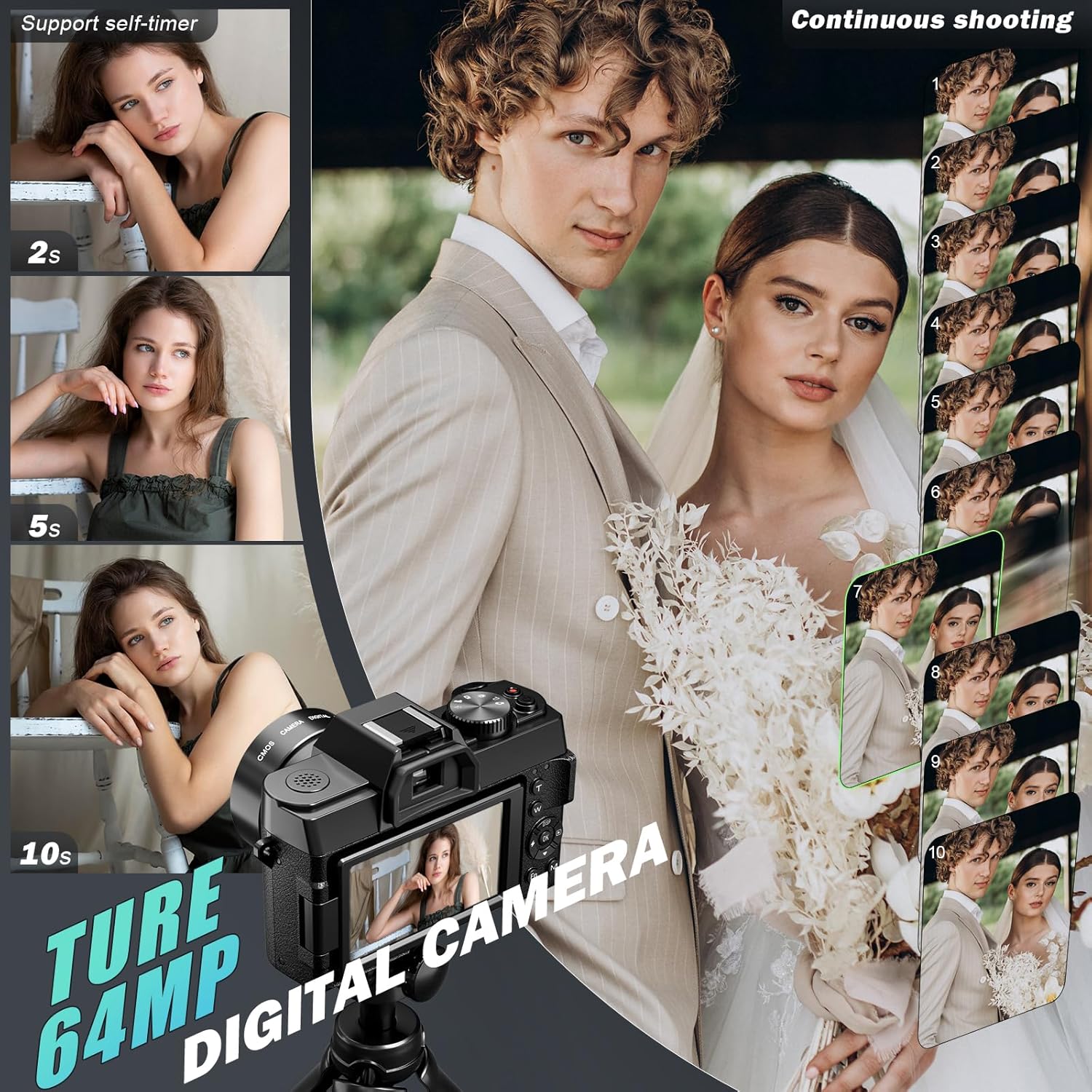
8K 64MP Digital Camera with Autofocus & 16X Zoom, Wi-Fi & App Control, Anti-Shake, 180° Flip Screen, Webcam Function, Includes Macro & Wide-Angle Lenses, 64GB TF Card & 2 Batteries (Black)

NBD

8K 64MP Digital Camera with Autofocus & 16X Zoom, Wi-Fi & App Control, Anti-Shake, 180° Flip Screen, Webcam Function, Includes Macro & Wide-Angle Lenses, 64GB TF Card & 2 Batteries (Black)

  • Very complete bundle: two batteries, 64 GB card, external mic, macro/wide‑angle adapters, charger and case included
  • 180° flip screen and Wi‑Fi app control make it practical for vlogging, selfies and solo shooting
  • Simple interface with both auto and manual exposure options, suitable for beginners learning photography basics
The NBD 8K 64MP digital camera positions itself as a complete starter kit for beginners, casual travellers and new content creators. On paper, it offers a lot: high‑resolution photos and videos, a 180° flip screen, Wi‑Fi with app control, anti‑shake, autofocus, webcam mode, and a 52 mm macro/wide‑angle adapter lens. The bundle is generous, with two batteries, a 64 GB card, charger, case, strap and an external microphone. Amazon reviews back up the idea that it is easy to use, light, and well suited to vlogging, streaming and travel memories, as long as you are not chasing professional‑level quality.The limitations are equally clear. The small 1/2.3" sensor, digital‑only zoom and modest autofocus system put a ceiling on image quality and versatility. Low‑light performance is only fair, and focusing can be a bit slow when changing quickly between near and far subjects. The 8K label should be treated as a marketing highlight; buyers mainly talk about using 4K. If you already own a top‑tier smartphone, the improvement in image quality may not be huge, but the flip screen, external mic and physical controls still give it a different, more camera‑like feel.In my opinion, this NBD model makes sense for three profiles: people who want a simple camera for travel and family events; beginners who want to learn basic photography settings without investing in a full system; and aspiring vloggers or streamers who need a flip screen and an external mic in one affordable package. Those who should probably skip it are users aiming at serious photography projects, sports, or demanding low‑light work, and anyone who expects the same robustness and performance as established mirrorless systems. As an accessible, all‑in starter camera with thoughtful accessories, it offers good value and a straightforward way to get into shooting and creating.
Analysis score
7.4 /10
👍 Very good See full review →
See offer Amazon
#3
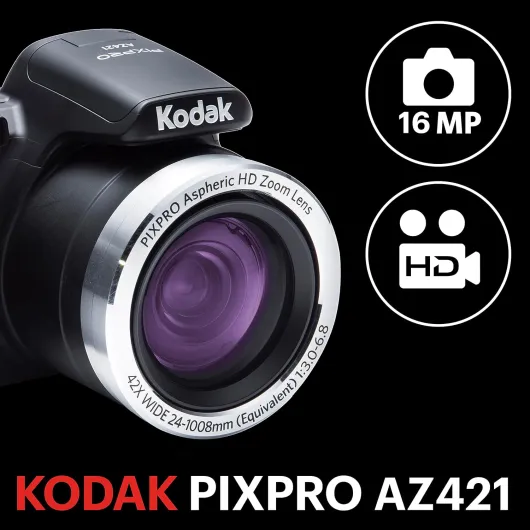
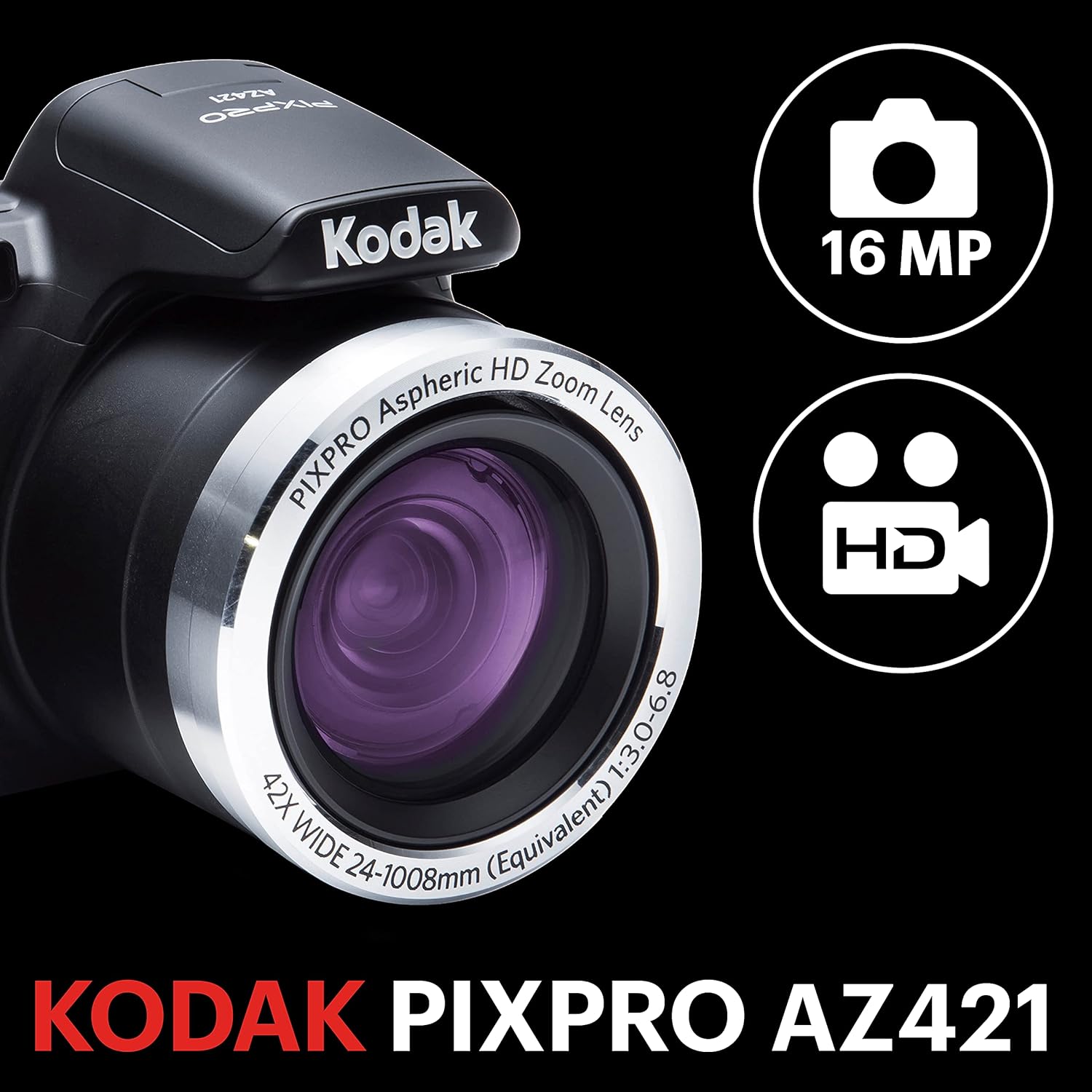
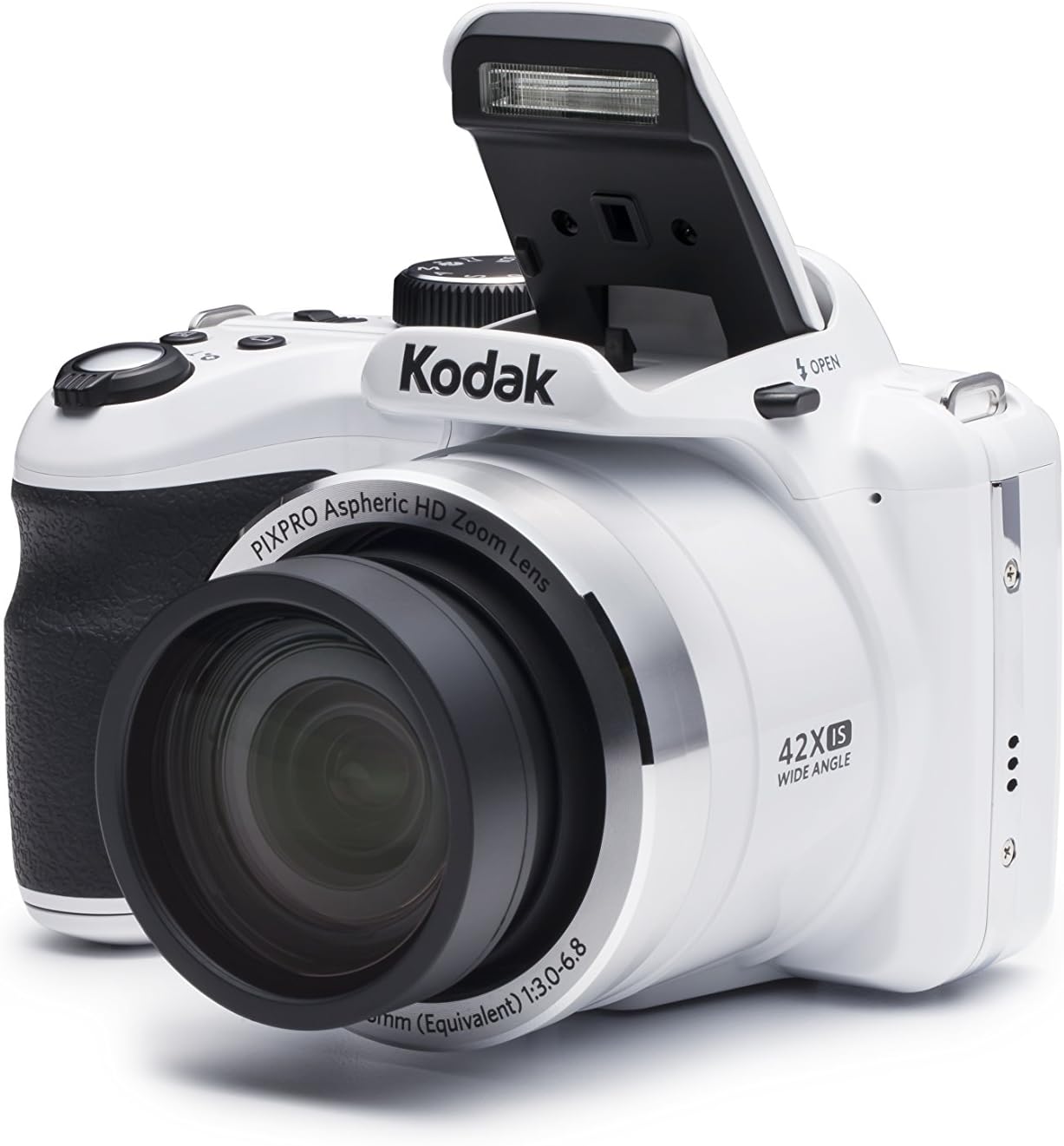
Pixpro AZ421 - Digital Bridge Camera, 42X Optical Zoom, 24mm Wide-Angle, 16 Megapixels, 3" LCD, 720p HD Video, OIS, Li-ion Battery - Black

KODAK

Pixpro AZ421 - Digital Bridge Camera, 42X Optical Zoom, 24mm Wide-Angle, 16 Megapixels, 3" LCD, 720p HD Video, OIS, Li-ion Battery - Black

🔥 Populaire
  • Very long 42x optical zoom (24–1008 mm) useful for wildlife, travel and distant subjects
  • Easy to hold thanks to the DSLR-style grip and relatively light weight
  • Affordable price for a bridge camera with rechargeable battery and basic stabilisation
Analysis score
6 /10
👌 Good
See offer Amazon
#4
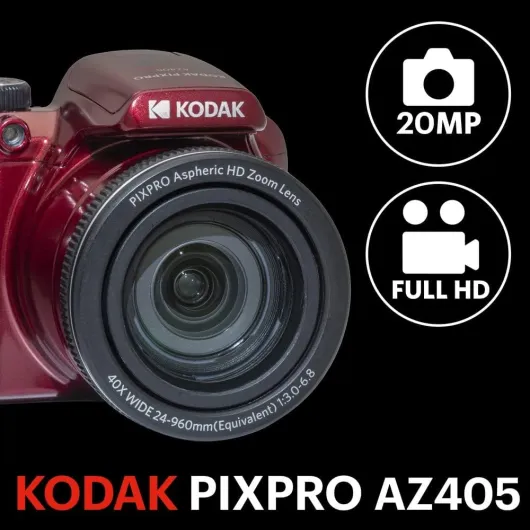
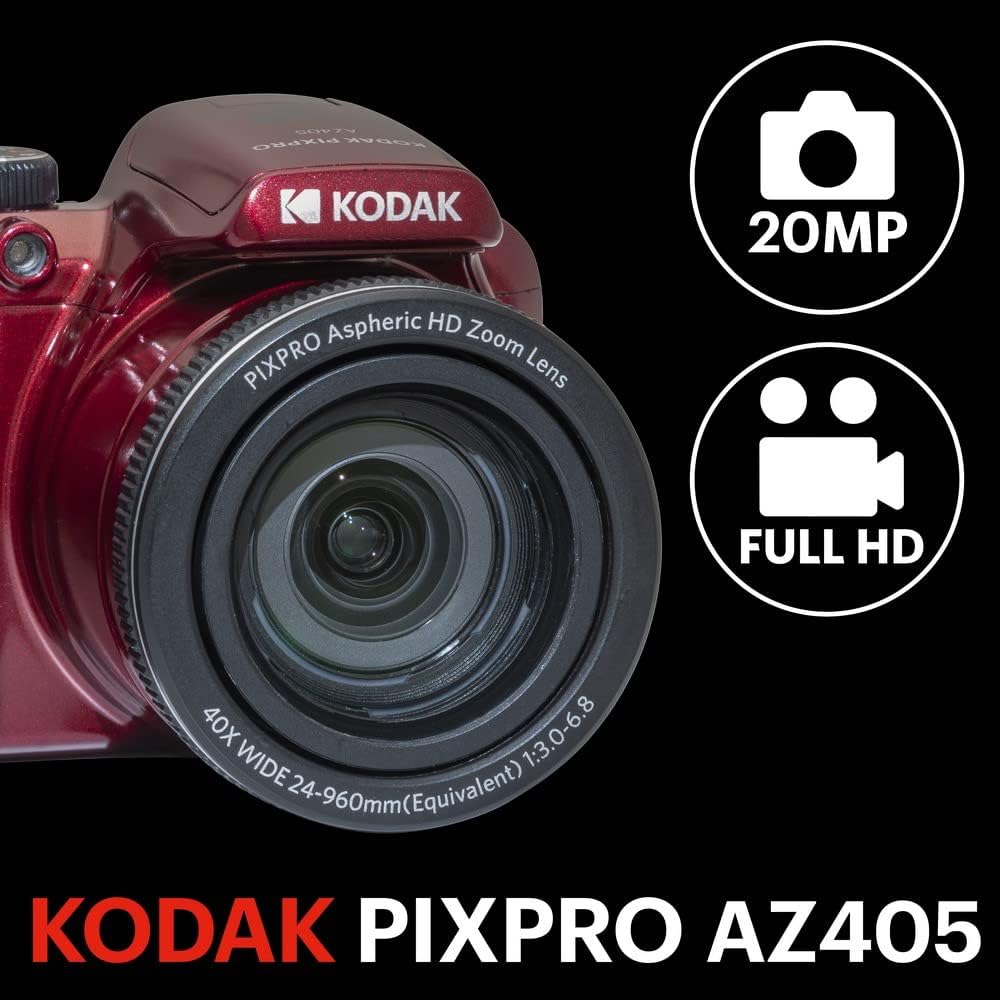
Bridge Digital Pack Pixpro Astro Zoom AZ405 + 32GB Kodak Ultra High Speed U1 SDHC Card – 20MP Camera, 40X Zoom, Wide Angle, 3" LCD Screen, Full HD 1080p Video, OIS, AA Battery – Red RED CAMERA + SD CARD

KODAK

Bridge Digital Pack Pixpro Astro Zoom AZ405 + 32GB Kodak Ultra High Speed U1 SDHC Card – 20MP Camera, 40X Zoom, Wide Angle, 3" LCD Screen, Full HD 1080p Video, OIS, AA Battery – Red RED CAMERA + SD CARD

  • Very long 40x optical zoom with optical image stabilisation, useful for wildlife and travel
  • Simple to use with automatic modes and a comfortable grip for beginners
  • Runs on AA batteries and comes with a 32 GB SD card, so easy to keep powered and store plenty of shots
Analysis score
6 /10
👌 Good
See offer Amazon
#5
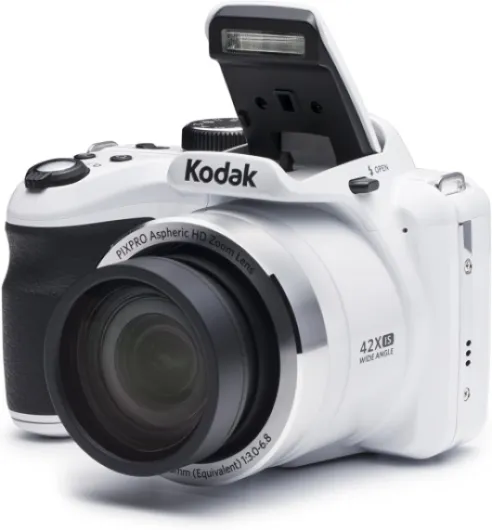
KODAK Pixpro AZ422 - 20 MP Digital Bridge Camera, 42X Optical Zoom, 24mm Wide Angle, 720p HD Video, Optical Image Stabilizer (OIS), Built-in Flash, 3-Inch LCD Screen, Li-ion Battery - White (Renewed)

KODAK

KODAK Pixpro AZ422 - 20 MP Digital Bridge Camera, 42X Optical Zoom, 24mm Wide Angle, 720p HD Video, Optical Image Stabilizer (OIS), Built-in Flash, 3-Inch LCD Screen, Li-ion Battery - White (Renewed)

  • 42x optical zoom with stabilization, very handy for distant subjects
  • Easy to use in full auto with simple scene modes, good for beginners
  • Comfortable grip and light enough to carry all day
Analysis score
6 /10
👌 Good
See offer Amazon
#6 💰 Best price
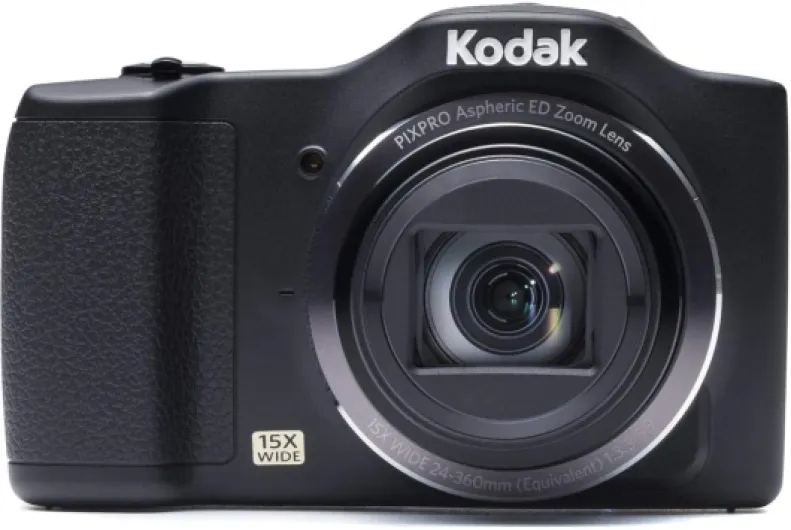
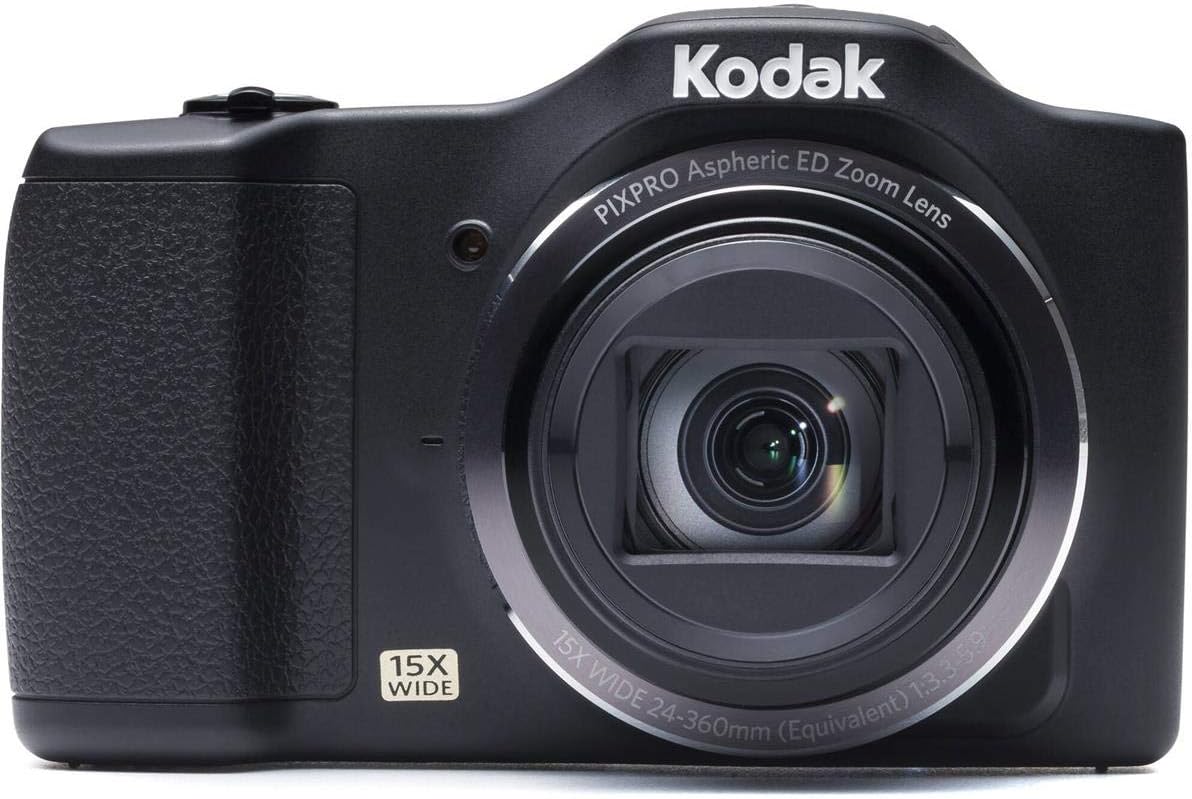
PIXPRO FZ152 Camera - Black (16MP 15x Zoom 24mm Wide Lens OIS HD)

KODAK

PIXPRO FZ152 Camera - Black (16MP 15x Zoom 24mm Wide Lens OIS HD)

🔥 Populaire
  • 15x optical zoom with optical image stabilization for cheap
  • Lightweight and easy to carry, simple controls for beginners
  • Decent daylight photos for casual use and social media
Analysis score
5.4 /10
😐 Average
See offer Amazon

Comparison table : Digital cameras with image stabilization

Analysis score Value for money Design Battery Durability Performance Presentation Effectiveness
Osmo Pocket 4 Essential Combo, Pocket-Gimbal-Vlog-Kamera
#1 DJI
Osmo Pocket 4 Essential Combo, Pocket-Gi...
See offer Amazon
8/10
8K 64MP Digital Camera with Autofocus & 16X Zoom, Wi-Fi & App Control, Anti-Shake, 180° Flip Screen, Webcam Function, Includes Macro & Wide-Angle Lenses, 64GB TF Card & 2 Batteries (Black)
#2 NBD
8K 64MP Digital Camera with Autofocus &...
See offer Amazon
7.4/10 -
Pixpro AZ421 - Digital Bridge Camera, 42X Optical Zoom, 24mm Wide-Angle, 16 Megapixels, 3" LCD, 720p HD Video, OIS, Li-ion Battery - Black
#3 KODAK
Pixpro AZ421 - Digital Bridge Camera, 42...
See offer Amazon
6/10
Bridge Digital Pack Pixpro Astro Zoom AZ405 + 32GB Kodak Ultra High Speed U1 SDHC Card – 20MP Camera, 40X Zoom, Wide Angle, 3" LCD Screen, Full HD 1080p Video, OIS, AA Battery – Red RED CAMERA + SD CARD
#4 KODAK
Bridge Digital Pack Pixpro Astro Zoom AZ...
See offer Amazon
6/10 -
KODAK Pixpro AZ422 - 20 MP Digital Bridge Camera, 42X Optical Zoom, 24mm Wide Angle, 720p HD Video, Optical Image Stabilizer (OIS), Built-in Flash, 3-Inch LCD Screen, Li-ion Battery - White (Renewed)
#5 KODAK
KODAK Pixpro AZ422 - 20 MP Digital Bridg...
See offer Amazon
6/10 -
PIXPRO FZ152 Camera - Black (16MP 15x Zoom 24mm Wide Lens OIS HD)
#6 KODAK
PIXPRO FZ152 Camera - Black (16MP 15x Zo...
See offer Amazon
5.4/10 -

Choosing the right stabilized sensor and lens combination

When you buy one of the best digital cameras with image stabilization, you are really buying into a system of lenses, sensors, and accessories. A full frame body with in body stabilization pairs beautifully with a stabilized zoom lens, giving you dual protection for both still photography and video shooting in low light. By contrast, a compact camera with a smaller format sensor relies more heavily on its lens design and processing to maintain high image quality.

Sony full frame cameras are a strong example, because each best full frame body combines a sensitive sensor with five axis stabilization that keeps the camera image stable even at 4K video frame rates. Micro thirds systems from brands like Panasonic and Olympus use smaller sensors, yet their stabilization is so advanced that the sensor delivers crisp files at surprisingly slow shutter speeds. If you care about long term value, this is where understanding why the lens ecosystem matters more than headline specifications becomes essential for every future upgrade.

Fujifilm offers two distinct paths, with X series cameras using APS C sensors and the Fujifilm GFX line stepping into medium format territory for maximum image quality. A Fujifilm GFX body with stabilization and a fast prime lens can rival studio systems while still being usable handheld on location. For many photographers, the Fujifilm best balance lies in pairing a stabilized zoom for travel shooting and a bright prime for portraits, ensuring that every shoot benefits from both optical excellence and reliable stabilization.

Top stabilized models for different types of photographers

Not every photographer needs the same type of stabilization, so the best digital cameras with image stabilization fall into clear categories. For travel and family use, the best compact cameras combine a small body, a versatile zoom lens, and effective optical stabilization that keeps image quality high without complex setup. These compact cameras often include a tilting screen and intuitive controls, making it easy to shoot both stills and video while walking through a city or hiking a trail.

Enthusiast photographers who want a best full frame body should look at stabilized Sony Alpha models, which offer high fps burst rates for action shooting and a bright electronic viewfinder with dot OLED technology. A Sony camera with 5 axis stabilization lets you shoot at slower shutter speeds indoors, while the sensor delivers clean files with low noise for large prints. If you prefer the Fujifilm look, a stabilized Fujifilm GFX medium format sensor delivers extraordinary dynamic range, and many reviewers rank a Fujifilm best kit among the finest options for landscape and studio photography.

Readers who want a curated short list can consult this independent guide to top digital cameras that feature advanced image stabilization across price points. That resource highlights how each camera with stabilization behaves in real shooting scenarios, from street photography to wildlife. Use it alongside this analysis to read best comparisons, then match each camera image sample to your own expectations for sharpness, color, and handling.

How our camera comparison tool evaluates stabilization performance

A generic specification sheet rarely tells you how the best digital cameras with image stabilization behave in real life, which is why a focused camera comparison tool matters. Our buying guides use controlled tests that combine tripod mounted reference shots with handheld shooting at progressively slower shutter speeds, so we can see exactly when each camera image starts to blur. We repeat these tests for still photography and video, because stabilization behaves differently when the sensor delivers continuous readout for moving pictures.

Each camera with stabilization is scored on several criteria, including how many stops of compensation it offers, how well the lens and sensor cooperate, and how natural the video footage looks when you walk or pan. We also examine build quality, because a robust body and precise lens mount help the format sensor stay aligned, which preserves image quality over years of use. For action shooters, we test fps burst rates with stabilization enabled, ensuring that the best camera for sports does not compromise tracking performance when the system is working hard.

To make the results easy to use, the comparison tool lets you filter compact cameras, full frame bodies, and medium format systems separately, then sort by stabilization strength, weight, and price. You can also compare Sony, Fujifilm, and micro thirds options side by side, checking how each sensor delivers detail and noise control at high ISO. When you read best in class rankings inside the tool, you see not only numbers but also real world comments about low light behavior, street photography handling, and long term reliability.

Real world scenarios where stabilization makes the best difference

Low light situations are where the best digital cameras with image stabilization truly separate themselves from older designs. In a dim restaurant or evening street, a stabilized full frame sensor delivers cleaner files at ISO 3200 because you can shoot at a slower shutter speed instead of pushing sensitivity further. The result is an excellent image with smoother tones, better color, and fewer artifacts, even when you rely on a compact camera for discretion.

Street photography benefits in a different way, because you often shoot quickly while moving, framing with the rear screen instead of a viewfinder. A camera with strong stabilization lets you shoot at 1/30 s while walking, and the sensor delivers sharp details in both faces and backgrounds. Micro thirds bodies shine here, since their smaller format sensor and advanced stabilization allow surprisingly low shutter speeds with lightweight lenses, making them some of the best compact choices for everyday carry.

Video shooters gain even more, because stabilization smooths out footsteps, hand movements, and minor framing corrections that would otherwise distract viewers. A Sony body with in body stabilization and a stabilized zoom lens can replace a gimbal for many casual projects, especially when the dot OLED viewfinder helps you judge composition precisely. For documentary work, a Fujifilm GFX or other medium format system is less common, yet when stabilization is present it allows handheld cutaway shots with a unique look, adding depth to your storytelling without sacrificing image quality.

Balancing specifications, ergonomics, and long term value

When you compare the best digital cameras with image stabilization, it is tempting to focus only on headline numbers like megapixels or fps burst rates. Real world satisfaction depends just as much on ergonomics, menu design, and how the camera with stabilization feels in your hand during a long shoot. A body with excellent image stabilization but poor button layout will slow you down, especially in fast paced street photography or event coverage.

Build quality plays a central role, because a well sealed magnesium alloy body protects the format sensor and stabilization mechanism from dust and moisture. Over time, that durability helps the sensor deliver consistent image quality, even after thousands of hours of shooting and frequent lens changes. Compact cameras with metal shells and firm dials often outlast cheaper plastic models, which is why many professionals still carry a best compact body as a backup or travel option.

Before you buy, use tools that let you read best practice reviews, compare camera image samples, and understand how each system fits into your future plans. A resource such as the guide to top 20 megapixel digital cameras can help you judge resolution needs alongside stabilization performance. Combine that knowledge with a clear view of lens roadmaps from Sony, Fujifilm, and micro thirds makers, and you will choose not only the best camera for today but also a platform that supports your photography for many years.

Key figures on image stabilization and camera performance

  • Many current full frame cameras with in body stabilization claim between 5 and 8 stops of compensation, meaning you can shoot handheld at shutter speeds up to 30 times slower than without stabilization according to manufacturer testing.
  • Independent lab measurements from organizations such as DXOMARK and Imaging Resource often find real world gains closer to 3 to 5 stops, which still represents a major improvement for low light photography and handheld video.
  • Micro thirds bodies from Panasonic and OM System have demonstrated usable handheld exposures as long as 1 second with wide lenses in controlled tests, highlighting how advanced algorithms and sensor shift mechanisms can offset the smaller format sensor size.
  • Surveys of enthusiast photographers by major retailers show that image stabilization ranks among the top three deciding factors when choosing a new camera, alongside sensor size and lens availability, reflecting its importance for everyday shooting.
  • Video creators increasingly rely on stabilization, with many reporting that a stabilized camera reduces their need for separate gimbal systems on more than half of their projects, which lowers both equipment weight and overall production cost.
Frequently asked questions

Optical stabilization in the lens is very effective at longer focal lengths, while in body stabilization that moves the sensor delivers better results with wide and normal lenses. The best digital cameras with image stabilization often combine both systems, giving you the strongest performance across different lenses. For most photographers, this hybrid approach offers the most consistent image quality in varied shooting conditions.

Stabilization reduces blur from hand movement, but it does not stop subject motion or replace the absolute stability of a tripod for long exposures. You can handhold at slower shutter speeds for street photography and travel, yet multi second exposures, astrophotography, and precise landscape work still benefit from a solid support. Think of stabilization as a powerful complement to, not a full replacement for, a tripod.

For video, stabilization is often even more critical, because viewers notice small shakes and jitters that might be acceptable in a single frame. A camera with advanced stabilization lets you walk, pan, and reframe more smoothly, which improves the perceived production value of your footage. Many creators find that a stabilized body and lens combination covers most handheld video needs without extra rigs.

Running the stabilization system consumes some power, so you may see slightly reduced battery life when it is always active, especially during long video sessions. However, when properly designed, the stabilization mechanism does not reduce sharpness, and in practice it usually increases the number of usable, crisp frames. If you shoot on a tripod, turning stabilization off can save power and avoid potential micro vibrations.

Sensor size and stabilization both influence image quality, but in different ways, so the right balance depends on your subjects and style. A larger full frame or medium format sensor delivers better dynamic range and low light performance, while strong stabilization lets you exploit that quality more often without a tripod. For many people, a well stabilized full frame or advanced micro thirds body offers the best compromise between portability, performance, and price.

According to our analyses, the best digital cameras with image stabilization is the Osmo Pocket 4 Essential Combo, Pocket-Gimbal-Vlog-Kamera with an analysis score of 8/10.

The cheapest digital cameras with image stabilization in our comparison is the PIXPRO FZ152 Camera - Black (16MP 15x Zoom 24mm Wide Lens OIS HD).

The most popular digital cameras with image stabilization is the Osmo Pocket 4 Essential Combo, Pocket-Gimbal-Vlog-Kamera with 2 764 customer reviews.

To choose a digital cameras with image stabilization, we recommend comparing performance, build quality, value for money and user reviews. Our comparison table above helps you make the right choice.

We analyzed 6 Digital cameras with image stabilization (specs and customer reviews) to establish this ranking.
#1 Osmo Pocket 4 Essential Combo, Pocket-Gimbal-Vlog-Kamera
DJI
Osmo Pocket 4 Essential Combo
Analysis score 8/10 Best choice
See offer Amazon