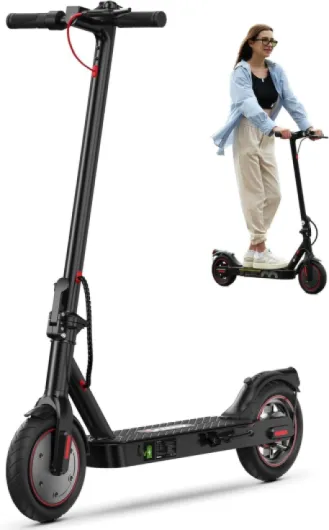
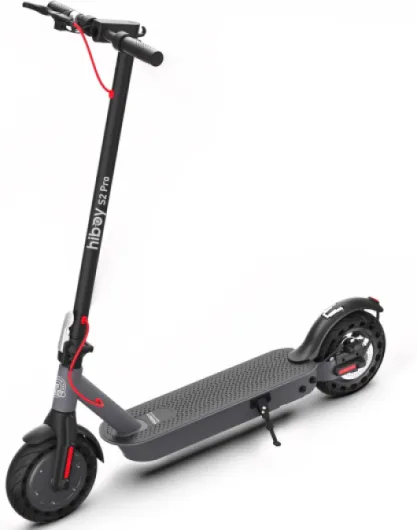
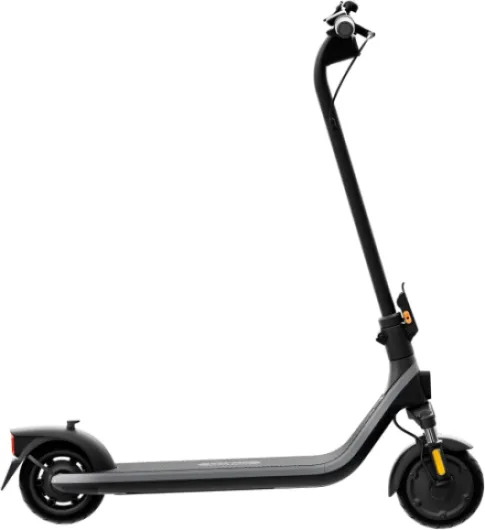
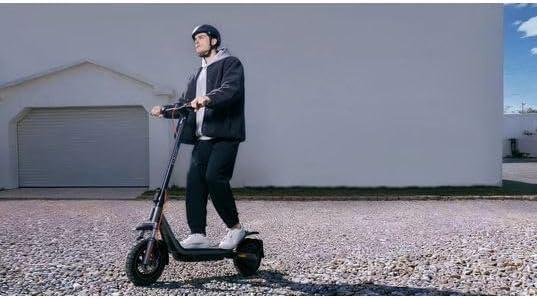
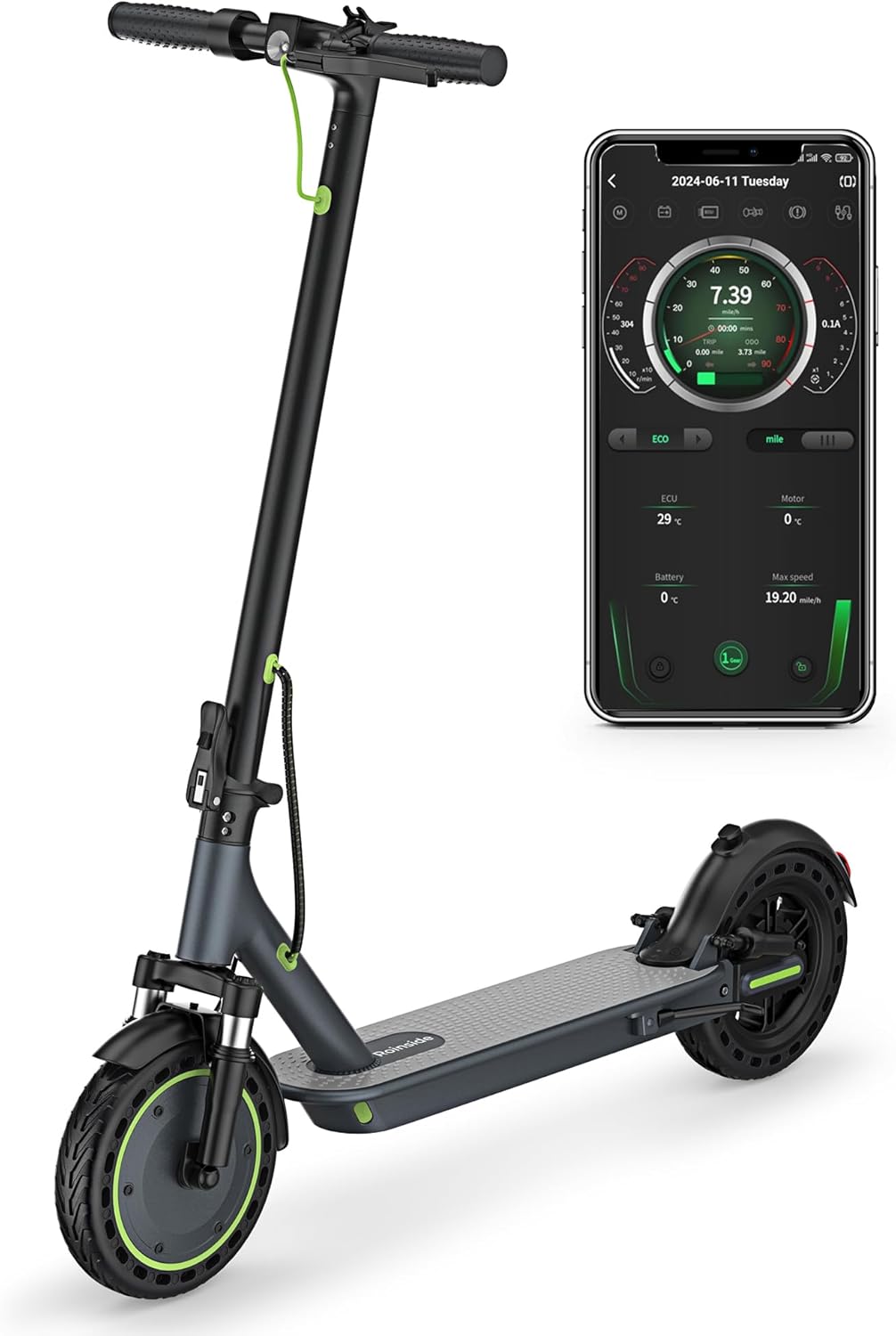
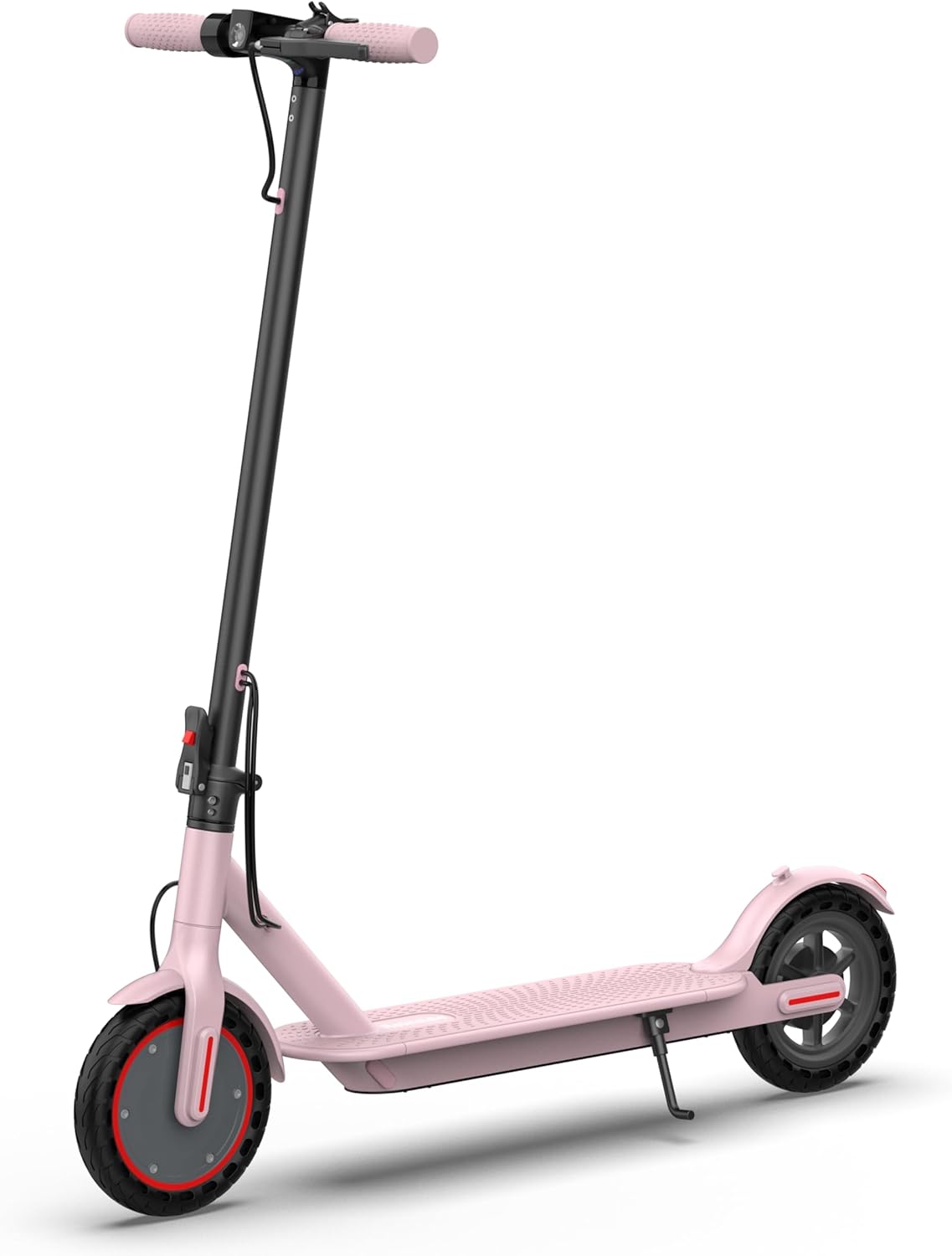
Safety, brakes, and tyres on commuter scooters you can trust
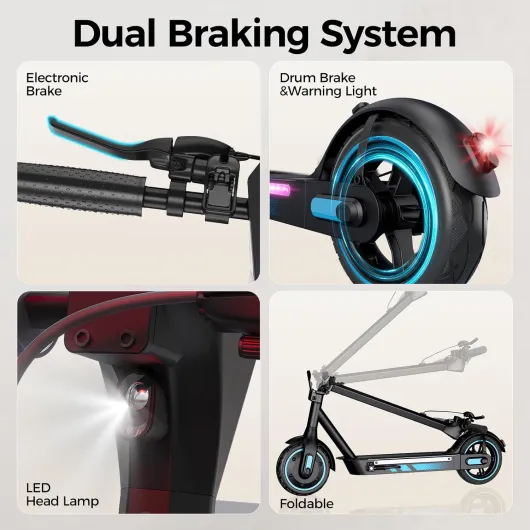
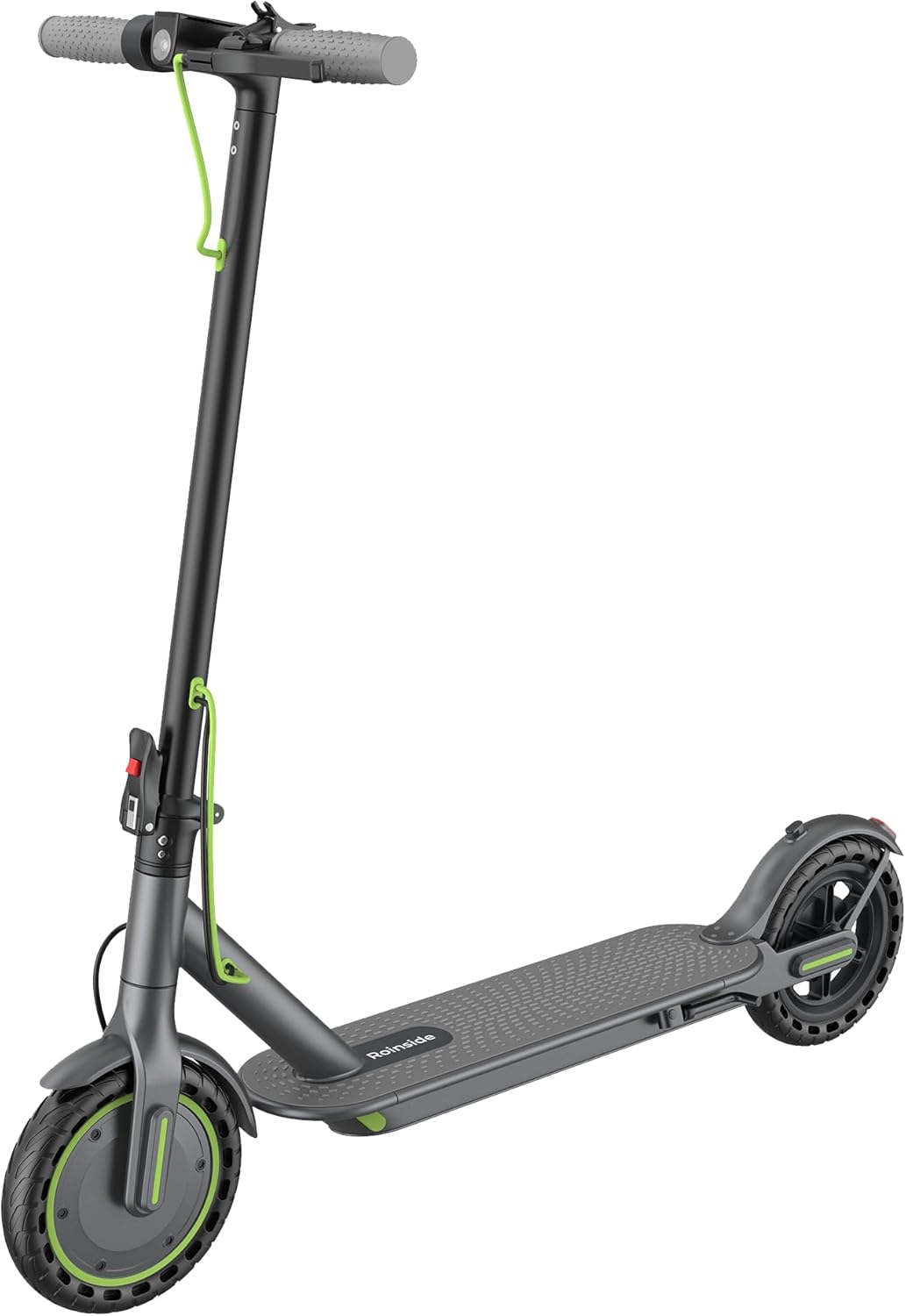
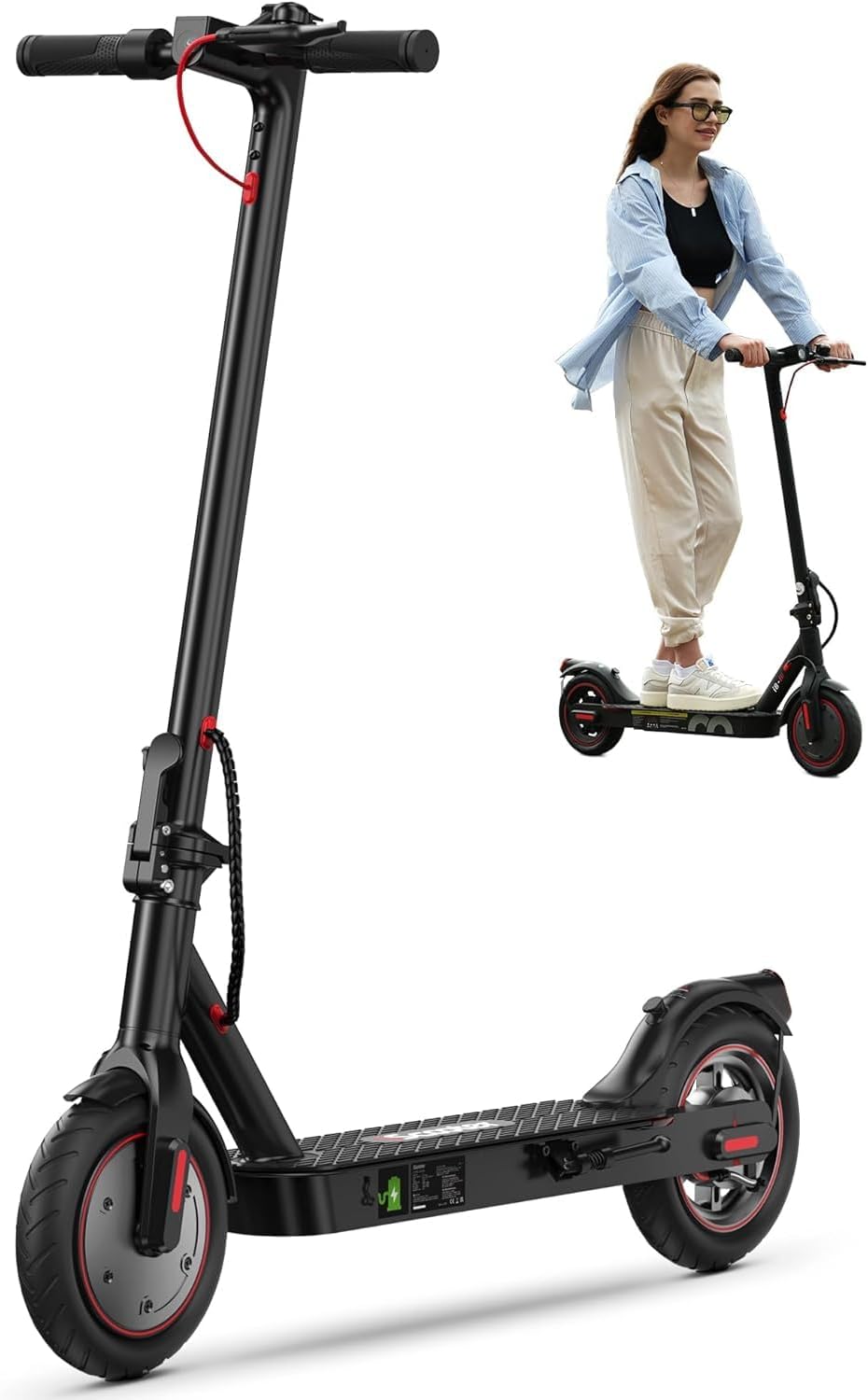
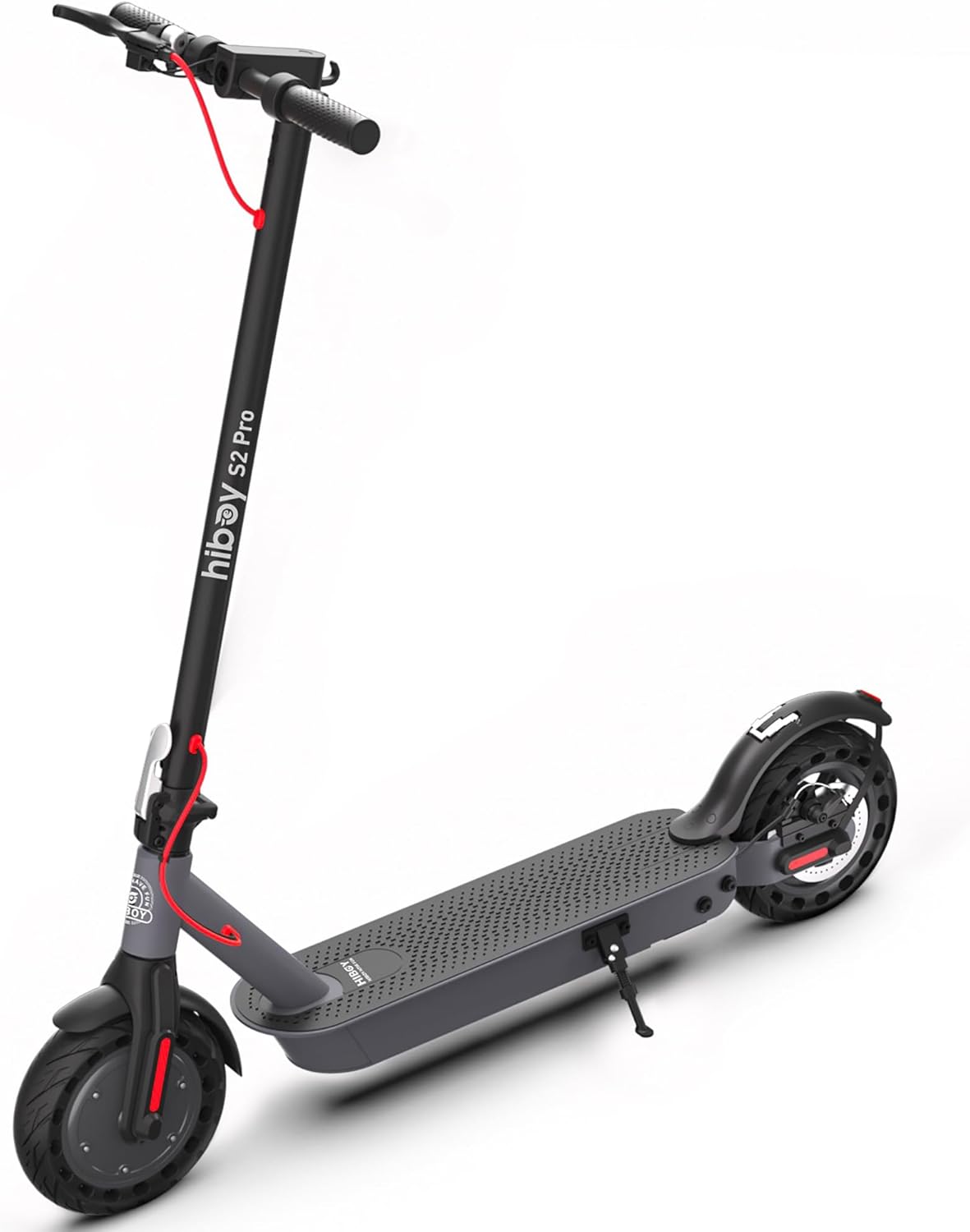
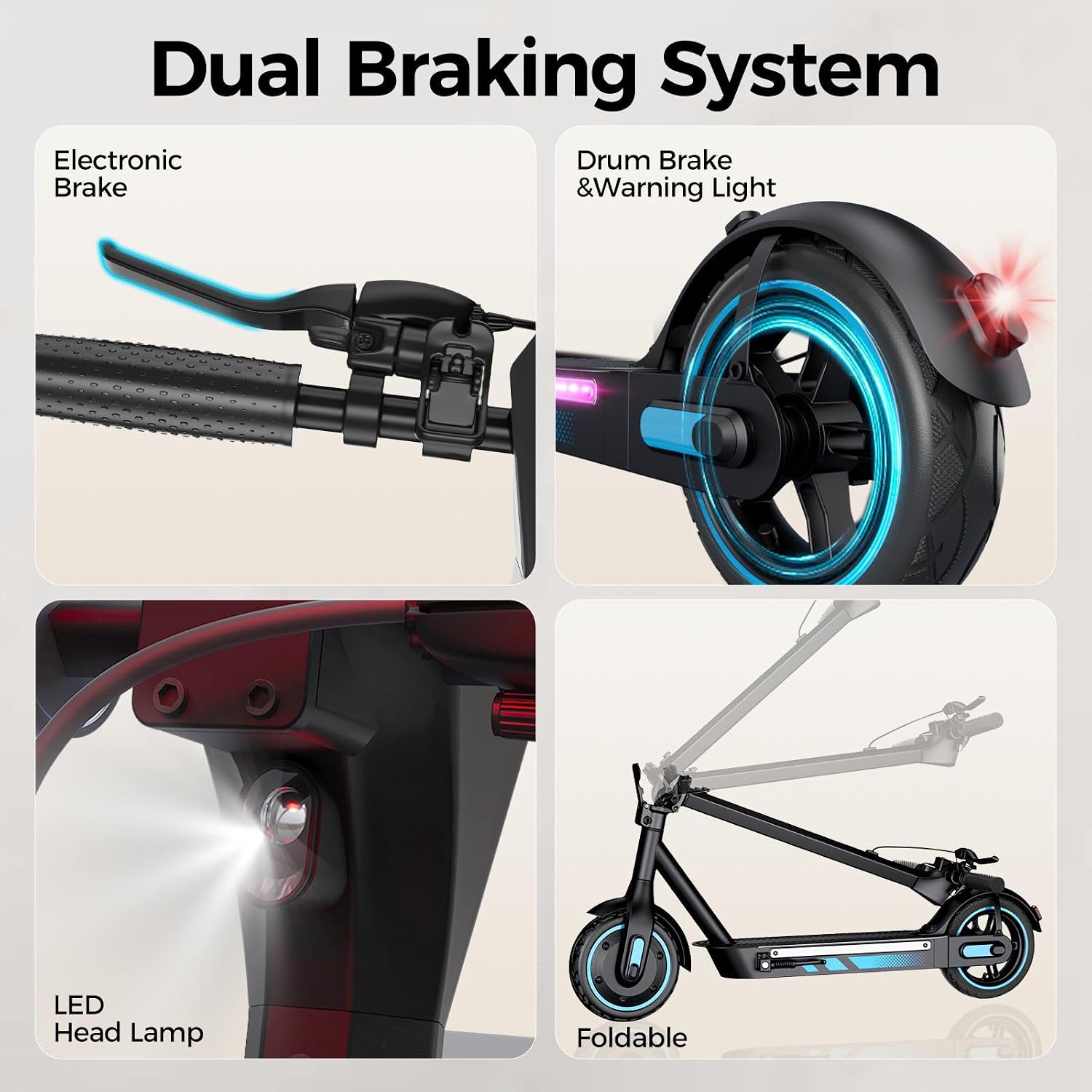
Safety separates the best commuter electric scooters from cheap toys that feel sketchy after a few rides. Braking systems are the core of that safety, because urban traffic demands predictable stopping in wet and dry conditions. When you compare commuter electric scooters, prioritise models with at least a rear drum or disc brake plus electronic braking, rather than relying on a weak foot brake alone.
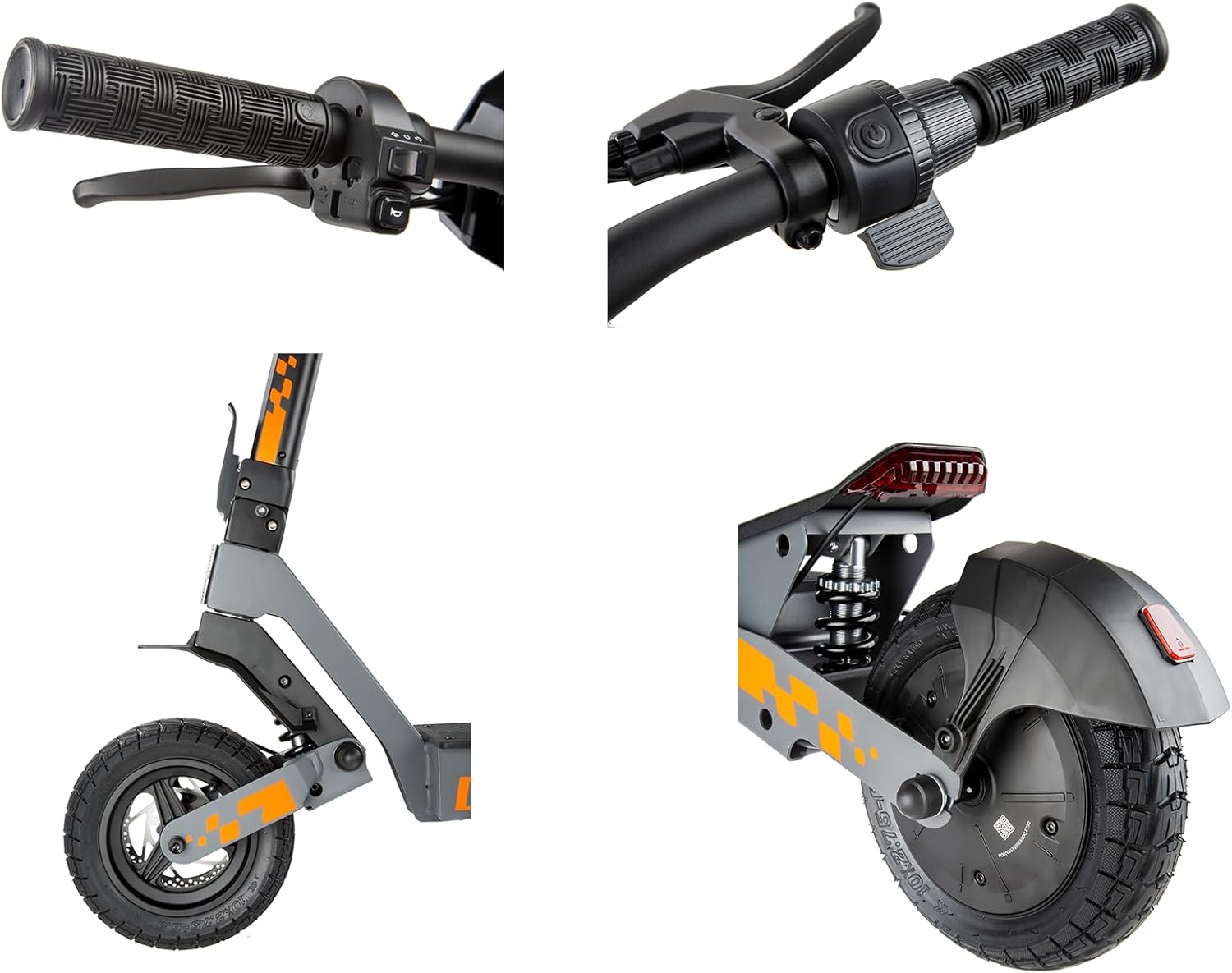
Tyre choice on commuter electric scooters changes comfort and grip more than most buyers expect. Pneumatic tyres around 9 to 10 inches smooth out cobblestones and expansion joints, while solid tyres remove puncture worries but transmit more vibration into your wrists and knees. The best commuter electric scooters often use tubeless pneumatic tyres with reinforced sidewalls, which reduce flats while still giving you a forgiving ride on rough bike lanes.
Lighting and visibility are non negotiable for early morning or late evening commuters. Look for commuter electric scooters with a bright, frame mounted front light, a rear light that stays visible from the side, and ideally integrated side reflectors on the deck or fork. Before you chase seasonal bargains or special offers, such as those highlighted in many electric scooter deals roundups, make sure the safety package meets your daily conditions.
Water resistance ratings on the best commuter electric scooters tell you how they handle rain and puddles. An IP54 rating usually means protection against light splashes, while IP55 or higher gives better resilience for riders who cannot avoid wet commutes. Some commuter electric scooters still exclude water damage from warranty coverage, so always read the small print before trusting them in heavy showers.
Battery, range, and charging habits for reliable commuting
Battery quality defines how long the best commuter electric scooters stay reliable before range starts to fade. Look for branded cells from manufacturers like LG, Samsung, or Panasonic, because these packs usually handle more charge cycles with less degradation. When you compare commuter electric scooters, a slightly smaller high quality battery often outlasts a larger but generic pack.
Capacity is usually expressed in watt hours, which combine voltage and amp hours into one practical figure. For daily city use, many of the best commuter electric scooters sit between 360 and 550 Wh, which supports typical 20 to 35 km real world range depending on rider weight and terrain. Heavier riders or those facing long hills should consider commuter electric scooters closer to 600 Wh to keep a comfortable buffer.
Charging time affects how flexible your routine can be during the week. Standard chargers often take 5 to 7 hours to refill commuter electric scooters from empty, while some models support fast chargers that cut this roughly in half. If you plan to charge at the office, check whether the best commuter electric scooters you shortlist use a compact, fanless charger that will not annoy colleagues under a shared desk.
Battery management systems protect cells from overcharging, deep discharge, and overheating. High quality commuter electric scooters include temperature monitoring and balanced charging across all cells, which reduces the risk of sudden range drops after a year of use. When you read detailed buying guides, such as a top commuter scooters comparison, pay close attention to how each model handles battery safety and long term durability.
Ride comfort, suspension, and ergonomics for everyday use
Comfort on the best commuter electric scooters comes from more than just suspension. Deck size, handlebar height, and overall geometry decide whether you feel stable at 20 km/h or tense and cramped after ten minutes. When you test commuter electric scooters, check that your stance feels natural and that your knees are slightly bent without locking.
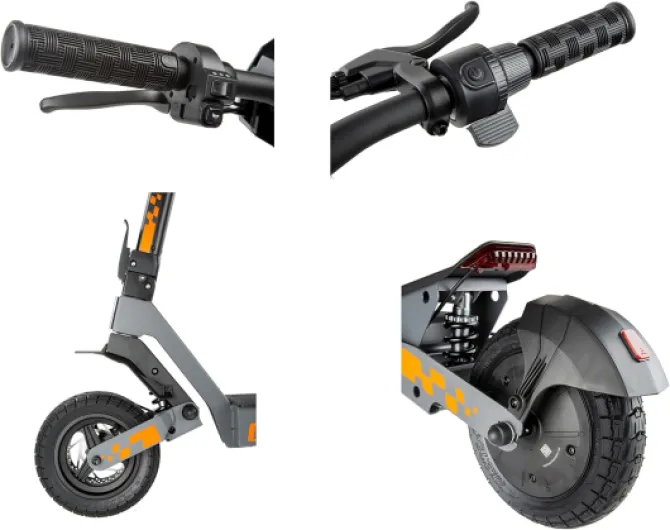
Suspension systems on commuter electric scooters range from simple front springs to dual hydraulic setups. For mostly smooth bike lanes, large pneumatic tyres often provide enough comfort, while rougher routes with broken asphalt benefit from at least front suspension to reduce fatigue. The best commuter electric scooters combine moderate suspension with quality tyres instead of relying on overly soft springs that bounce at speed.
Handlebar width and grip quality influence control and wrist comfort. Narrow bars make commuter electric scooters easier to carry and store, but extremely narrow setups can feel twitchy at higher speeds or on uneven surfaces. Look for the best commuter electric scooters with ergonomic rubber grips and a stable stem that does not flex under hard braking.
Noise and vibration levels also shape your daily experience more than spec sheets reveal. Some commuter electric scooters use better motor controllers and frame damping, which keep high pitched whine and rattles to a minimum. If you want a smoother ride on mixed terrain, it can be worth reading about more rugged platforms, such as those covered in this guide to fat tyre electric dirt bikes, then choosing commuter models that borrow similar design principles for stability.
Portability, storage, and integration with public transport
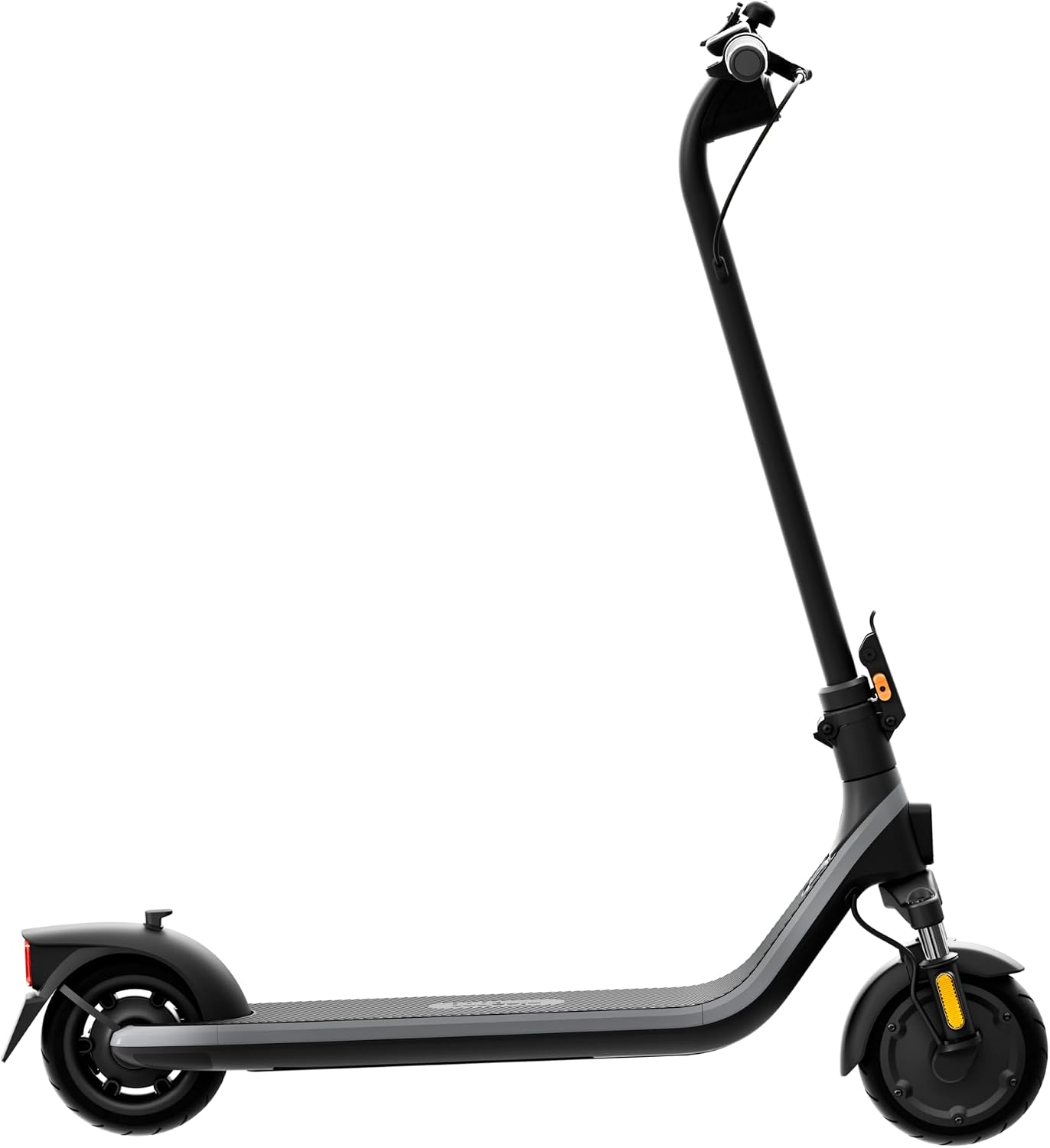
Portability is where the best commuter electric scooters either shine or fail for apartment dwellers. Weight, folded size, and how the scooter locks in the folded position all affect whether you can carry it comfortably through doorways or onto trains. When you compare commuter electric scooters, imagine the tightest staircase or busiest carriage you face each week.
Folding mechanisms on commuter electric scooters should be secure yet quick. A good design lets you fold or unfold in under ten seconds without tools, while still locking firmly enough to avoid wobble at speed. The best commuter electric scooters often use dual safety latches or secondary pins, which prevent accidental folding if you hit a pothole.
Storage at home and at work deserves more attention than it usually gets. Measure the space under your desk, in your hallway, or beside a wardrobe, then check whether commuter electric scooters you like will actually fit there when folded. Wall hooks or vertical stands can help, but the best commuter electric scooters already have a compact footprint that slots into narrow gaps.
Car boot compatibility matters if you combine driving and scooting. Many commuter electric scooters fit easily into compact hatchbacks, but longer decks or wide handlebars can complicate loading. When you shortlist the best commuter electric scooters, look for exact folded dimensions and, if possible, test how they fit into your actual vehicle before committing.
Value, warranties, and long term ownership costs
Value with the best commuter electric scooters is not just about the sticker price. Total cost of ownership includes tyres, brake pads, potential battery replacement, and any servicing needed over several years. When you compare commuter electric scooters, think in terms of cost per kilometre rather than only the initial payment.
Warranty coverage is a strong signal of how much confidence a brand has in its commuter electric scooters. Look for at least a two year warranty on the frame and one year on the battery and electronics, with clear terms about water exposure and user maintenance. The best commuter electric scooters also come with accessible spare parts, so you are not forced to replace the entire scooter after a minor crash.
After sales support can make or break your experience if something goes wrong. Brands that maintain authorised service centres or partner with local repair shops usually keep commuter electric scooters running longer and safer. When evaluating the best commuter electric scooters, check whether the manufacturer offers detailed maintenance guides and responsive customer service in your region.
Resale value is another angle that many buyers overlook. Well known models from reputable brands tend to hold value better, which reduces the effective cost if you upgrade later. If you choose carefully among the best commuter electric scooters, you can often recoup a meaningful portion of your investment when your needs change or you move to a different city.
Key statistics on commuter electric scooters
- Market research from firms such as Grand View Research indicates that the global electric scooter market has grown at an annual rate of around 7 to 10 percent in recent years, driven largely by urban commuters seeking alternatives to cars and crowded public transport.
- Typical real world range for mid tier commuter electric scooters falls between 20 and 30 km per charge for an average weight rider, which is usually about 70 to 80 percent of the manufacturer’s claimed maximum range under ideal test conditions.
- Many city regulations cap the top speed of shared and privately owned commuter electric scooters at around 20 to 25 km/h, which balances efficient travel times with manageable stopping distances in mixed traffic environments.
- Surveys from European urban mobility projects have shown that a significant share of daily car trips are under 5 km, a distance where the best commuter electric scooters can often replace short drives entirely and reduce congestion and emissions.
- Battery packs in quality commuter electric scooters are typically rated for 500 to 800 full charge cycles before noticeable capacity loss, which translates to several years of weekday commuting for most riders when charged and stored correctly.