How allergies work and why a dedicated purifier matters
Allergic reactions start when airborne particles irritate your nose, eyes, or lungs. When you read any air purifier buying guide for allergies, the first goal is always to cut exposure to these particles, not just mask symptoms with medication. Cleaner indoor air reduces the allergen load your body fights every day.
Common triggers include pollen, dust mite droppings, pet dander, mould spores, and smoke particles. Because these allergens stay suspended in the air for hours, a useful air purifier buying guide for allergies must focus on capturing particles down to 0.3 microns, where many of these irritants live. That is why the core of any serious advice on allergy air purifiers is filtration performance rather than cosmetic features or smart gimmicks.
You (buyer) act as the decision maker who must match your allergy profile to the right technology. The manufacturer provides specifications such as HEPA rating, Clean Air Delivery Rate (CADR), and filter type, but you still need to interpret them correctly for your home. This guide translates those technical numbers into practical choices that reduce sneezing, congestion, and night time coughing.
True HEPA, MERV, and filters that actually trap allergens
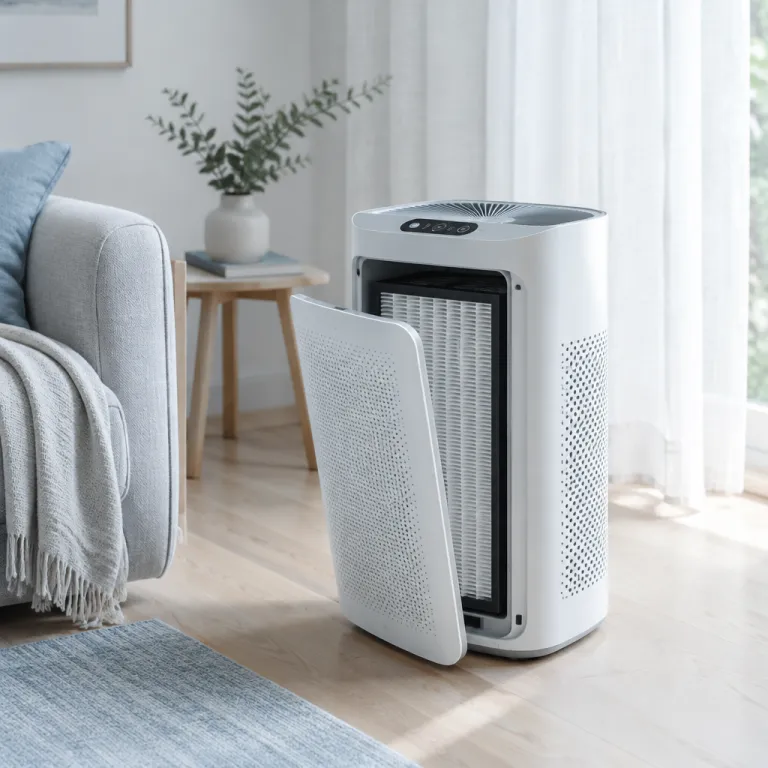
Filter quality is the single most important factor in any air purifier buying guide for allergies. High Efficiency Particulate Air (HEPA) filters are rated to capture tiny particles, and for allergy relief you should insist on a True HEPA filter rather than vague “HEPA like” marketing. According to the U.S. Environmental Protection Agency (EPA), HEPA filters are designed to capture at least 99.97% of particles that are 0.3 microns in diameter.
Many manufacturers also mention MERV ratings, which originally come from HVAC filters but still help you compare particle capture levels. When an allergy focused air purifier guide mentions MERV 13 or higher, it usually indicates strong performance against pollen, pet dander, and fine dust, although portable purifiers more often highlight HEPA classes instead. Always check that both the singular filter and any optional prefilters are sealed properly, because even a small bypass gap can let allergens leak around the edges.
Some premium models add activated carbon filters to reduce odours and certain gases, which can be useful if smoke or traffic pollution worsens your symptoms. Ionizers and ozone generators, on the other hand, should be avoided in any responsible air purifier buying guide for allergies because they may irritate sensitive lungs. If you already enjoy grooming gadgets or electric shavers, you know how a well engineered accessory can transform comfort, and the same principle applies here when you choose the right filter stack instead of flashy extras such as scented cartridges or cosmetic lighting, similar to how a refined grooming routine can be elevated by a carefully chosen aftershave ritual.
Room size, CADR, and placement for real world performance
Even the best filter fails if the purifier is too small for your room. Any serious air purifier buying guide for allergies must connect CADR, which stands for Clean Air Delivery Rate, to your actual floor area. CADR combines airflow and filtration efficiency into one number, measured in cubic feet per minute.
Public health guidance suggests choosing a CADR that can deliver roughly four to five air changes per hour in your space. A practical rule of about 65 cfm of CADR per 100 square feet means you can estimate the size you need with a simple calculation: multiply your room area in square feet by 0.65 to get a target CADR. For example, a 20 square metre bedroom (around 215 square feet) needs a CADR near 140 cfm for pollen or dust (215 × 0.65 ≈ 140). When you compare models in an allergy air purifier guide, always match the CADR rating to your largest room rather than the smallest, because under sizing leads to lingering allergens and disappointing results.
Placement matters almost as much as raw power, so avoid pushing the unit into a corner or behind furniture. Leave at least 30 to 50 centimetres of clearance around the intake and outlet so air can circulate freely, and keep doors open if you want to treat adjacent rooms. Just as a home grooming setup for pets works best when clippers can move freely around the dog, as explained in many home grooming guides, your purifier needs unobstructed airflow to deliver the performance promised in any air purifier buying guide for allergies.
Noise, energy use, and smart features that genuinely help
Living with a purifier every day means noise and running costs matter as much as raw power. When you read an air purifier buying guide for allergies, pay close attention to decibel ratings at low and medium fan speeds, not just the maximum turbo mode. Bedrooms usually need units that stay under about 30 dB on sleep mode to avoid disturbing light sleepers.
Energy consumption also adds up because allergy sufferers often run purifiers 24 hours a day during peak seasons. Look for models with efficient motors and an energy label that keeps power draw modest at the fan speeds you will actually use, then factor this into your long term budget alongside filter replacement costs. A thoughtful guide to allergy friendly air purifiers will highlight that a slightly higher purchase price can be offset by lower electricity use and longer lasting filters over several years of operation.
Smart features can be helpful when they focus on air quality rather than gimmicks. Built in particle sensors, automatic fan control, and clear air quality indicators make it easier to see when pollen counts spike or cooking smoke drifts through the house. If you already compare smart TV guides such as a detailed 4K smart TV buying guide before upgrading your living room, apply the same mindset here and treat any air purifier buying guide for allergies as a tool to separate meaningful smart functions from unnecessary app clutter.
Safety, ozone, and technologies allergy buyers should avoid
Not every air cleaning technology is suitable for sensitive lungs or allergy prone households. A responsible air purifier buying guide for allergies must warn you about ionizers, ozone generators, and unproven “plasma” systems that prioritise marketing over safety. Public health agencies note that some ionizing devices can emit ozone, which may worsen respiratory symptoms.
Ozone is a respiratory irritant that can aggravate asthma and allergy symptoms even at relatively low concentrations. When a manufacturer promotes “active oxygen” or “ozone shock treatment” for odours, that product does not belong in any credible air purifier buying guide for allergies aimed at daily home use. Instead, prioritise mechanical filtration with True HEPA and optional carbon, which removes particles and some gases without creating new pollutants.
Also check for third party certifications from recognised organisations that test for safety and performance. Labels that confirm low ozone emissions and accurate CADR ratings give you extra confidence that the purifier behaves as promised in real homes. As you compare models, treat safety checks as non negotiable, just as you would with any other home tech purchase where long term exposure and reliability matter more than short term discounts or flashy advertising in an air purifier buying guide for allergies.
Maintenance, filter changes, and long term ownership costs
Owning a purifier is a long game, and maintenance determines whether your investment keeps working for allergies. Every practical air purifier buying guide for allergies should push you to calculate annual filter costs before you buy, not after the first warning light appears. A low upfront price can quickly become expensive if replacement filters are rare or overpriced.
Most True HEPA filters last six to twelve months under continuous use, while prefilters and carbon layers may need more frequent changes depending on dust levels and smoke exposure. When you evaluate models through any guide to the best purifiers for allergies, look for clear replacement schedules, easy access panels, and availability of genuine filters from the manufacturer or authorised retailers. Avoid units that rely on proprietary cartridges with no transparent pricing, because this makes long term budgeting difficult and can tempt owners to delay essential changes.
Routine care also includes vacuuming or gently rinsing washable prefilters to keep airflow strong. Set reminders on your phone or smart home system so filter changes do not slip, especially during peak pollen seasons when performance matters most. By treating maintenance as part of your buying decision, you align with the core objective of every serious air purifier buying guide for allergies, which is to deliver sustained symptom relief rather than short lived improvements.
Step by step checklist for choosing the right purifier
Turning specifications into a confident purchase is easier with a structured checklist. Start by listing your main triggers such as pollen, pet dander, or dust mites, then match them to a True HEPA purifier sized correctly for your largest room. This simple alignment between allergens and capacity underpins every reliable air purifier buying guide for allergies.
Next, measure your room in square metres and convert to the CADR you need using the 65 cfm per 100 square feet rule as a baseline. Compare several models from trusted brands, checking that their CADR ratings, noise levels, and filter costs fit your lifestyle and budget over at least three years of use. When you read any allergy air purifier buying guide, prioritise models that publish transparent performance data and carry independent certifications rather than relying on vague claims about “hospital grade” or “medical quality” air.
Finally, consider how the purifier will integrate into your daily routine. Look for intuitive controls, clear filter indicators, and a design that fits your bedroom or living room without dominating the space. By following this structured approach, you turn an overwhelming market into a manageable shortlist and use an air purifier buying guide for allergies as a practical tool rather than a confusing wall of technical jargon.
Key statistics for allergy focused air purifiers
- True HEPA filters are rated to capture 99.97 % of particles at 0.3 microns, which includes many pollen grains, dust mite fragments, and pet dander that trigger respiratory allergies (EPA data).
- A practical sizing rule is to choose a Clean Air Delivery Rate of about 65 cubic feet per minute for every 100 square feet of room area, which typically delivers four to five air changes per hour in a standard ceiling height room (regional public health guidance).
- Studies of portable HEPA units in homes with allergy sufferers report substantial reductions in indoor particulate levels compared with no filtration, especially when devices are correctly sized and run continuously in bedrooms.
- Noise levels below roughly 30 decibels on sleep mode are generally perceived as quiet enough for night time use, which is critical because many allergy symptoms worsen when lying down and continuous filtration helps maintain cleaner air.
- Filter replacement typically represents the largest ongoing cost of ownership, often matching or exceeding the original purchase price over a three to five year period, so buyers should always compare annual filter costs alongside CADR and HEPA ratings.
FAQ
Do I really need a HEPA filter for allergy relief ?
Yes, a True HEPA filter is essential for most allergy sufferers because it captures 99.97 % of particles at 0.3 microns, including many common allergens. Models that advertise only “HEPA like” or “HEPA type” filtration may not meet this standard. Any serious air purifier buying guide for allergies will therefore recommend True HEPA as a baseline requirement.
What CADR rating should I choose for my bedroom ?
Start by measuring your bedroom and converting the area to square feet, then apply the guideline of about 65 cfm of CADR per 100 square feet. This usually delivers four to five air changes per hour, which is suitable for allergy control in typical homes. When comparing models in an allergy air purifier guide, always round up rather than down to avoid under sizing.
Are ionizers and ozone generators safe for people with allergies ?
Ionizers and ozone generators are not recommended for allergy sufferers because they can emit ozone, a lung irritant that may worsen symptoms. Public health information notes that ionizing devices may emit ozone which worsens allergies, and this aligns with broader guidance. A trustworthy air purifier buying guide for allergies will therefore steer you toward mechanical filtration instead.
How often should I replace the filters in my purifier ?
Most HEPA filters need replacement every six to twelve months, while prefilters and carbon layers may require more frequent changes depending on dust and smoke levels. Always follow the manufacturer’s schedule and pay attention to filter indicator lights if your model includes them. When using an air purifier buying guide for allergies, factor these intervals into your long term cost calculations.
Can one purifier handle multiple rooms in my home ?
A single portable purifier is usually most effective when dedicated to one main room such as a bedroom or living area. You can move it between spaces, but performance drops if doors are closed or the total area exceeds the rated coverage. For whole home relief, many air purifier buying guide for allergies resources suggest either multiple units or a central HVAC based solution with high MERV filtration.
References
- United States Environmental Protection Agency (EPA) – guidance on residential air cleaners and HEPA filtration.
- Association of Home Appliance Manufacturers (AHAM) – CADR ratings and testing standards for portable air cleaners.
- Asthma and Allergy Foundation of America (AAFA) – educational resources on indoor allergens and air cleaning strategies.