Key features that separate average units from the best portable air conditioners with dehumidifier
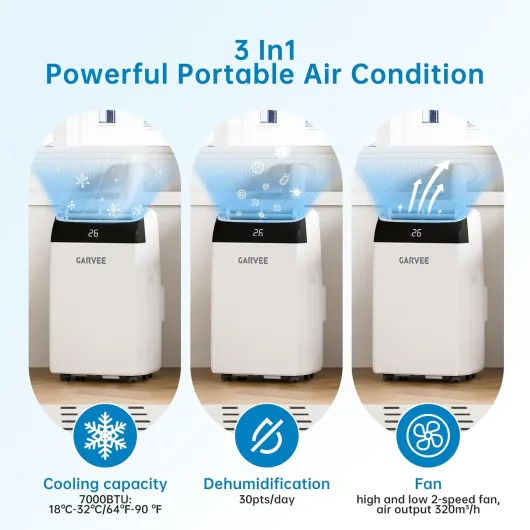
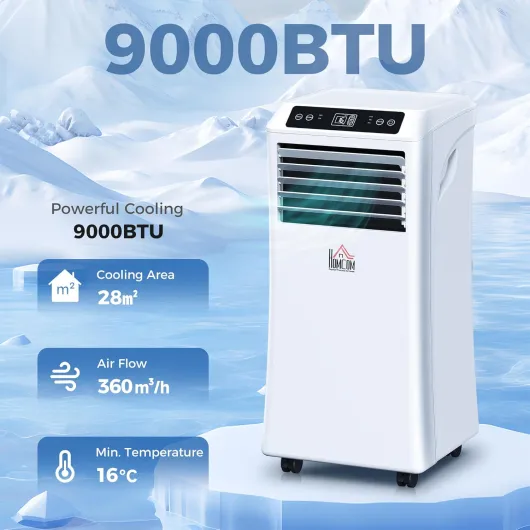
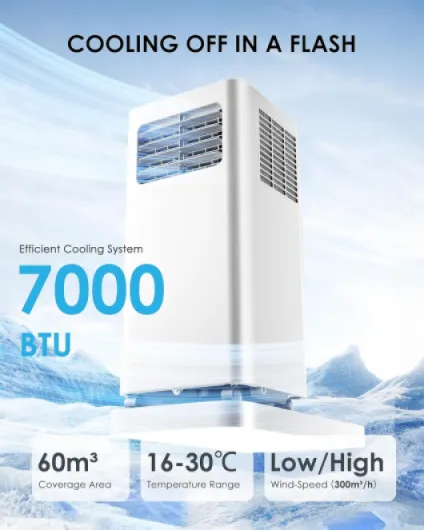
Not every portable air conditioner with dehumidifier mode performs equally well. Some units prioritise raw cooling power, while others focus on energy efficiency and smart control. When you shortlist the best portable air conditioners with dehumidifier functions, pay close attention to the control logic and airflow design rather than just the headline BTU figure.
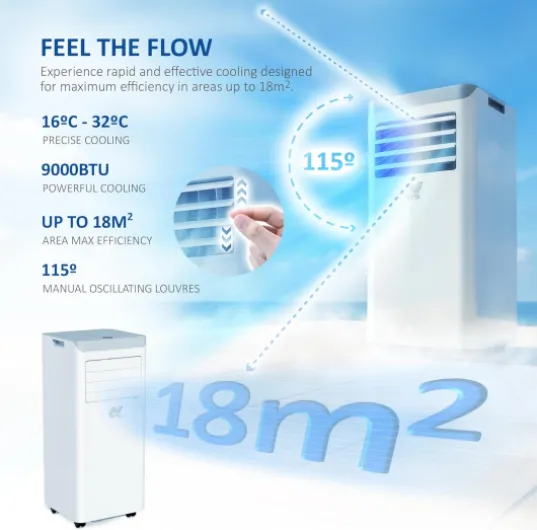
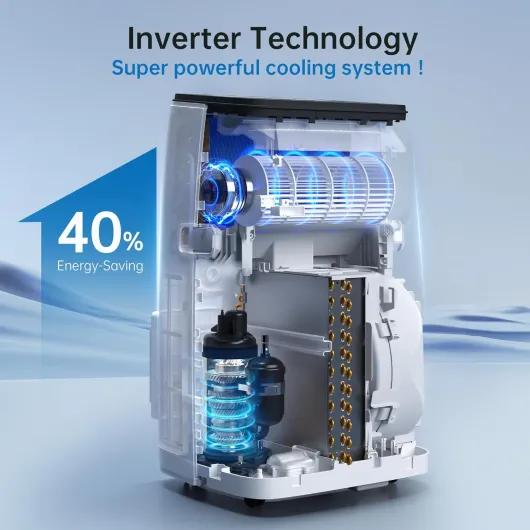
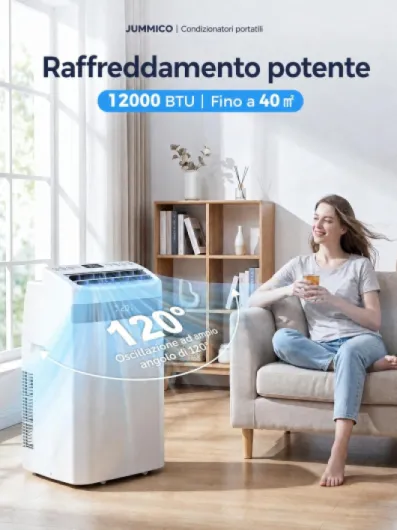
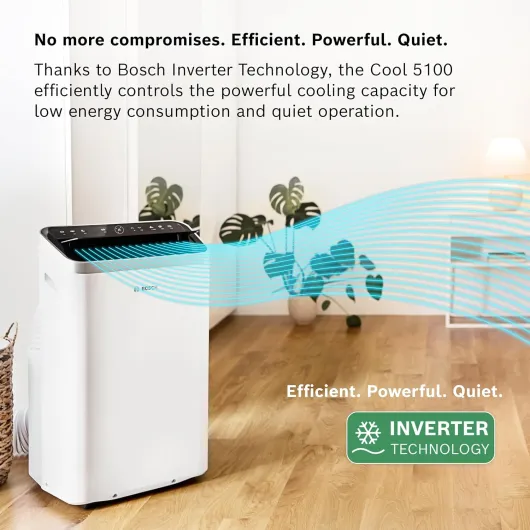
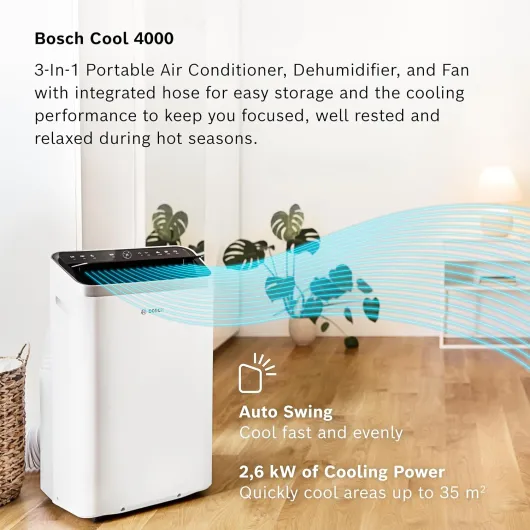
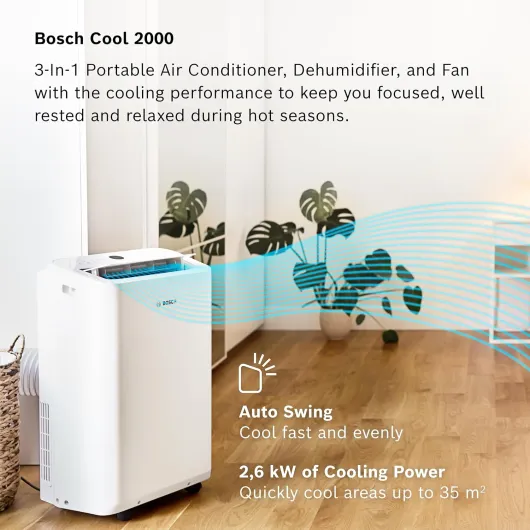
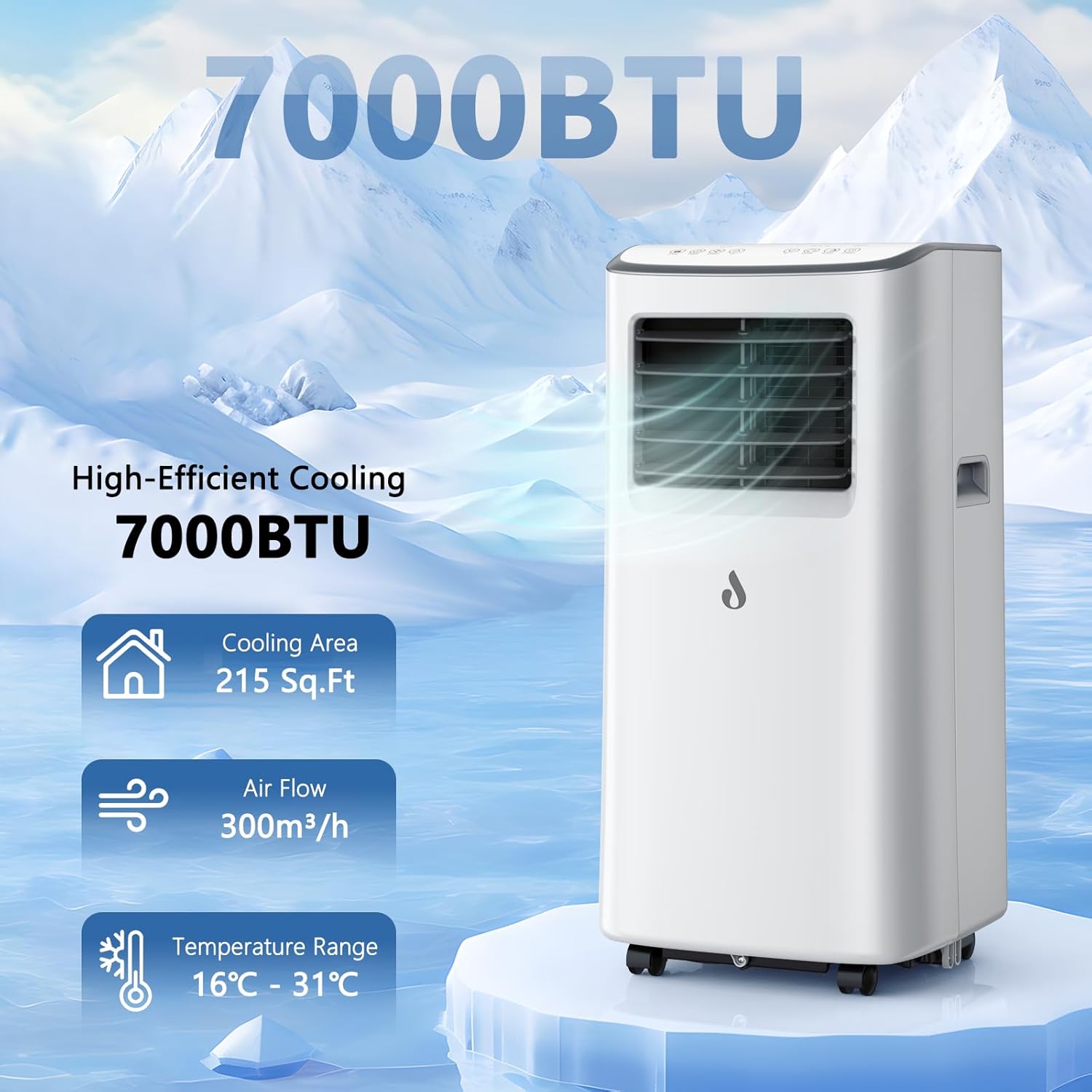
Look for models with variable fan speeds and an automatic mode that adjusts output to maintain a stable temperature. A good example is a unit that can modulate between 1 kW and 3 kW of cooling, instead of constantly cycling on and off at full power. Inverter driven portable ACs are increasingly common in this range. The best portable air conditioners with dehumidifier features often combine this with a swing louvre system that distributes air evenly across the room, reducing hot spots and cold drafts.
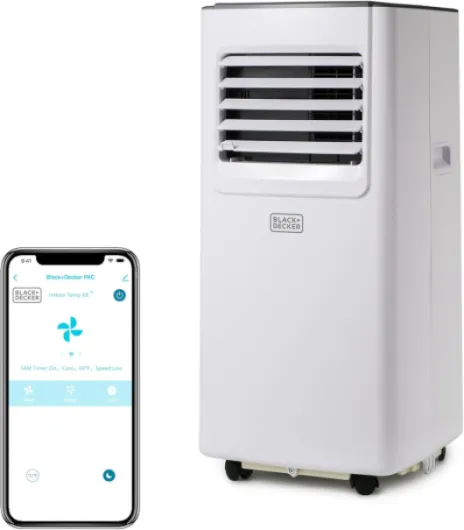
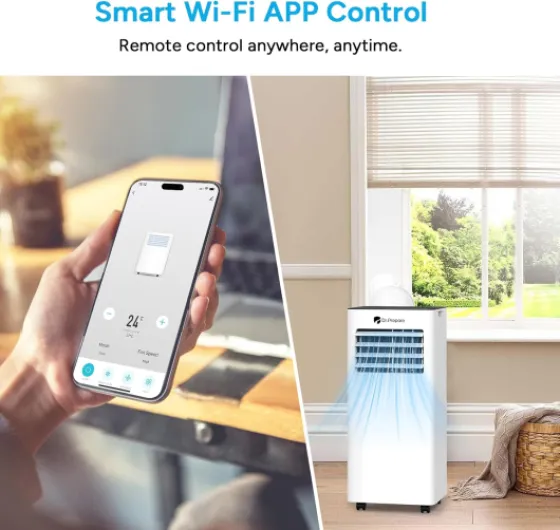
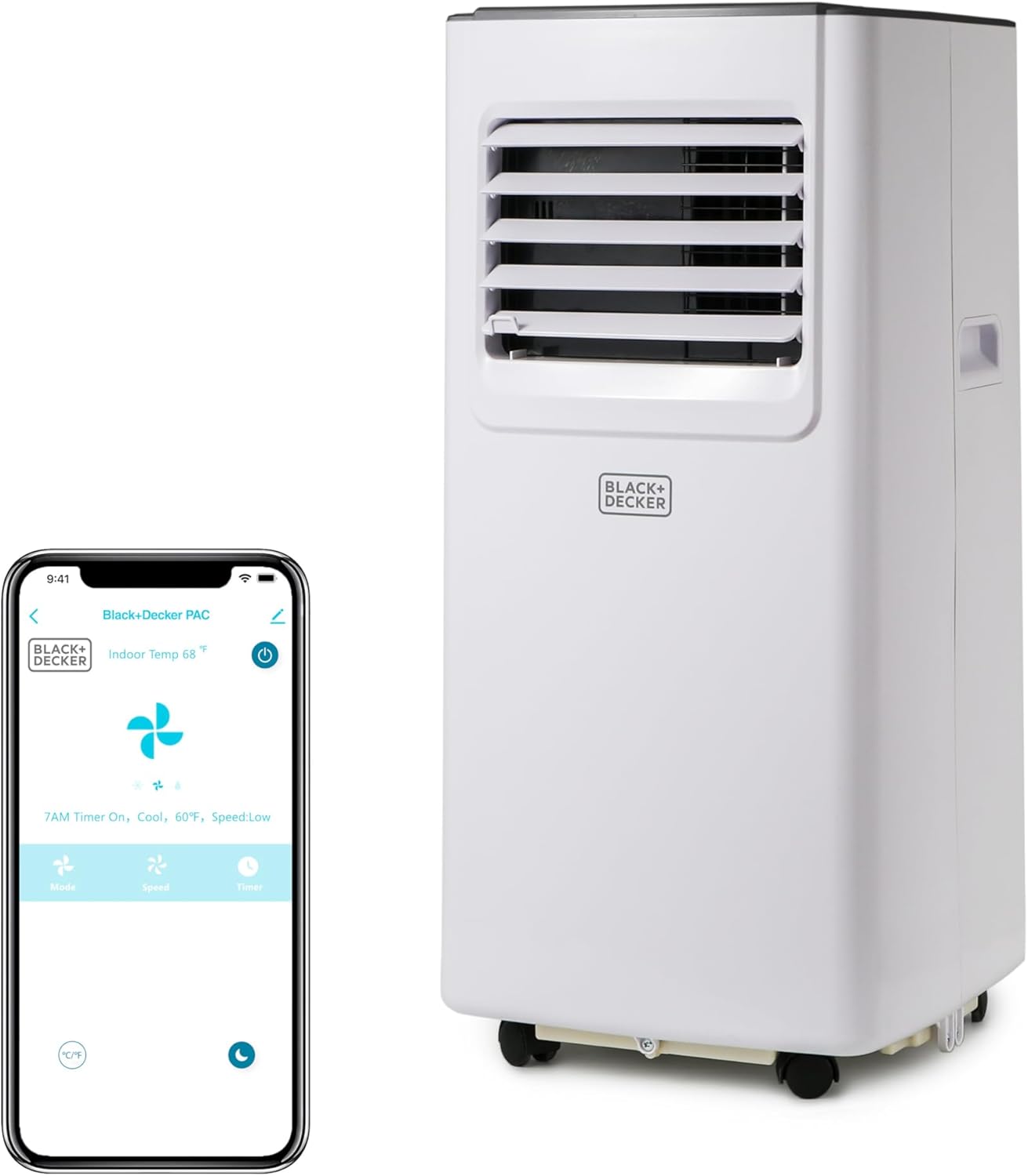
Smart connectivity is no longer a luxury in this category. Wi Fi control through a dedicated app lets you start cooling before you arrive home, while integration with voice assistants can simplify daily use. When evaluating the best portable air conditioners with dehumidifier capabilities, check whether the app allows scheduling, energy monitoring, and separate control of cooling and dehumidifying modes. Some apps also show estimated kWh consumption per day, which can help you compare a portable dehumidifying air conditioner with other appliances in your home.
Filter quality also plays a significant role in comfort. Basic mesh filters capture dust, but higher end models may include activated carbon or fine particle filters that help reduce odours and some airborne particles. If indoor air quality is a priority, consider pairing your unit with a separate energy efficient air purifier to complement the best portable air conditioners with dehumidifier performance. This combination is especially useful for allergy sufferers who need both humidity control and finer filtration than most portable AC filters provide.
Drainage flexibility can make daily life easier. Some units support continuous drainage through a hose, which is ideal for very humid climates, while others rely mainly on an internal tank that needs regular emptying. When you compare the best portable air conditioners with dehumidifier models, prioritise those that offer both options, especially if you plan to move the unit between rooms. A model that can switch from tank collection in a bedroom to hose drainage in a basement gives you more long term flexibility.
Installation and placement tips for portable air conditioners with dehumidifier
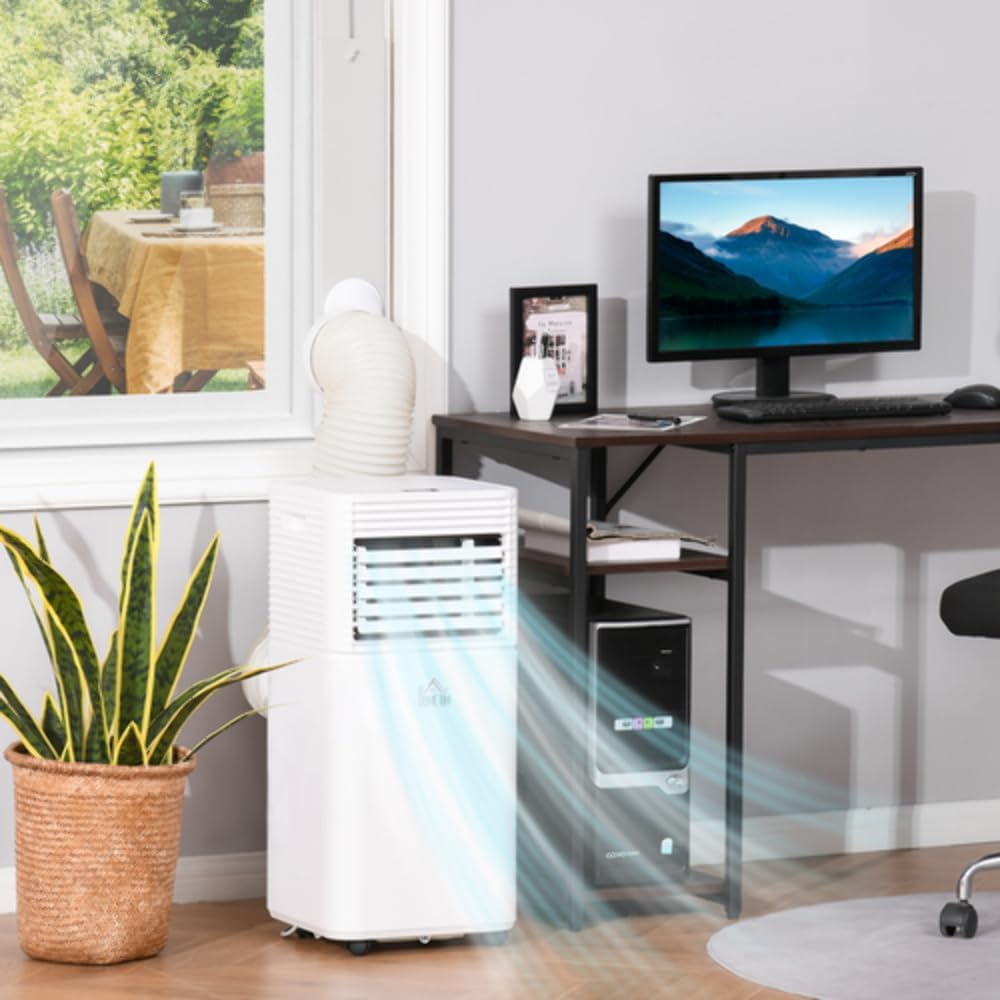
Correct installation is essential if you want the best portable air conditioners with dehumidifier performance. Even a premium unit will struggle if the exhaust hose is kinked or the window kit leaks warm air. Start by choosing a location close to a window and a power outlet, leaving at least 30 cm of clearance around the appliance and ensuring the power cord can reach without using extension leads, which many manufacturers advise against.
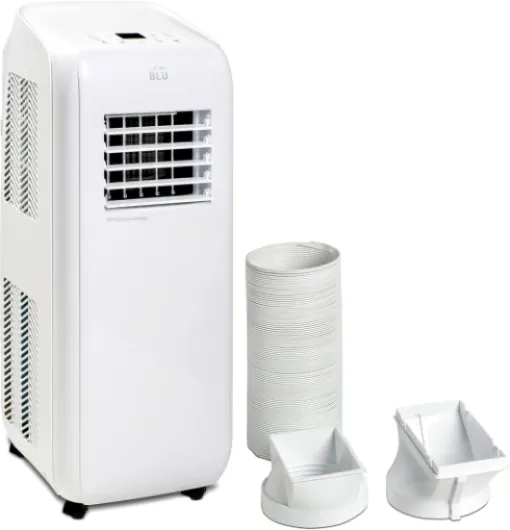
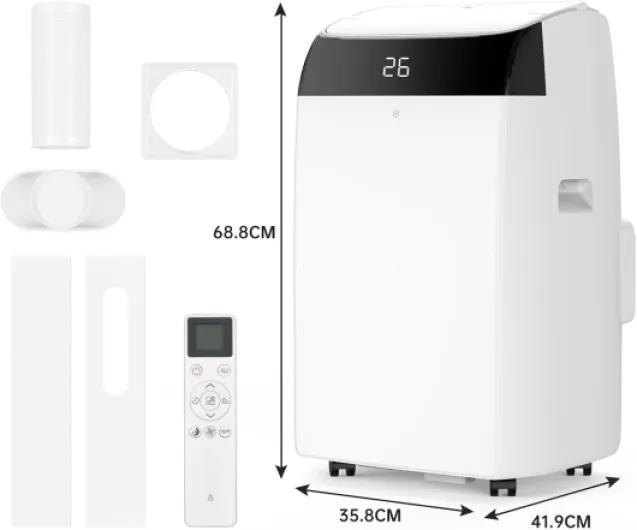
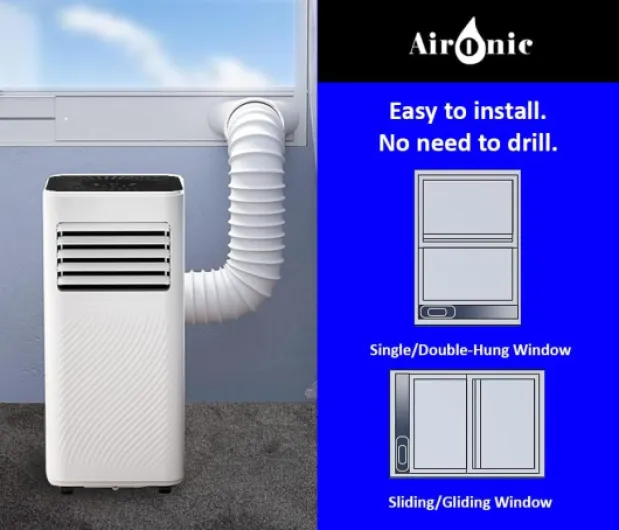
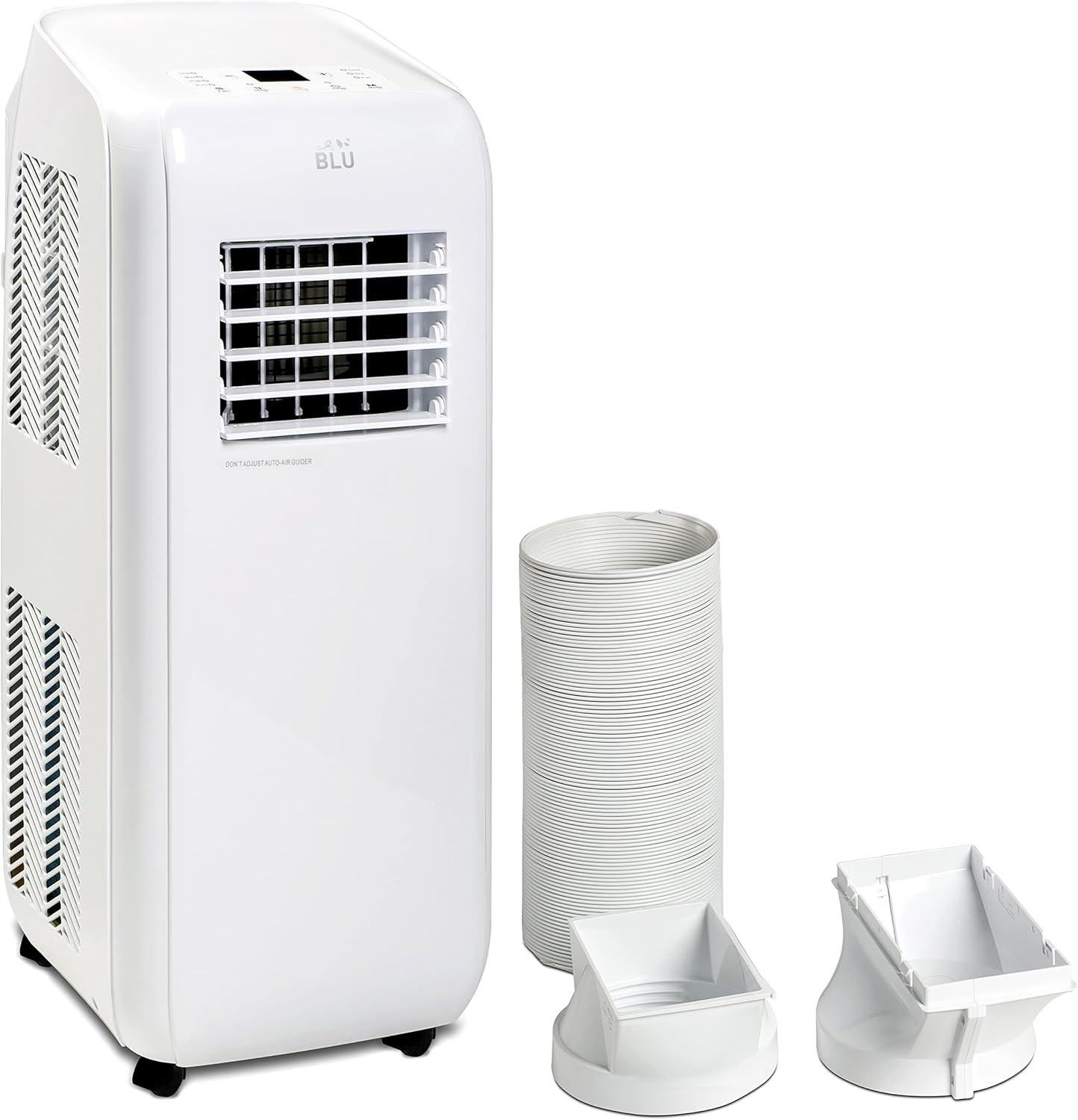
Most portable air conditioners with dehumidifier functions use a window kit that fits sliding or hinged windows. Measure the window opening carefully, then adjust the included panel so it seals tightly without gaps. Use the supplied foam or weatherstripping to minimise air leaks. If you live in an apartment and need more guidance, a dedicated guide to portable air conditioners for apartments can help you match the best portable air conditioners with dehumidifier options to your specific window style and any building rules about visible exhaust hoses.
Hose length and routing affect efficiency more than many buyers expect. Keep the exhaust hose as short and straight as possible, because long or sharply bent hoses increase back pressure and reduce cooling performance. Avoid running the hose through ceilings or walls unless the manufacturer explicitly allows it. The best portable air conditioners with dehumidifier designs usually include insulated hoses that limit heat transfer back into the room, which can otherwise raise the indoor temperature by several degrees.
Water management is another installation detail you should plan in advance. If you use continuous drainage, position the unit so gravity can move water through the hose into a floor drain or container. Check that the hose outlet is always higher than the drain point to avoid backflow. When you rely on the internal tank, make sure you can easily access it, because even the best portable air conditioners with dehumidifier systems will shut down if the tank becomes full and the float switch activates.
For renters or anyone uncomfortable with tools, some brands focus on simplified setups. These models often include pre assembled window kits and clear labelling on every component, which reduces installation time to under 15 minutes in many cases. If you value this kind of convenience, look for guides to easy install portable air conditioners when comparing the best portable air conditioners with dehumidifier solutions, and check user reviews for comments about real world setup times.
Energy efficiency, running costs, and climate considerations
Operating costs can vary widely between portable air conditioners with dehumidifier functions. Two units with similar cooling capacity may consume very different amounts of electricity over a hot season. When you evaluate the best portable air conditioners with dehumidifier options, always check the energy efficiency ratio or seasonal efficiency rating on the label, and compare the stated annual kWh consumption under standard test conditions.
In moderate climates, a model with an A or higher energy rating can significantly reduce your monthly bills. For example, a 2.6 kW unit with a high efficiency compressor may use 20 to 30 percent less electricity than an older design with the same nominal capacity. Over several summers, this difference often offsets the higher purchase price of the best portable air conditioners with dehumidifier features. The European Commission notes that improving the efficiency of cooling appliances can cut household electricity use by up to around 30 percent, which aligns with these savings.
Climate and building insulation also influence real world performance. In a well insulated flat in a temperate region, you might run the unit mainly in dehumidifier mode, which typically consumes less power than full cooling because the compressor cycles less frequently. In contrast, a top floor apartment under a dark roof in a hot region will push even the best portable air conditioners with dehumidifier systems close to their limits during heatwaves, and you may need to close blinds and reduce internal heat gains to maintain comfort.
Pay attention to how the unit handles part load operation. Some models use inverter technology to modulate compressor speed, which keeps temperature more stable and reduces energy spikes. When you compare the best portable air conditioners with dehumidifier designs, prioritise those that can maintain comfort without constantly cycling on and off. This not only saves energy but also reduces wear on components such as the compressor and fan motors.
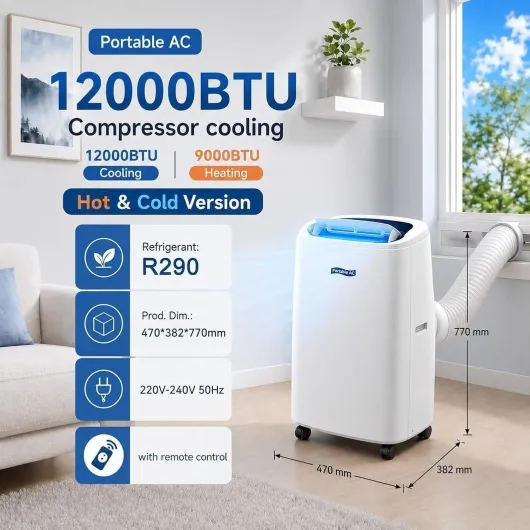
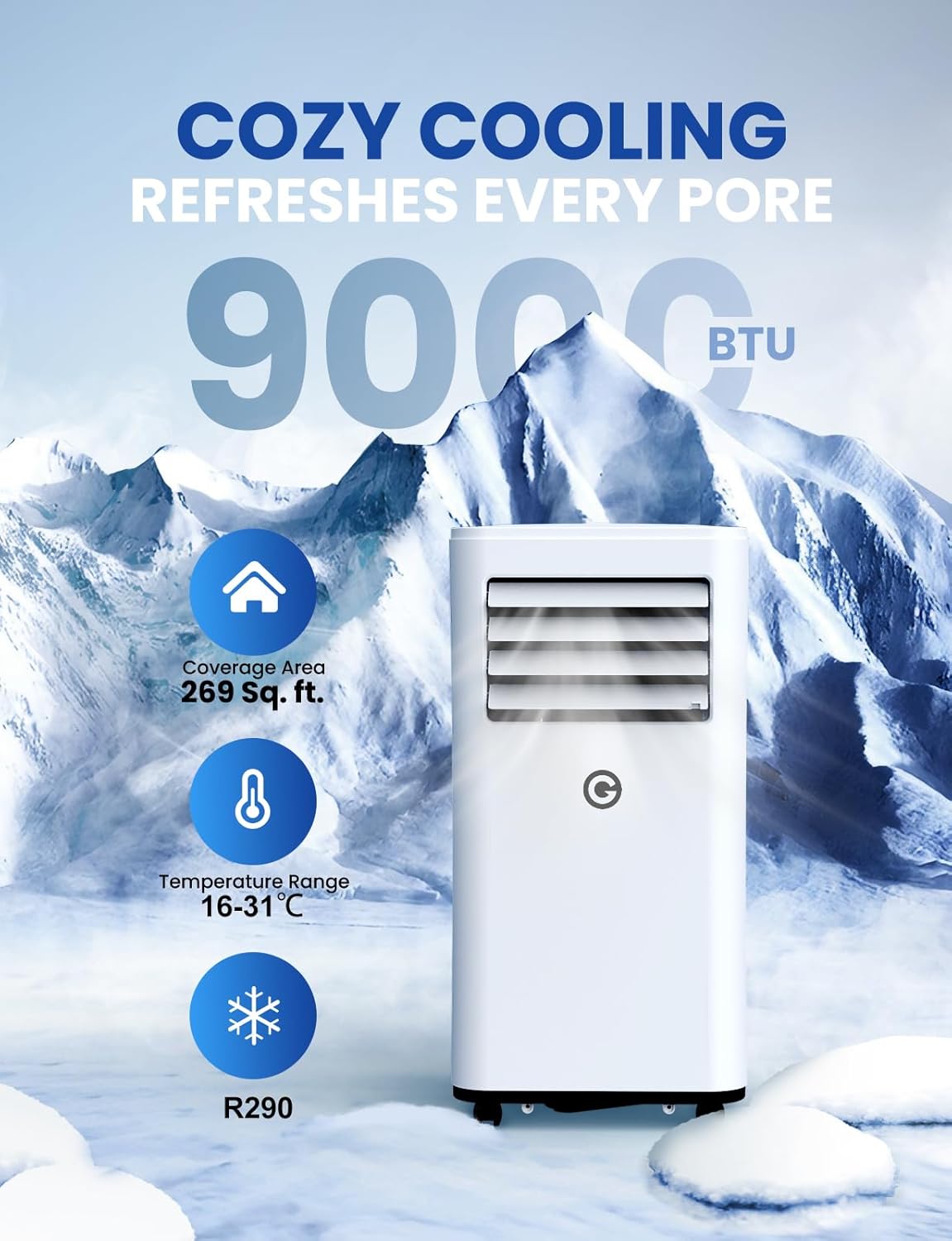
Finally, consider the environmental impact of the refrigerant used. Many modern units rely on R290, a propane based refrigerant with a lower global warming potential than older gases like R410A. According to data from international climate assessments, R290’s global warming potential is significantly lower than many legacy refrigerants. However, R290 is mildly flammable, so manufacturers design these portable ACs with sealed circuits and safety controls, and you should always follow the installation and ventilation instructions in the manual. Choosing the best portable air conditioners with dehumidifier functions that use more sustainable refrigerants helps balance comfort with environmental responsibility.
Maintenance routines that keep portable air conditioners with dehumidifier working at their peak
Regular maintenance keeps portable air conditioners with dehumidifier functions efficient and hygienic. Dust, pet hair, and mineral deposits can gradually reduce airflow and dehumidification capacity. Even the best portable air conditioners with dehumidifier systems need simple but consistent care throughout the cooling season to maintain their original performance figures.
Start with the air filters, which usually slide out from the back or side of the unit. Rinse them under lukewarm water every two to four weeks, then let them dry completely before reinstalling. In homes with pets or heavy dust, weekly cleaning may be more appropriate. When you maintain this routine, the best portable air conditioners with dehumidifier features can sustain strong airflow and more stable room temperatures, and the evaporator coil stays cleaner for longer.
Water management also requires attention. Empty the condensate tank whenever the indicator shows it is full, and clean the tank periodically with mild soap to prevent odours. If you use a continuous drain hose, inspect it monthly for kinks or algae buildup, because even the best portable air conditioners with dehumidifier designs cannot compensate for a blocked drain path. In very hard water areas, check the drain outlet for mineral deposits and gently remove any scale according to the manufacturer’s guidance.
At the end of the season, prepare the unit for storage. Run it in fan only mode for about 30 minutes to dry the internal coils, then disconnect the hose and wipe down the exterior. Storing the best portable air conditioners with dehumidifier units in a dry, dust free space helps prevent mould growth and extends their service life. Coil surfaces that remain damp in storage are more likely to develop odours, so this drying step is important.
When you notice reduced performance or unusual noises, do not ignore them. Check for clogged filters, blocked hoses, or ice formation on the coils, and consult the manual before assuming a major fault. Many issues, such as a frozen evaporator, are linked to restricted airflow or very low set temperatures. With this proactive approach, the best portable air conditioners with dehumidifier capabilities can deliver reliable comfort for many seasons without frequent service calls.
Matching portable air conditioners with dehumidifier to different lifestyles and room types
Different households use portable air conditioners with dehumidifier functions in very different ways. A remote worker in a small home office has other priorities than a family cooling an open plan living area. The best portable air conditioners with dehumidifier solutions adapt to these varied scenarios without becoming complicated to operate or requiring constant manual adjustments.
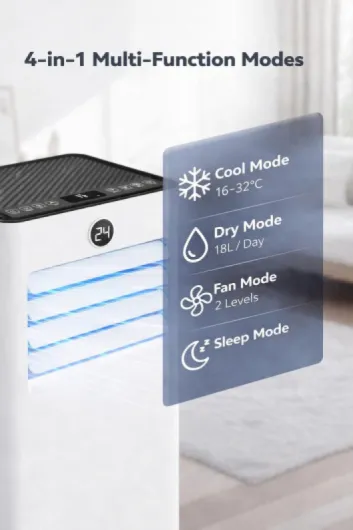
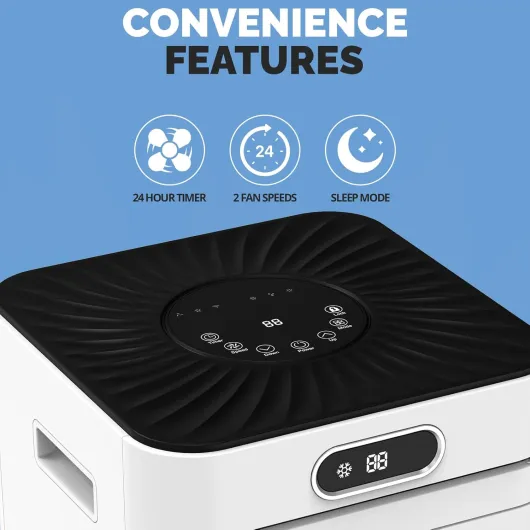
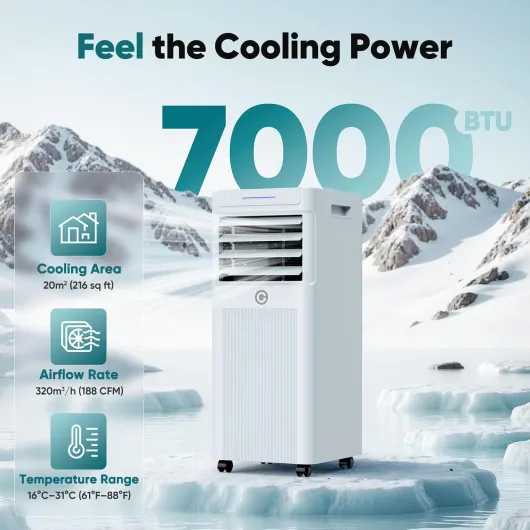
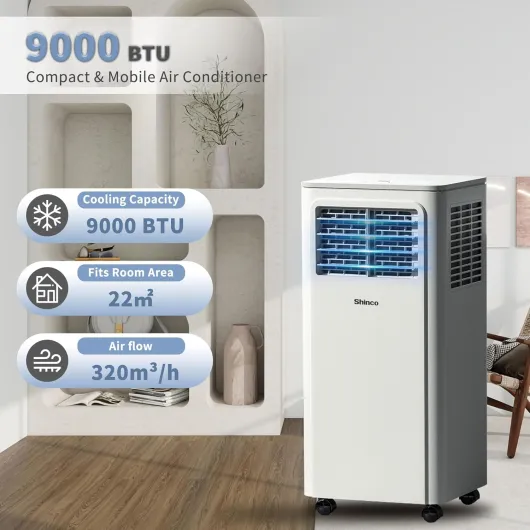
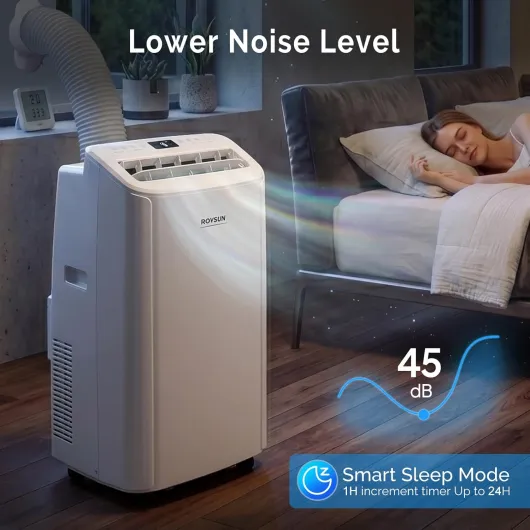
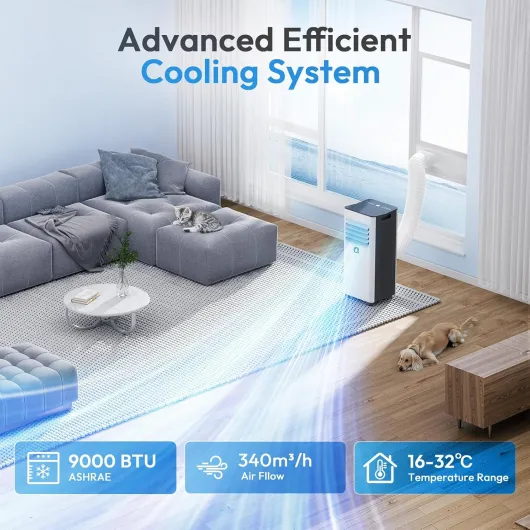
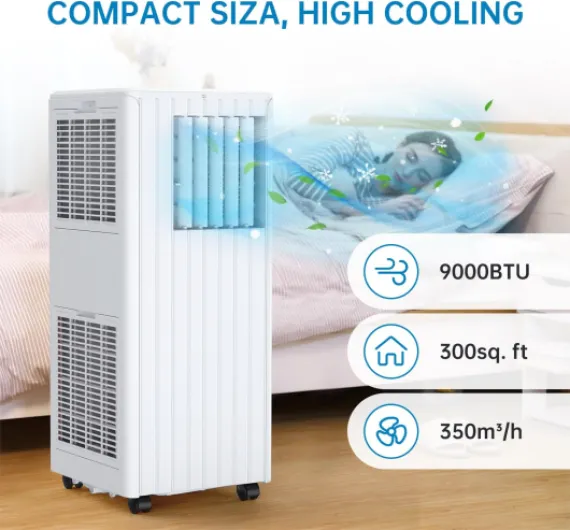
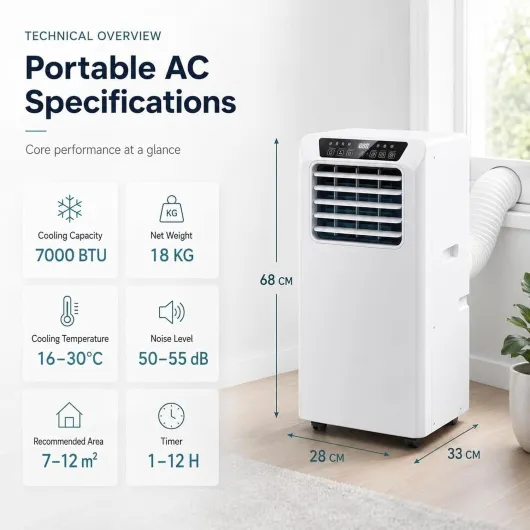
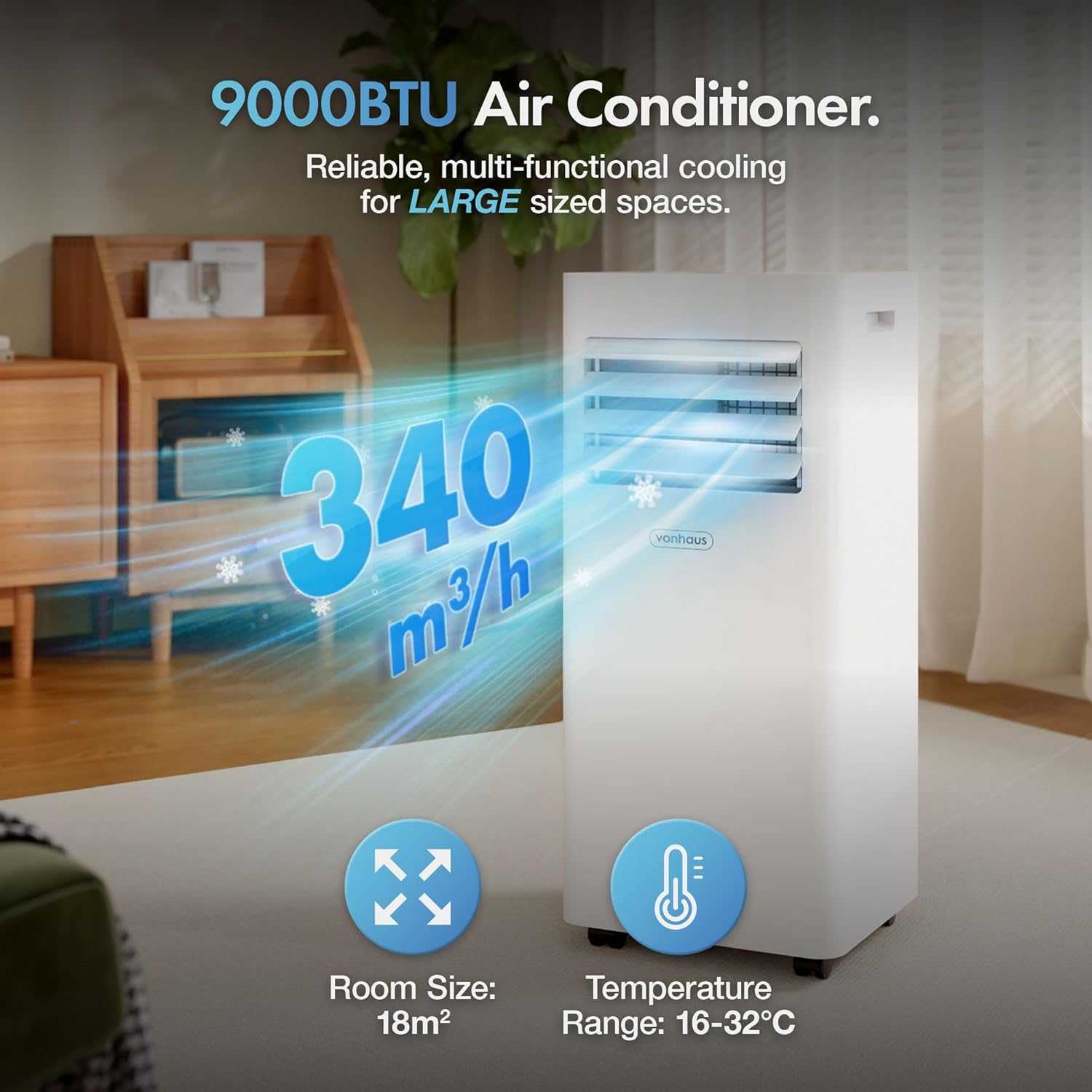
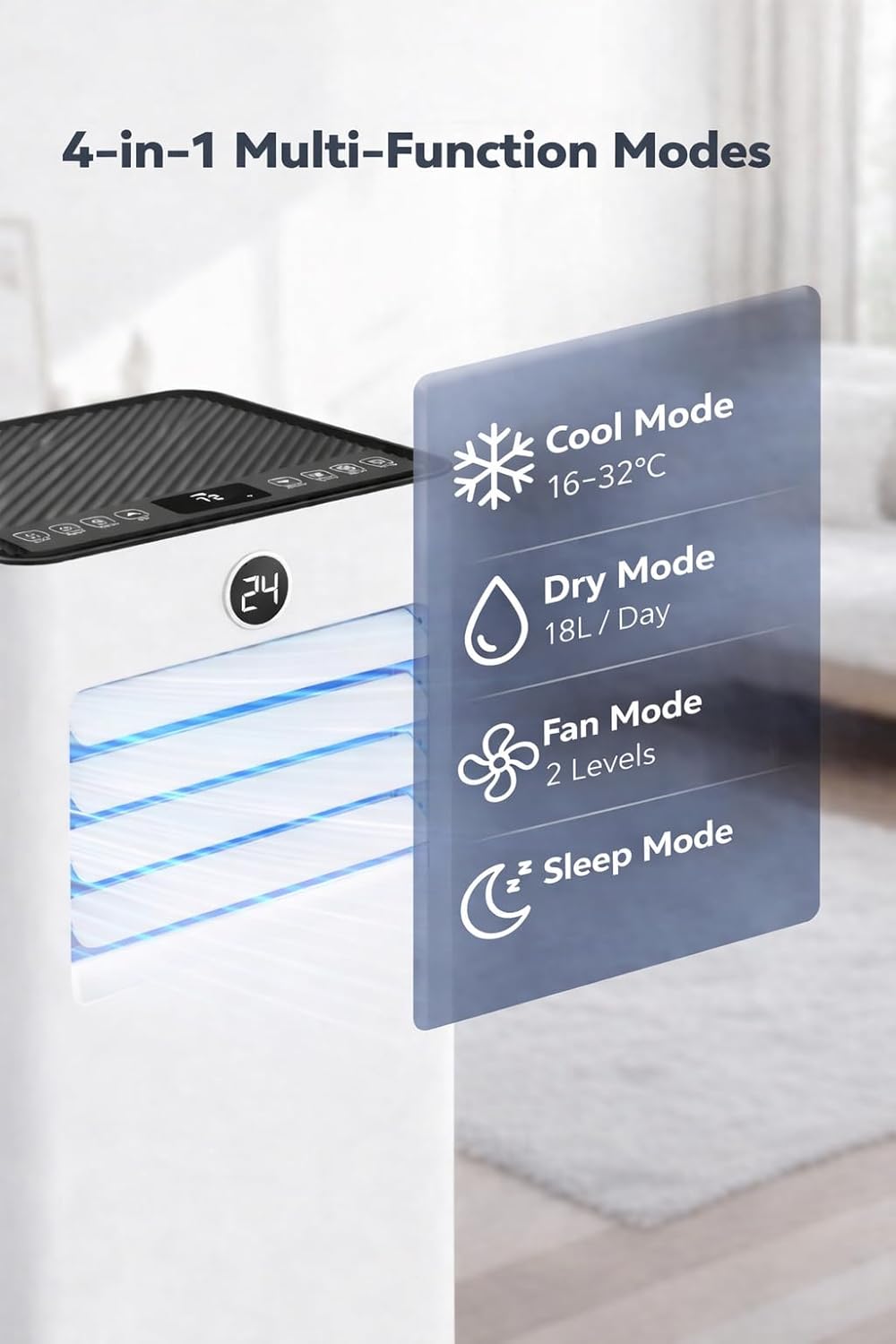
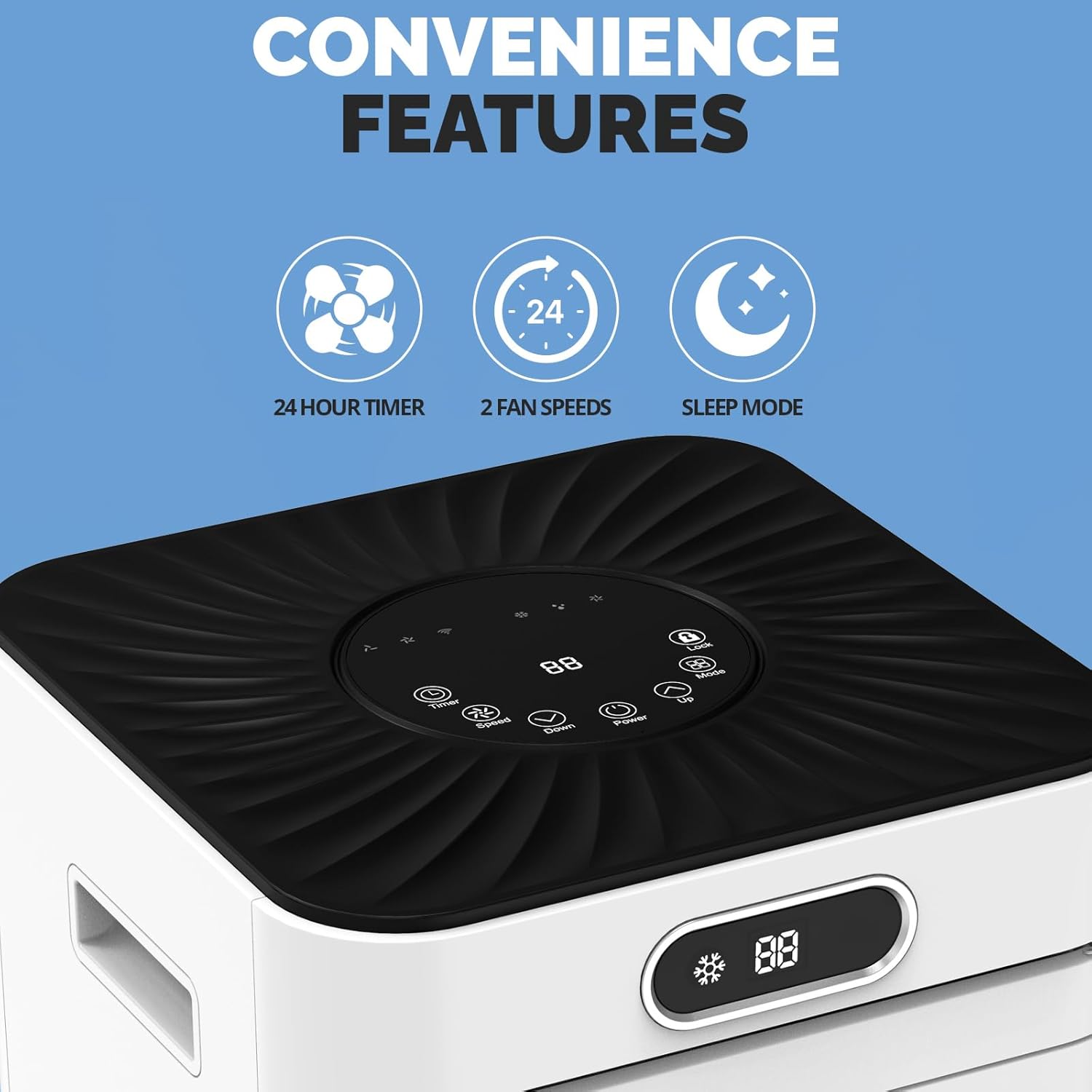
For bedrooms and nurseries, quiet operation and gentle airflow matter more than maximum cooling power. Look for sleep modes that gradually adjust temperature and fan speed, as well as dimmable displays that will not disturb rest. In these spaces, the best portable air conditioners with dehumidifier features often run for many hours, so energy efficiency and noise ratings deserve extra attention. A 9 000 BTU portable AC with a 50 dB night mode can be more suitable here than a louder 12 000 BTU model.
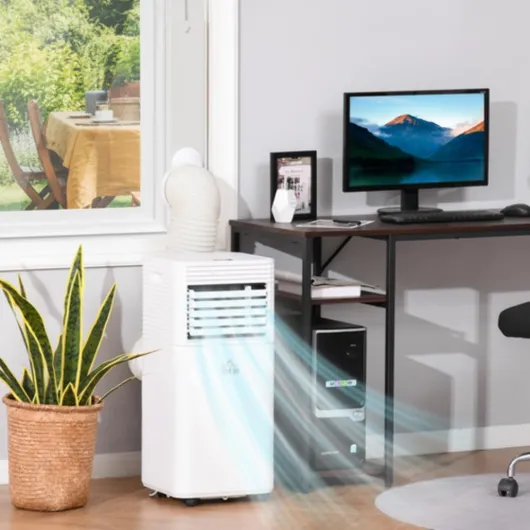
Home offices and gaming rooms generate additional heat from computers and screens. Here, a slightly higher cooling capacity and precise temperature control can keep both people and electronics comfortable. The best portable air conditioners with dehumidifier models for this use case usually offer fine temperature increments and stable humidity control to protect sensitive equipment. Maintaining relative humidity around 45 to 55 percent can also help reduce static electricity and keep keyboards and consoles feeling less clammy.
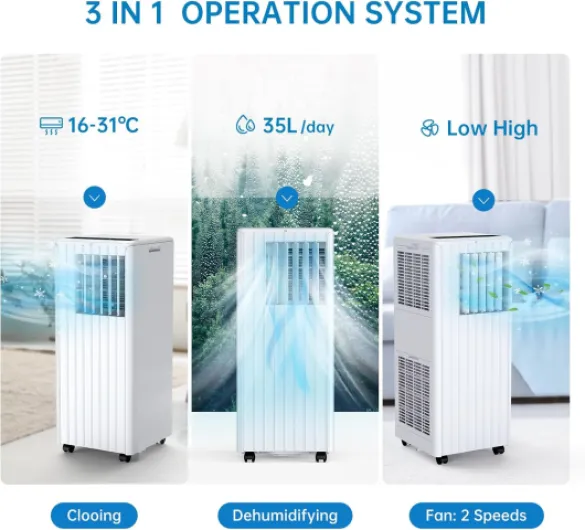
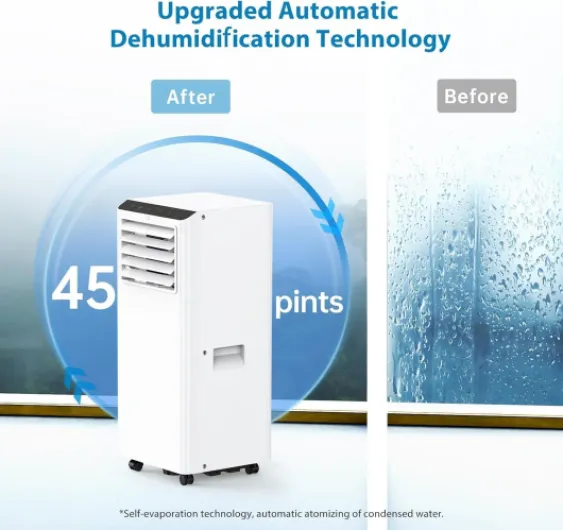
Basements and ground floor rooms often struggle with dampness even when temperatures are moderate. In such spaces, you may run the unit primarily in dehumidifier mode to prevent mould and musty odours. The best portable air conditioners with dehumidifier systems for basements emphasise strong moisture removal, robust drainage options, and corrosion resistant components. A unit rated for 20 to 30 litres per day with continuous drain is usually more effective here than a smaller portable AC with only a modest dehumidify setting.
For renters or people who move frequently, portability and flexible installation become key. Choose units with sturdy wheels, compact footprints, and adaptable window kits that fit several window types. When you align these practical details with performance, the best portable air conditioners with dehumidifier choices will feel like tailored tools rather than generic appliances. A portable AC with dehumidifier that you can roll from a living room to a bedroom in minutes often delivers more value than a heavier, harder to move model with similar BTU ratings.
When a portable air conditioner with dehumidifier is the right choice versus other cooling options
Portable air conditioners with dehumidifier functions sit between simple fans and permanent split systems. They offer more cooling and humidity control than fans, while avoiding the installation complexity of fixed air conditioning. Understanding where the best portable air conditioners with dehumidifier options excel helps you avoid over or under investing and clarifies when a different solution might be better.
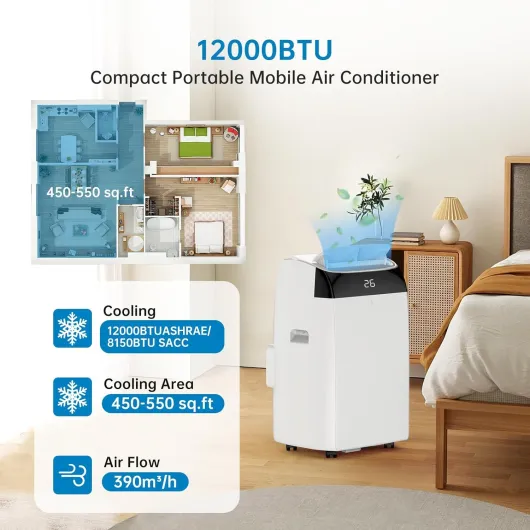
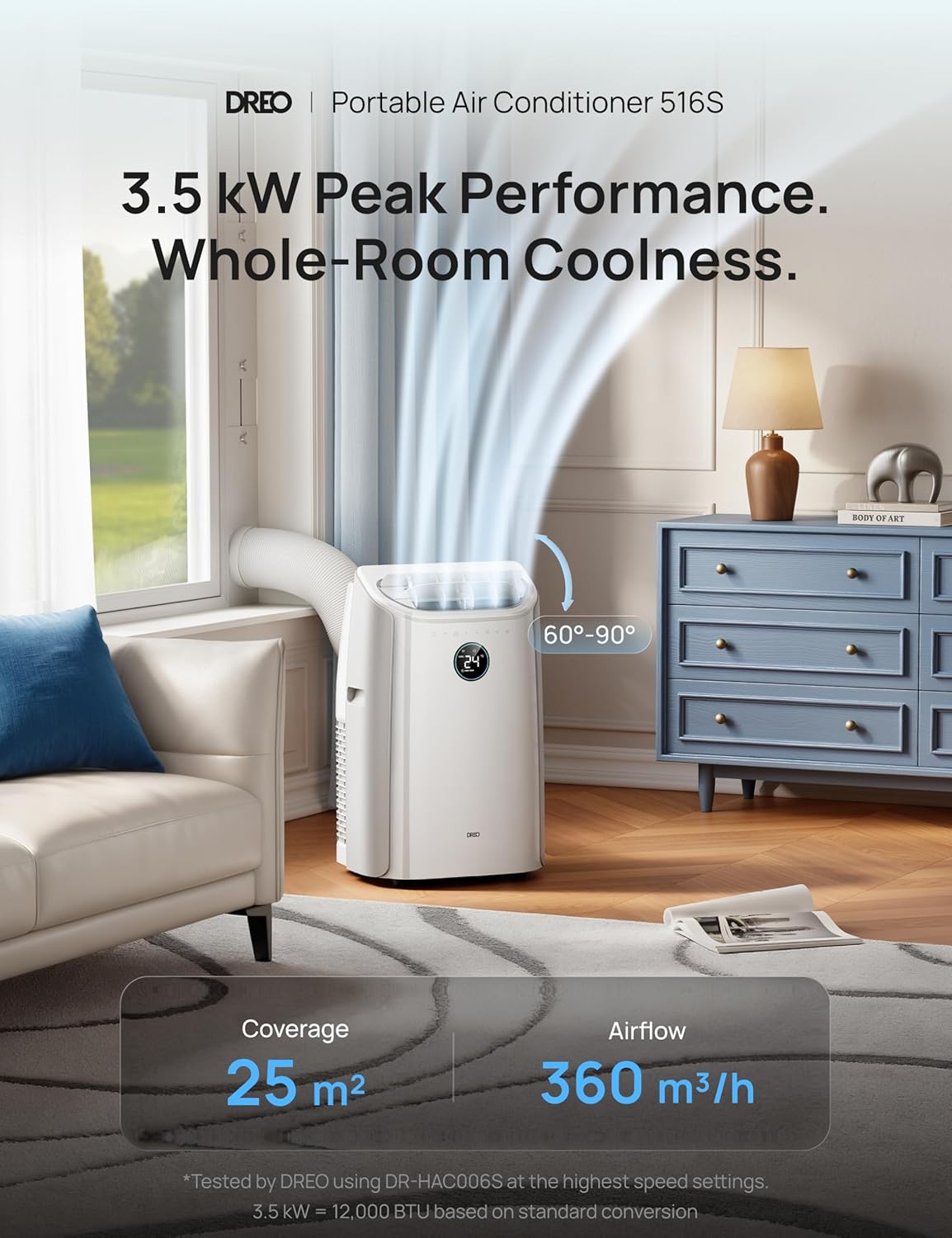
If you live in a rental property where you cannot install a wall mounted unit, a portable model is often the most realistic way to achieve strong cooling. It vents through a window kit without drilling into walls, and you can take it with you when you move. In this context, the best portable air conditioners with dehumidifier features provide both flexibility and respectable performance. Many tenants use a single 10 000 to 12 000 BTU portable AC with dehumidifier to handle the main living area and then roll it into a bedroom at night.
For homeowners, the decision often depends on how many rooms need cooling. If you only struggle with one or two spaces during heatwaves, a portable unit can be more economical than extending ductwork or installing multiple split systems. The best portable air conditioners with dehumidifier designs shine as targeted solutions for problem rooms, rather than whole house systems. They are particularly useful in loft conversions, garden offices, or sunrooms that are difficult to connect to existing central cooling.
There are situations where a dedicated dehumidifier or a full split system makes more sense. Extremely humid basements that rarely get hot may benefit more from a specialised dehumidifier with higher moisture removal capacity, sometimes 30 to 40 litres per day or more. Conversely, large open plan homes in very hot climates often justify the investment in central or multi split air conditioning instead of relying solely on even the best portable air conditioners with dehumidifier units, which are usually optimised for single rooms.
Think about your long term plans, building constraints, and typical weather patterns before deciding. When you match the solution to the problem with this level of clarity, the best portable air conditioners with dehumidifier choices become part of a broader comfort strategy rather than an isolated purchase. This perspective also makes it easier to compare a portable AC with dehumidifier against alternatives such as ceiling fans, shading, or improved insulation.
Key figures about portable air conditioners with dehumidifier
- According to the International Energy Agency, air conditioners and electric fans already account for nearly 20 percent of the total electricity used in buildings worldwide, which highlights why choosing energy efficient portable air conditioners with dehumidifier functions can significantly impact household consumption and peak demand.
- Data from the European Commission show that improving the energy efficiency of cooling appliances can reduce household electricity use by up to 30 percent, which means that selecting the best portable air conditioners with dehumidifier models with higher efficiency ratings can deliver noticeable savings over several summers compared with older, less efficient units.
- Studies from national meteorological agencies indicate that the number of heatwave days in many European cities has more than doubled over recent decades, increasing demand for flexible solutions such as portable air conditioners with dehumidifier capabilities that can be deployed quickly in different rooms without major building work.
- Indoor air quality research from public health institutions suggests that maintaining relative humidity between 40 and 60 percent can reduce the growth of mould and dust mites, which underlines the value of using portable air conditioners with dehumidifier modes to stabilise humidity in bedrooms and basements and support a healthier indoor environment.